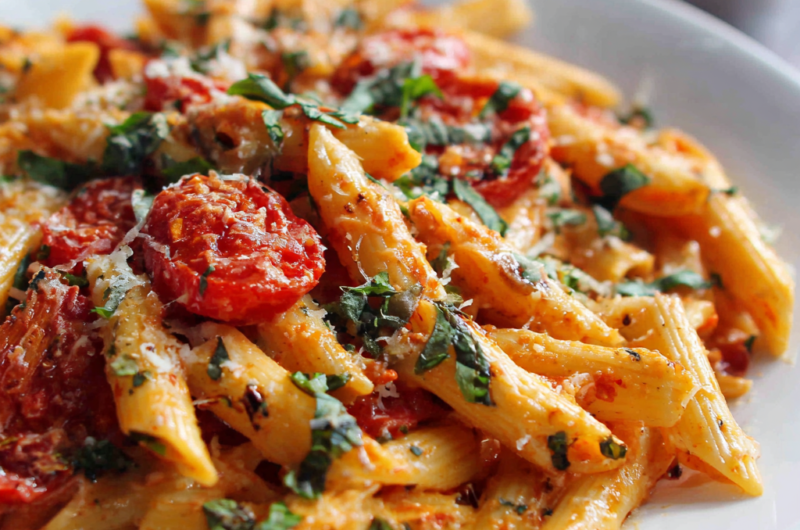
A velvety, 30-minute pasta that lets peak-season tomatoes shine, turning a simple pantry dinner into something luxurious.
📋 In This Article
- Introduction
- Why This Recipe Works: The Science of Fresh Tomatoes
- Ingredients for the Perfect Summer Penne
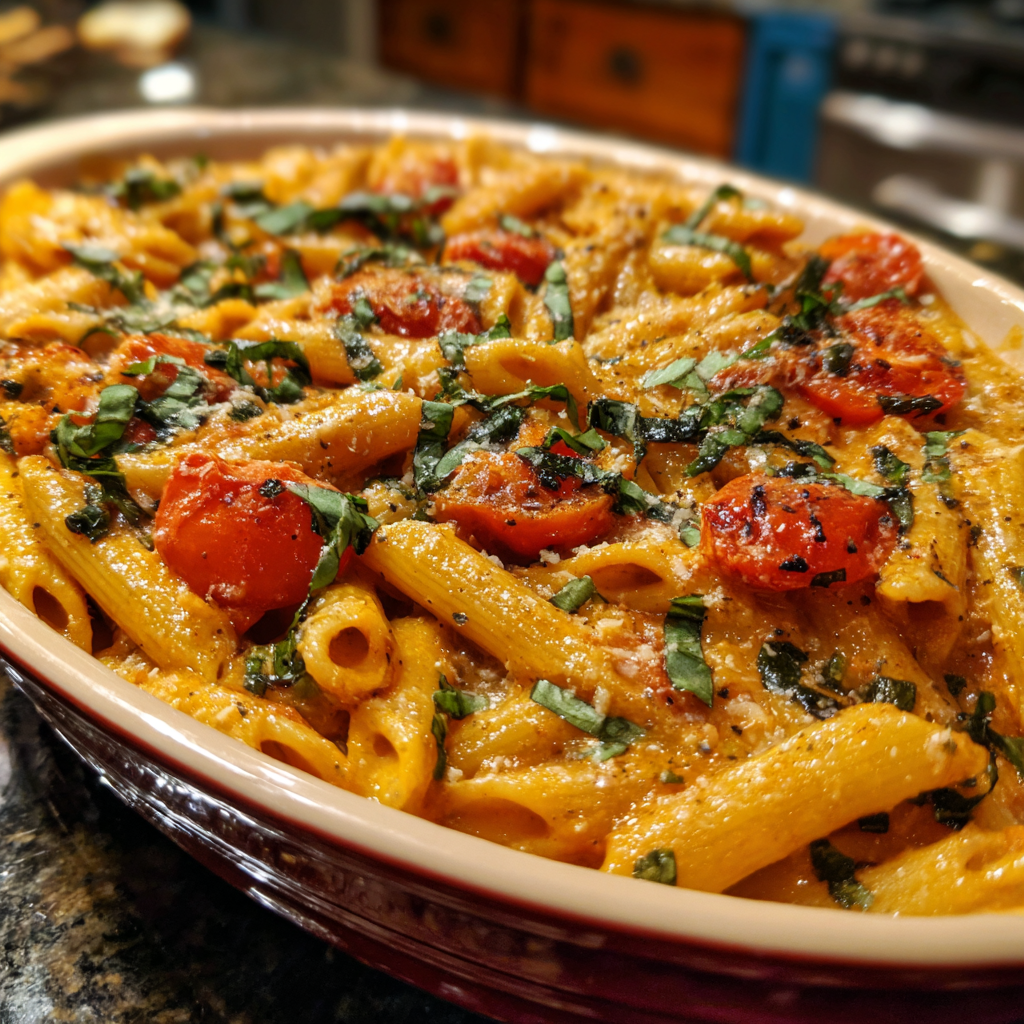
- Step-by-Step Instructions: Crafting Your Creamy Tomato Basil Penne
- Common Mistakes to Avoid
- Delicious Variations & Customizations
- Storage & Reheating Tips
- Pro Tips for the Ultimate Creamy Penne
- Frequently Asked Questions (FAQ)
Introduction
There is a specific window of time in late August when making Rich Creamy Tomato Basil Penne Made With Fresh Summer Garden Tomatoes isn’t just dinner—it’s a requirement. We’re talking about those massive, ugly-beautiful heirlooms or surplus beefsteaks that smell like dirt and sunshine. Most pasta recipes default to canned San Marzanos for consistency, and usually, that’s the right call. But not here. When you have access to peak-season produce, fresh tomatoes offer a sweetness and acidity that no can can replicate. The goal isn’t a long-simmered ragù; it’s a quick, emulsified sauce where the tomato juices barely break down, creating a glossy, velvety coating that clings to every ridge of the pasta. It’s bright, it’s rich, and it disappears fast.
Why This Recipe Works: The Science of Fresh Tomatoes
Cooking with fresh tomatoes is fundamentally different from using canned. Canned tomatoes are usually packed with calcium chloride to keep them firm, which is great for texture but requires long cooking to break down. Fresh garden tomatoes, specifically the vine-ripened garden tomatoes we’re using here, are high in water content and natural pectin. When you heat them, they collapse almost instantly.
The magic in this dish relies on emulsification. We aren’t dumping in heavy cream to mask the flavors. Instead, we create a stable emulsion by vigorously whisking cold unsalted butter and starchy pasta water into the hot tomato juices. The starch in the water acts as a stabilizer, preventing the butterfat from separating and resulting in a creamy, glossy sauce without the heaviness of a dairy-laden alfredo. It’s a technique borrowed from classic French pan sauces, applied here to summer’s best produce.
Ingredients for the Perfect Summer Penne
To pull this off, you need high-quality basics. Don’t skimp on the olive oil or the butter—there are so few ingredients that each one shines.
- 1 lb penne pasta: Look for bronze-die cut pasta; the rougher texture grabs onto the sauce better than smooth commercial varieties.
- 2 tbsp high-quality extra virgin olive oil: Used for the initial sauté, it provides a peppery backbone.
- 1 onion or shallot: Finely minced. Shallots offer a sweeter, more delicate flavor, but a standard yellow onion works beautifully.
- 2 garlic cloves: Thinly sliced. Sliced garlic caramelizes differently than minced, offering sweeter, nuttier notes rather than aggressive heat.
- 3 pints (about 2 1/4 lbs) vine-ripened garden tomatoes: Large, juicy tomatoes cut into quarters. Avoid cherry tomatoes here; they lack the juice volume needed for the sauce base.
- 6 tbsp unsalted butter: Cut into cubes and kept cold. Cold butter emulsifies better than room-temperature butter.
- 1/2 cup heavy cream (optional): Add this if you want an extra-luxurious texture, though the butter emulsion is usually sufficient.
- Salt and black pepper: Essential for seasoning. Taste your tomatoes before cooking—if they are very sweet, you may need slightly more salt.
- A large handful of fresh basil leaves: Torn by hand, not chopped with a knife, to prevent bruising and oxidation.
- Grated Parmesan cheese: For serving. Use a block and grate it yourself; pre-shredded cheese contains anti-caking agents that prevent it from melting smoothly.
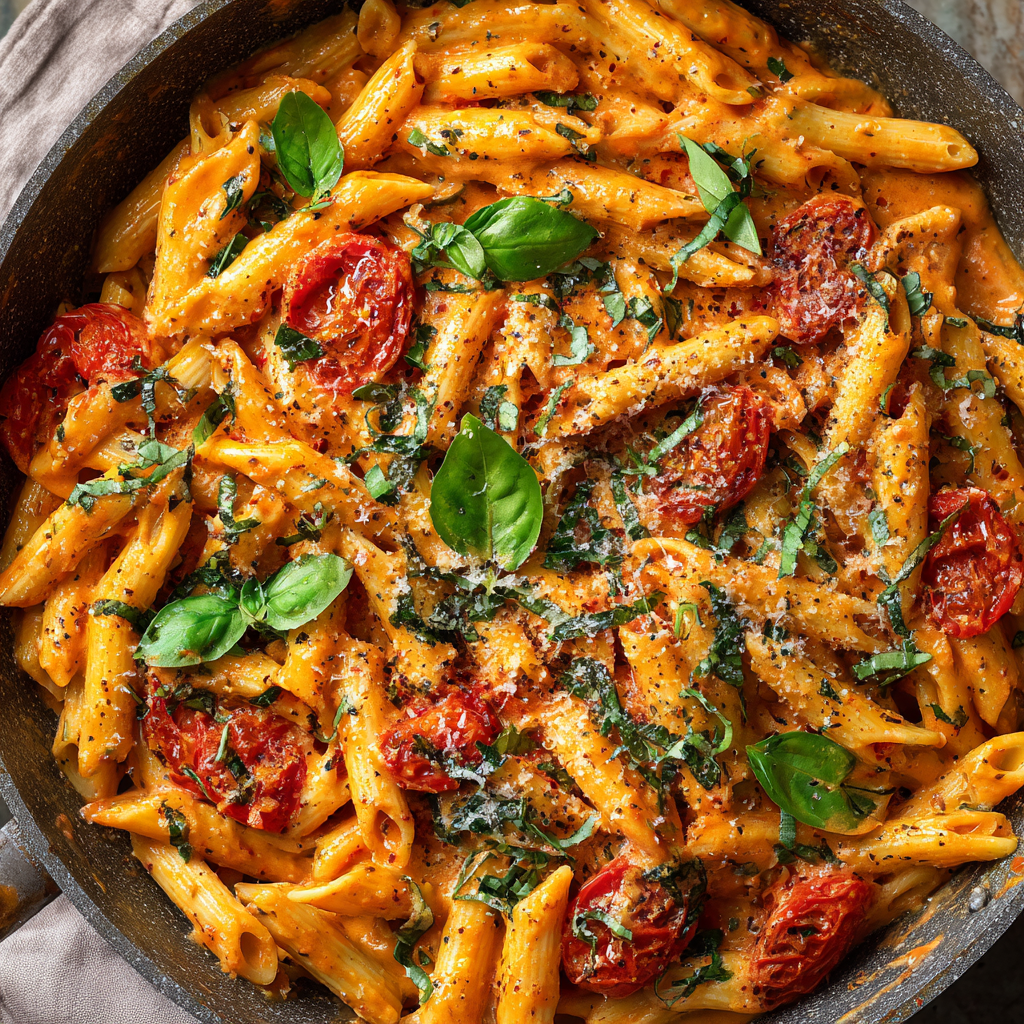
Step-by-Step Instructions: Crafting Your Creamy Tomato Basil Penne
- Cook the Pasta: Bring a large pot of water to a rolling boil. Season it generously with salt until it tastes like the ocean. Add the penne pasta and cook until al dente. Before draining, reserve at least 1 cup of the starchy pasta water. This is your insurance policy for a silky sauce.
- Sauté the Aromatics: While the pasta cooks, heat the olive oil in a large, wide skillet over medium heat. Add the minced onion (or shallot) and a pinch of salt. Sauté until translucent, about 4-5 minutes. Add the sliced garlic and cook for another minute until fragrant. Watch the heat closely—if the garlic browns, it turns bitter.
- Simmer Tomatoes: Add the quartered fresh summer garden tomatoes to the skillet. Increase the heat slightly. As they heat up, use a wooden spoon to press them gently, encouraging them to release their juices. Let this mixture simmer vigorously for 8-10 minutes. You want the tomatoes to soften and create a saucy base, but still retain some texture.
- Reduce and Concentrate: If the tomatoes were particularly watery, let the sauce simmer an additional 2-3 minutes to concentrate the flavors. You want a balance between saucy and stewy.
- Emulsify the Sauce: Reduce the heat to low. Transfer the drained pasta directly into the skillet with the tomatoes. Add about 1/4 cup of the reserved pasta water. Toss vigorously. The agitation helps the starch from the water mingle with the tomato juices.
- Finish with Butter: Remove the skillet from the heat entirely. This is crucial. Add the cold cubes of unsalted butter and the heavy cream (if using) to the pasta. Toss constantly. The residual heat will melt the butter, and the tossing creates a creamy, emulsified coating. If the sauce looks too tight, add more pasta water a splash at a time.
- Season and Serve: Stir in half of the fresh basil. Taste. Does it need more salt? Probably. Add black pepper to taste. Serve immediately, topped with the remaining basil and a generous dusting of Parmesan cheese.
⚠️ Common Mistakes to Avoid
Even simple recipes can go wrong. Here is where most home cooks stumble:
- Under-seasoning the pasta water: If your water isn’t salty enough, the pasta itself will be bland, and no amount of sauce can fix that. The sauce slides off unseasoned pasta, leaving you with a disjointed dish.
- Burning the garlic: Garlic has a low burn point. If your heat is too high when you add it, you’ll get a harsh, acrid flavor. Keep the heat moderate and pay attention.
- Over-reducing the sauce: You want the tomato juices to concentrate, but if you cook them down to a paste, you lose the fresh, bright summer character. It should look saucy, not dry.
- Adding butter over high heat: If you add butter while the pan is still on the flame, the butter will simply melt into oil and separate. Taking the pan off the heat allows for a stable, creamy emulsion. The first time I skipped this step, the sauce broke completely—don’t make my mistake.
Delicious Variations & Customizations
This recipe is a template. Once you master the technique, feel free to riff on it.
- Spicy Kick: Add a pinch of red pepper flakes along with the garlic for a subtle heat that cuts through the richness.
- Protein Boost: Toss in grilled shrimp or shredded rotisserie chicken at the very end. The creamy tomato base pairs perfectly with poultry and seafood.
- Veggie Volume: Wilt in fresh spinach or add ribbons of zucchini along with the tomatoes for extra vegetables.
- Cheese Swap: While Parmesan is classic, small balls of fresh mozzarella (bocconcini) added right before serving create delightful, melty pockets.
Storage & Reheating Tips
Pasta dishes with cream or butter-based sauces are best eaten immediately. However, leftovers happen.
- Refrigeration: Store leftovers in an airtight container for up to 3-4 days. The sauce will absorb into the pasta and thicken considerably.
- Reheating: Reheat gently. Place the pasta in a skillet over low heat with a splash of water or broth. Toss constantly to revive the sauce. Avoid high heat or the microwave, which can cause the emulsion to break and leave you with a greasy texture.
💡 Pro Tips for the Ultimate Creamy Penne
- Save the Starch: The most critical ingredient isn’t listed in the shopping list: it’s the pasta water. That cloudy liquid is full of starch, which acts as a thickener and binding agent. It is the secret to restaurant-quality texture.
- Salt Early: If your tomatoes are slightly under-ripe, sprinkle them with salt after you cut them. Let them sit for 10 minutes. This process, osmosis, draws out moisture and concentrates the flavor before they even hit the pan.
- Use a Wide Pan: A wide skillet offers more surface area for evaporation, helping the sauce reduce faster and preserving the fresh tomato flavor better than a deep pot.
Frequently Asked Questions (FAQ)
+Can I use canned tomatoes instead of fresh?
You can, but the flavor profile changes significantly. Canned tomatoes are picked at peak ripeness but lack the fresh, bright acidity of summer garden tomatoes. If you must use canned, opt for whole peeled tomatoes and crush them by hand, and reduce the simmering time slightly.
+Why is my sauce watery?
This usually happens if the tomatoes weren’t reduced enough or if you skipped the pasta water step. The starch in pasta water is essential for thickening the sauce. Simmering the tomatoes longer to evaporate excess water before adding the pasta also helps prevent a soupy consistency.
+How do I keep the basil from turning black?
Basil oxidizes quickly when cut. Tear the leaves by hand rather than chopping them with a knife, and add them at the very end, off the heat. This preserves their vibrant green color and aromatic oils.
+Can I make this recipe vegan?
Yes. Substitute the butter with a high-quality vegan butter stick (not tub margarine) and use a vegan Parmesan alternative. Nutritional yeast is also a great addition for a cheesy, umami flavor without dairy.
+What sides go well with this pasta?
This dish is rich and comforting, so it pairs well with something crisp and acidic. A simple arugula salad with lemon vinaigrette or a slice of crusty garlic bread is perfect for soaking up the extra sauce.
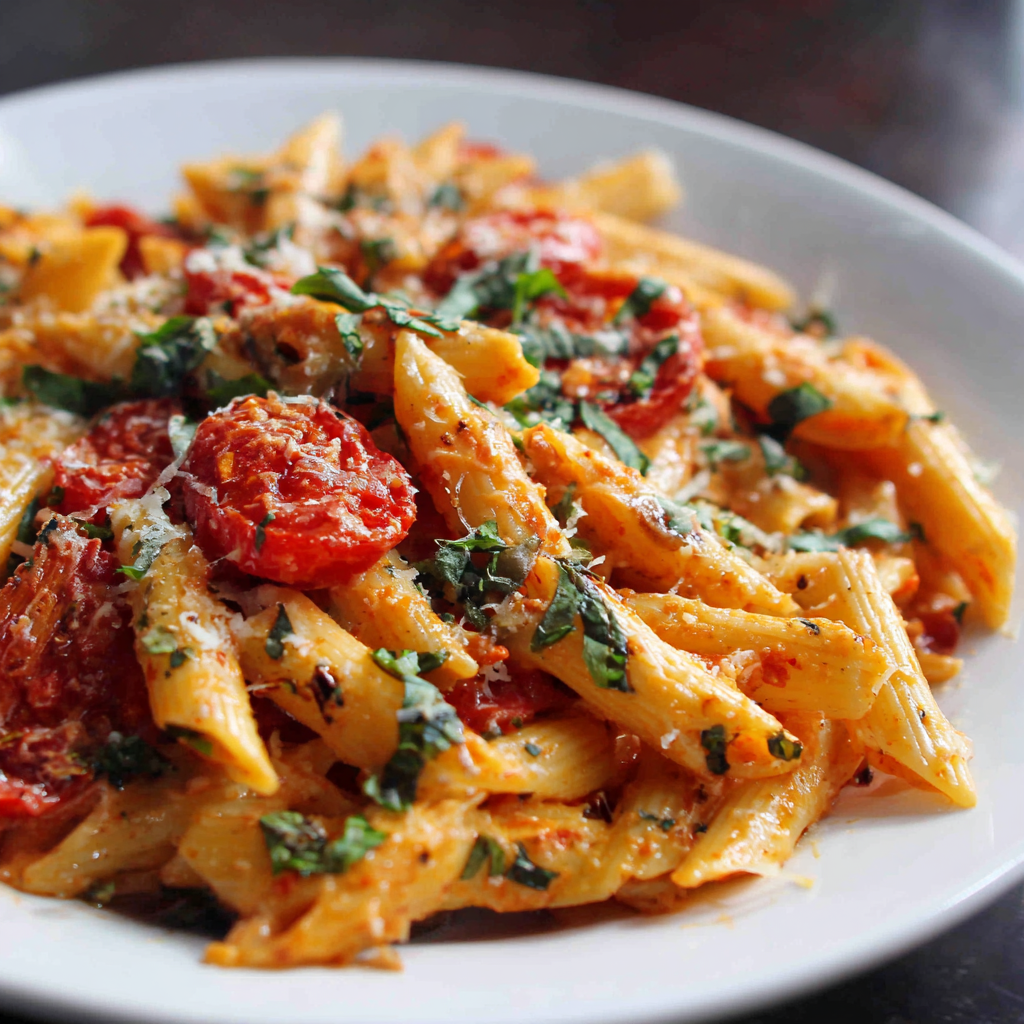
Juicy Penne Pasta With Cherry Tomatoes And Basil
Ingredients
Method
- Bring a large pot of salted water to a boil. Cook the pasta according to the package instructions. Do not drain.
- Meanwhile, halve the cherry tomatoes; set aside.
- In a large skillet, warm the olive oil and garlic over medium-low heat. Cook the garlic for only 30 seconds.
- Add the tomatoes. Season with salt and pepper. Simmer, stirring occasionally, until the tomatoes collapse and release their juice, about 5-7 minutes. Then add the cold butter.
- Continue to cook until the sauce thickens (I use this time to thinly slice the basil into ribbons). Add a handful of ground Parmesan cheese to taste, and stir will to combine.
- With a fine mesh strainer, scoop out the pasta and add it directly to the pan. It’s OK if some of the water clings to the pasta. Stir well to coat. Note: if the sauce is too thick, add a splash of the pasta cooking water to loosen the texture.
- Add the basil.
- Taste, and season with more salt and pepper if needed.
- Portion the penne pasta into bowls. Garnish with extra Parmesan cheese, black pepper and a drizzle of olive oil to serve.
Nutrition
Notes
- To ensure your cherry tomatoes burst perfectly, keep the heat on medium-low and stir gently to avoid burning the garlic.
- If your sauce becomes too thick, don't hesitate to add a splash of the reserved pasta cooking water; it helps achieve a silky texture.
- For added protein, consider tossing in cooked chicken, shrimp, or sausage just before serving to make it a heartier meal.
- Store any leftovers in an airtight container in the fridge for up to 3-4 days; when reheating, add a little water or olive oil to keep the pasta moist.
- Feel free to substitute penne with any short pasta shape like rigatoni or ziti; they will hold the sauce just as well.