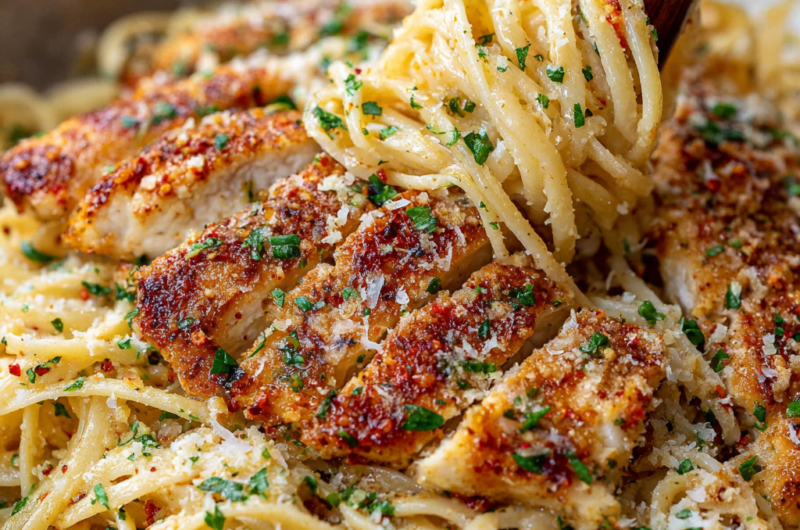
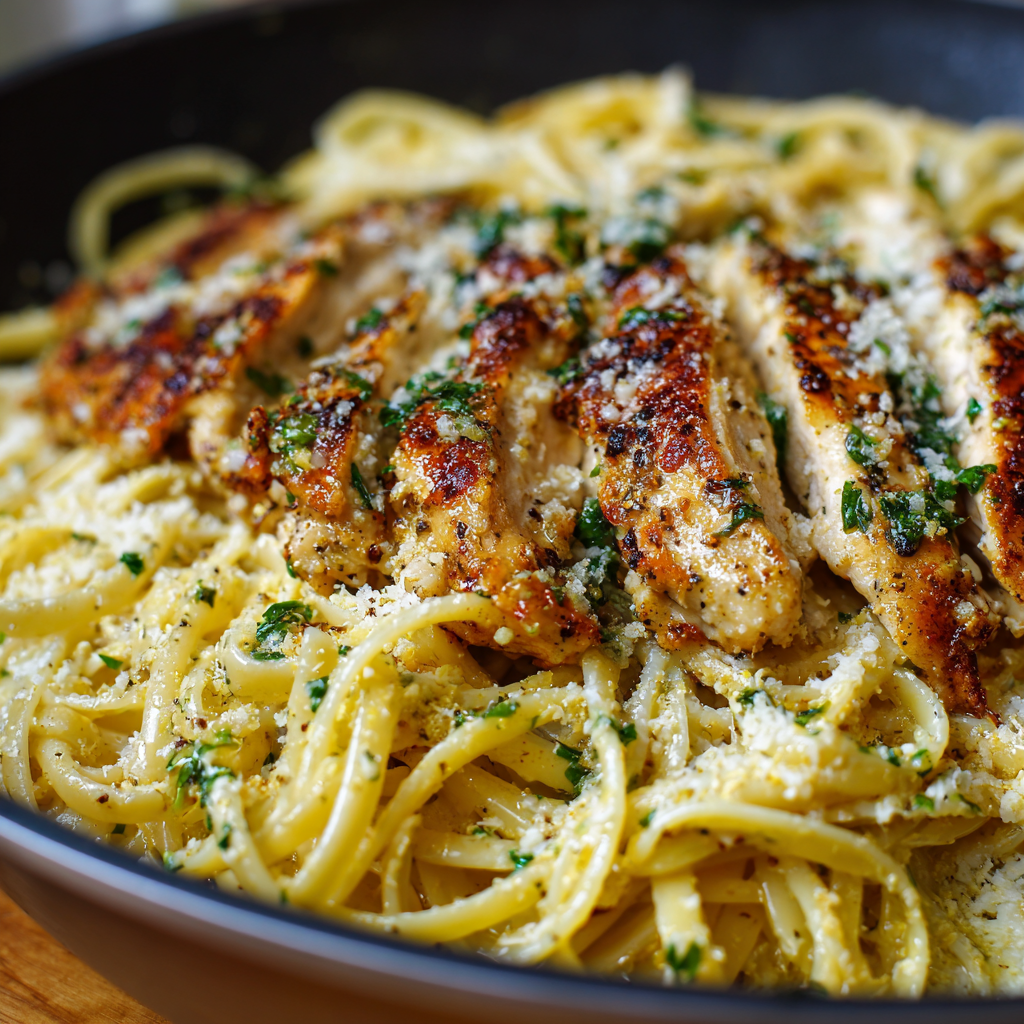
Creamy Garlic Parmesan Chicken Linguine That Rivals Any Restaurant
Golden seared chicken swimming in a velvety, garlic-parmesan sauce. It’s the kind of comfort food that feels fancy but comes together in under 30 minutes.
📋 In This Article
Introduction
There’s a specific kind of satisfaction that comes from nailing a pasta dish at home that tastes like it came from a trattoria. Creamy Garlic Parmesan Chicken Linguine hits that sweet spot between weeknight practicality and weekend indulgence. It’s rich, savory, and deeply comforting, but it doesn’t require hours of simmering. The secret isn’t in obscure ingredients; it’s in the technique—specifically, how you treat the chicken and how you build the sauce from the pan drippings.
Why This Recipe Works (The Secret Sauce)
Most home cooks make the mistake of dumping cream and cheese into a clean pan. That’s leaving flavor on the table. Literally. This recipe relies on fond—those sticky, browned bits left behind after searing the chicken. They are pure concentrated savoriness. By deglazing the pan, we dissolve that fond back into the sauce.
Then there’s the emulsification. Fat and water don’t like each other. The starch in the pasta water acts as a stabilizer, forcing the heavy cream and melted cheese to play nice. The result? A sauce that coats the tongue with a velvety texture rather than separating into an oily mess.
Essential Ingredients
To create a Creamy Garlic Parmesan Chicken Linguine that stands up to restaurant standards, ingredient quality matters more than fancy technique.
- Linguine Pasta: 12 oz. Dried pasta works best here; the rough surface texture grabs onto the sauce better than fresh.
- Chicken: 1.5 lbs boneless, skinless chicken breasts. Pounded to an even thickness so they cook uniformly without drying out.
- Parmesan Cheese: 1 cup freshly grated Parmigiano-Reggiano. Do not buy the pre-shredded stuff in the green canister. It contains cellulose anti-caking agents that prevent it from melting smoothly, leaving you with a grainy sauce.
- Heavy Cream: 1 cup full-fat. This provides the necessary body for the sauce.
- Garlic: 4 cloves, minced. Fresh is non-negotiable for aromatic punch.
- Liquid: 1 cup low-sodium chicken broth and a splash of dry white wine for deglazing.
- Seasoning: Salt, black pepper, and a lemon wedge. Acid is the secret weapon to cut through the richness.
Step-by-Step Instructions
Step 1: Cook the Linguine
Bring a large pot of salted water to a boil. It should taste like a seasoned soup. Add the linguine and cook until just shy of al dente (about 1 minute less than the package instructions). Before draining, reserve at least 1 cup of the starchy pasta water. This liquid is liquid gold for adjusting sauce consistency later.
Step 2: Sear the Chicken
Pat the chicken dry and season generously with salt and pepper. Heat 2 tablespoons of olive oil in a large skillet over medium-high heat. Once the oil shimmers, add the chicken.
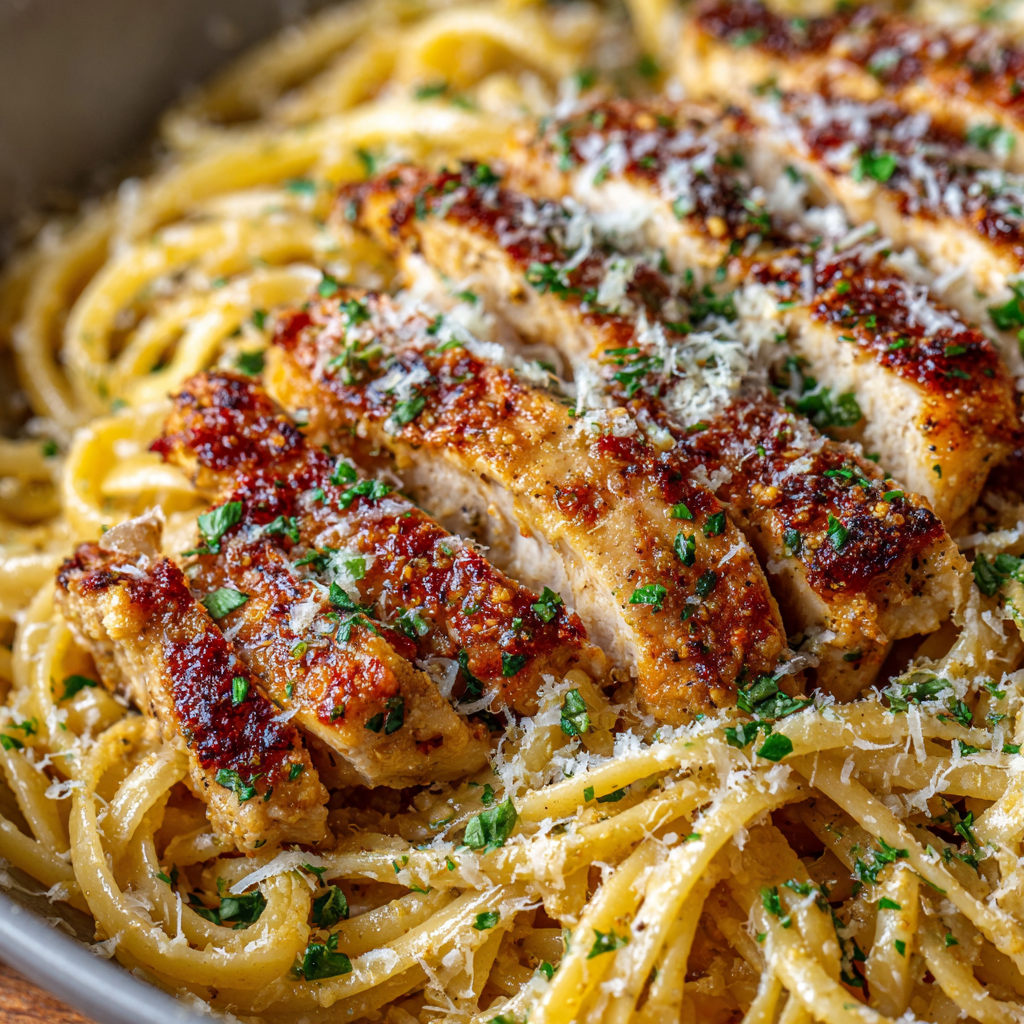
Here’s the science: Searing doesn’t “lock in juices”—that’s a myth. It triggers the Maillard reaction, creating hundreds of new flavor compounds on the surface. Cook for 5-7 minutes per side until golden brown and the internal temperature reaches 165°F. Remove and let it rest on a cutting board. Resting allows the muscle fibers to relax and reabsorb juices; slice too early, and you lose that moisture onto the board.
Step 3: Bloom the Garlic
Reduce the heat to medium. In the same skillet, add the minced garlic. Sauté for about 1 minute until fragrant. Watch it like a hawk—garlic goes from golden to burnt in seconds, and burnt garlic is bitter.
Step 4: Deglaze and Build the Sauce
Pour in a splash of white wine (or broth) to deglaze, scraping up the browned bits with a wooden spoon. Let it reduce by half.
Lower the heat to low. Pour in the heavy cream and stir. Gradually add the grated Parmesan, whisking constantly until melted. If the heat is too high, the dairy proteins will tighten, and the sauce will break.
Step 5: Marry the Pasta and Sauce
Toss the drained linguine directly into the skillet. Add the sliced chicken back in. Use tongs to toss everything vigorously. If the sauce looks too thick, add a splash of the reserved pasta water. The starch in the water helps the sauce emulsify, ensuring every strand is coated in a silky layer of flavor.
Step 6: Serve
Finish with a squeeze of fresh lemon juice and a sprinkle of parsley. The acid brightens the heavy cream and cheese, balancing the dish instantly.
⚠️ Common Mistakes to Avoid
Even a simple dish can go wrong. Here’s what trips people up:
- Overcooked Pasta: Remember, the pasta finishes cooking in the hot sauce. If you cook it to mush in the pot, it won’t hold the sauce.
- Broken Sauce: If your sauce looks curdled, the heat was likely too high when you added the cheese. Keep the heat low and stir constantly.
- Pre-shredded Cheese: I mentioned this before, but it bears repeating. Pre-shredded cheese has anti-caking agents that make the sauce clumpy. Always grate your own.
- Dry Chicken: This usually happens when the breast is uneven. Pound it to an even thickness before cooking so it cooks at the same rate.
Flavorful Variations & Additions
This dish is a blank canvas. You can tweak it without ruining the core concept.
- Add Greens: Wilt a handful of spinach into the sauce at the very end for color and nutrients.
- Spice: Add red pepper flakes when you bloom the garlic for a subtle heat that cuts the cream.
- Protein Swap: Chicken thighs work beautifully if you prefer dark meat. They have more fat, so they stay juicier longer. You could even swap the chicken for shrimp—just adjust the cooking time down significantly.
- Mushrooms: Sauté sliced mushrooms with the garlic for an earthy depth.
Serving Suggestions & Wine Pairings
This pasta is rich. You need sides that provide contrast.
- Side Dish: A crisp green salad with a sharp vinaigrette cuts through the heaviness of the cream. Warm, crusty garlic bread is essential for mopping up leftover sauce.
- Wine: A chilled Chardonnay (oaky if you like it, unoaked if you don’t) mirrors the creamy texture. If you prefer red, go light—a Pinot Noir won’t overpower the garlic and cheese.
Storage & Reheating Tips
Creamy Garlic Parmesan Chicken Linguine can be stored effectively to maintain its delightful texture and rich flavors. For best results, refrigerate your leftovers within two hours of cooking. Store the creamy sauce and linguine separately in airtight containers to prevent the pasta from absorbing too much moisture and becoming soggy. When refrigerating, the dish can last up to 3-5 days. If you want to keep it longer, consider freezing the sauce (up to 3 months) in a vacuum-sealed bag to preserve its creaminess.
When it comes time to reheat, opt for the stovetop method for the best results. Gently warm the sauce over low heat, adding a splash of milk or cream to restore its silky texture. For the pasta, you can reheat it in a pot of boiling water for about 30 seconds or in the microwave with a touch of water to prevent drying out. Always ensure food safety by checking that the internal temperature reaches 165°F before serving. Following these tips will ensure your dish remains as delicious as the day it was made, ready to impress any pasta lover!
💡 Chef’s Pro Tips & Tricks
Chef’s Pro Tips & Tricks for Perfecting Your Dish
To elevate your pasta to restaurant-quality, mastering a few techniques is key.
- Reserve that Pasta Water: I used to dump the pasta water down the drain—huge mistake. That cloudy liquid is full of starch. It’s the difference between a sauce that slides off the noodles and one that clings to them.
- Don’t Move the Chicken: When searing, place the chicken in the pan and don’t touch it for 3 minutes. Moving it around prevents the crust from forming. You want that deep golden color.
- Taste as You Go: A pinch of salt or a dash of lemon juice can make all the difference. Taste the sauce before you serve it. Does it feel heavy? Add acid. Does it need depth? Add salt.
Frequently Asked Questions (FAQ)
+Can I use milk instead of heavy cream?
You can, but the sauce will be much thinner and less luxurious. If you must use milk, add a teaspoon of flour or cornstarch to help thicken it, though it won’t replicate the richness of heavy cream.
+Can I make this gluten-free?
Absolutely. Just swap the wheat linguine for your favorite gluten-free pasta. Note that gluten-free pasta doesn’t release as much starch into the water, so you might need a little cornstarch slurry to thicken the sauce.
+Why did my sauce separate?
Sauces usually break because the heat is too high or the cheese was added too quickly. If this happens, remove the pan from the heat immediately and whisk in a splash of cold water or cream to try and bring the emulsion back together.
+How long does this last in the fridge?
Stored properly in an airtight container, it will keep for 3 to 5 days. Reheat it gently on the stove with a splash of liquid to revive the creamy texture.