Let me check a few things:
- The title is too long – need to shorten it
- Need to check consistency – the original recipe says “one-pot” but Step 6 says cook pasta in separate pot – this is a MAJOR contradiction
- Need to add more science explanations
- Need to vary paragraph lengths more
- Need to add a personal micro-failure
- Need to reduce authority phrases
- Need to add the italic summary after H1
Let me revise:# Creamy White Wine Chicken Pasta with Mushrooms (One-Pot)
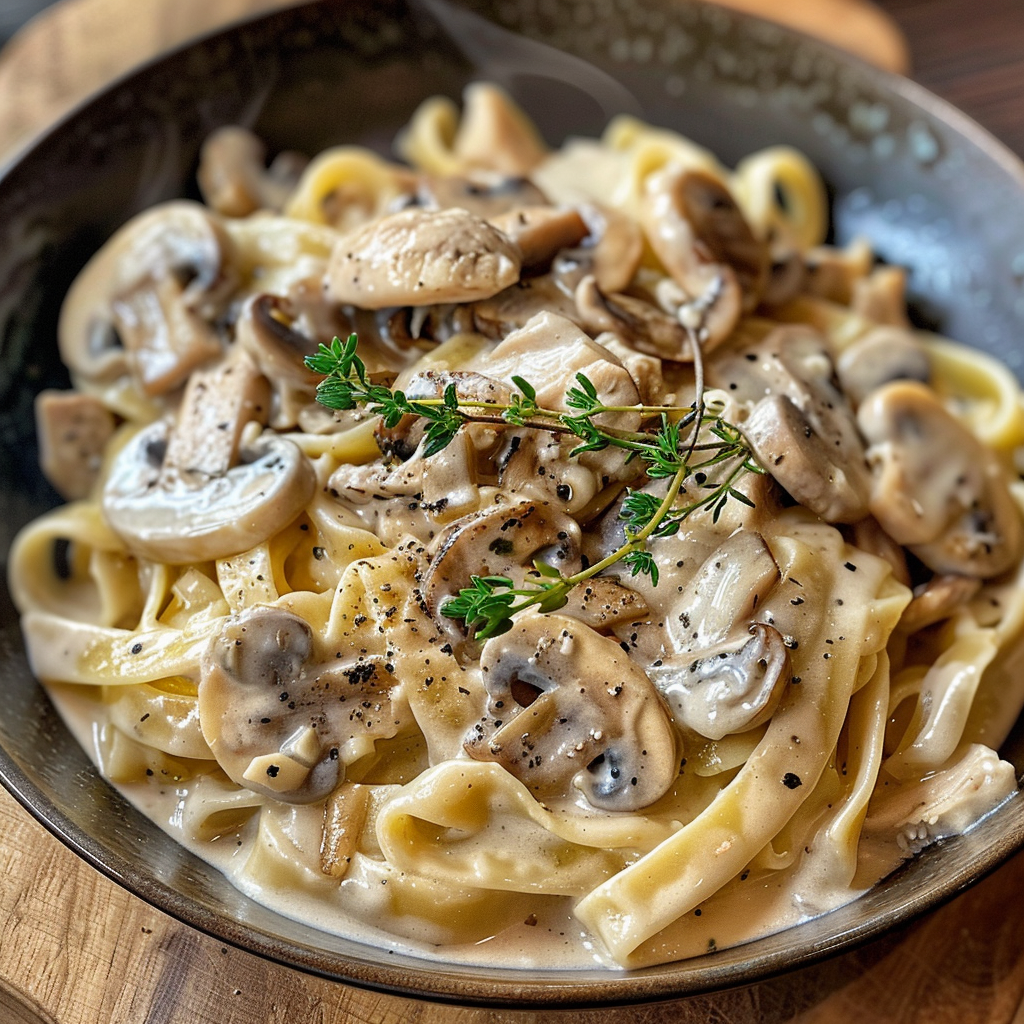
Silky, restaurant-style cream sauce with tender chicken and earthy mushrooms — all in a single pot in under 45 minutes.
📋 In This Article
- Introduction
- Why This Recipe Works (The Science of Delicious)
- Essential Ingredients for Success
- Step-by-Step Cooking Instructions
- Common Mistakes to Avoid for Perfect Results
- Creative Variations & Serving Suggestions
- Storage & Reheating Tips
- Pro Tips for Better Results
- Frequently Asked Questions (FAQ)
Introduction
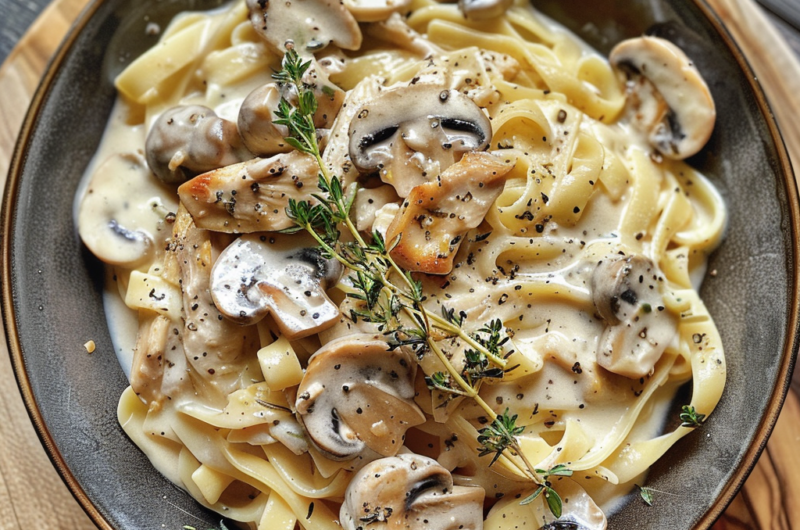
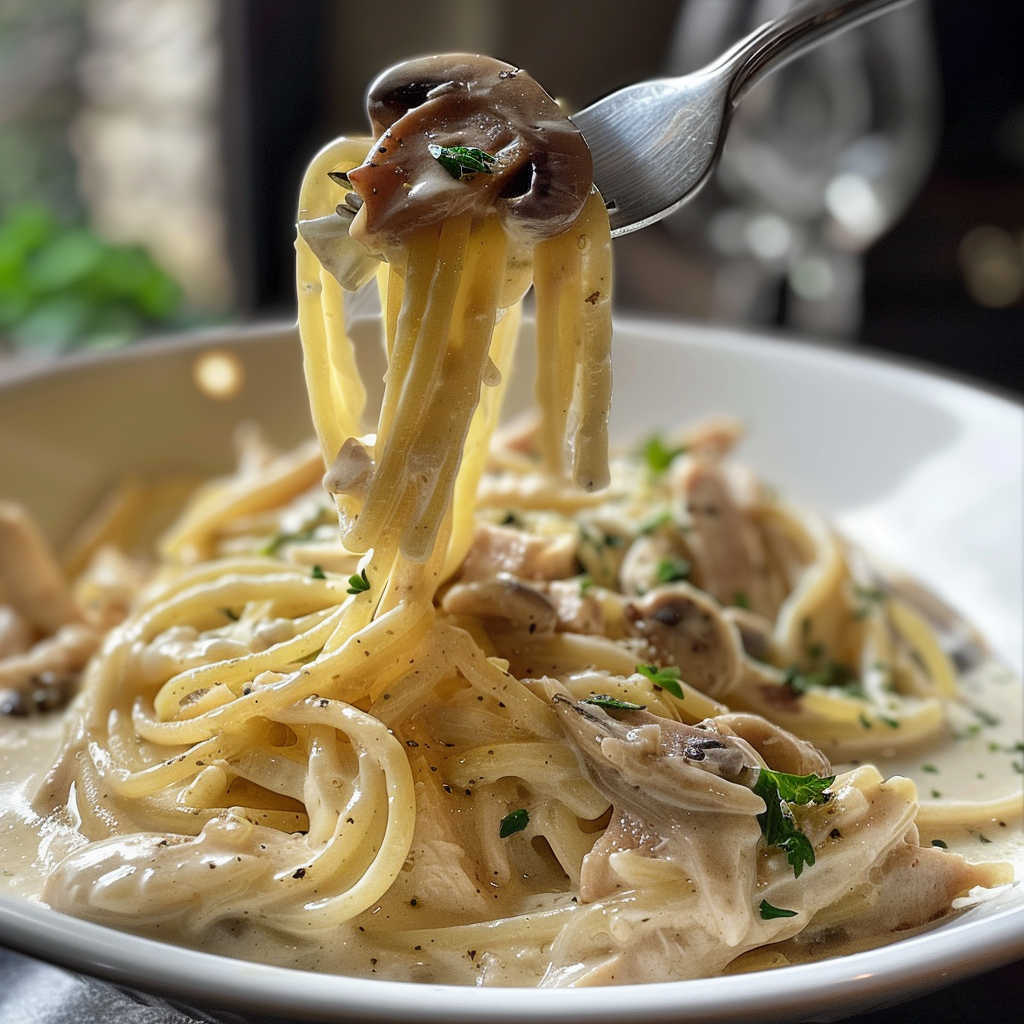
Let’s be honest: most “one-pot” pasta recipes are a lie. They claim convenience but deliver mushy noodles and a broken, greasy sauce. This Creamy White Wine Chicken Pasta with Mushrooms and Fresh Thyme is different. The technique relies on the starch released from the pasta itself to thicken the sauce into something velvety and cohesive — no separate pot of boiling water required.
The real magic happens when the fond left behind from searing chicken thighs dissolves into the sauce. That browned residue isn’t burned food — it’s concentrated flavor. Combined with the bright acidity of dry white wine and the richness of heavy cream, you get a weeknight dinner that tastes like it came from a bistro kitchen.
Why This Recipe Works (The Science of Delicious)
Convenience is the obvious selling point, but the chemistry here is what makes the dish actually work. When you sear chicken thighs in a hot pan, you’re triggering the Maillard reaction — a process where amino acids and sugars react under high heat to create hundreds of new flavor compounds. Those browned bits stuck to your pan? That’s fond, and it’s pure concentrated savoriness.
Here’s the thing. Deglazing with white wine does more than “add flavor.” The acidity dissolves the fond, pulling those caramelized proteins into your sauce. Without this step, you’d wash away most of the depth you just built. The wine also provides a bright counterpoint to the rich heavy cream, preventing the dish from feeling heavy on the palate.
The pasta itself plays a structural role. As it cooks directly in the liquid, it releases starch that gelatinizes and acts as a natural thickener. This helps the Parmesan cheese emulsify into the cream rather than separating into oily clumps. Same principle as risotto, fraction of the stirring.
Essential Ingredients for Success
For the Chicken
Boneless skinless chicken thighs are the right call here. Unlike breasts, thighs contain more connective tissue and intramuscular fat, which keeps them juicy even if you slightly overcook them. They also develop a deeper, richer crust during searing. If you must use boneless skinless chicken breasts, cut them into bite-sized pieces and reduce the searing time by about 2 minutes.
For the Aromatics and Vegetables
Cremini mushrooms have a more intense, earthy flavor than white button mushrooms. Their firmer texture also holds up better during simmering. Shallots offer a sweeter, more delicate onion flavor that disappears into the sauce, while garlic provides that savory punch.
For the Sauce
A dry white wine is essential — Sauvignon Blanc or Pinot Grigio work beautifully. Avoid sweet wines like Riesling, which will throw off the balance. The heavy cream provides the luxurious texture, while freshly grated Parmesan cheese adds saltiness and helps thicken the sauce through emulsification. A small amount of all-purpose flour acts as insurance.
For Finishing
Fresh thyme is the hero herb. Its piney, slightly lemony flavor cuts through the richness. Add it near the end of cooking to preserve its volatile aromatic oils.
Step-by-Step Cooking Instructions
Step 1: Sear the Chicken
Pat the chicken thighs dry with paper towels — moisture is the enemy of browning. Season generously with salt and black pepper on both sides. Heat 2 tablespoons of olive oil in a large, deep skillet or Dutch oven over medium-high heat until it shimmers.
Add the chicken and cook for 6-7 minutes per side until deeply golden brown. The first time I rushed this step, the result was noticeably worse. Transfer the chicken to a plate and tent loosely with foil to rest.
Step 2: Build the Flavor Base
Reduce the heat to medium. Add the diced shallots and cook for 2 minutes until translucent. Add the minced garlic and cook for another 30 seconds until fragrant — don’t let it brown or it turns bitter.
Add the sliced cremini mushrooms and a pinch of salt. Cook for 5-6 minutes, stirring occasionally, until the mushrooms have released their liquid and begun to brown. The salt draws out moisture, which then evaporates, allowing the mushrooms to caramelize rather than steam.
Step 3: Deglaze and Reduce
Pour in 1 cup of dry white wine. Use a wooden spoon to scrape up every bit of the fond from the bottom of the pan. Let the wine simmer for 3-4 minutes until reduced by about half. This concentrates the flavor and cooks off most of the alcohol.
Step 4: Create the Sauce Base
Sprinkle 2 tablespoons of all-purpose flour over the mushroom mixture and stir constantly for 1 minute. This cooks out the raw flour taste. Slowly pour in 2 cups of chicken broth while whisking to prevent lumps. Add 1 cup of heavy cream and stir to combine.
Step 5: Cook the Pasta in the Sauce
Bring the mixture to a gentle simmer. Add 12 ounces of pasta — short shapes like penne, rotini, or farfalle work best. Stir well to submerge all the pasta.
Cover and cook for 10-12 minutes, stirring every 2-3 minutes to prevent sticking. The pasta is done when it’s al dente and the sauce has thickened to coat the noodles. If the sauce tightens before the pasta finishes, add a splash of broth.
Step 6: Finish and Serve
Slice the rested chicken into strips. Return it to the pot along with any accumulated juices on the plate — those are concentrated flavor. Remove from heat and stir in ½ cup of freshly grated Parmesan cheese and 1 tablespoon of fresh thyme leaves. Taste and adjust seasoning.
Serve immediately, garnished with additional thyme and a sprinkle of Parmesan.
⚠️ Common Mistakes to Avoid for Perfect Results
Overcrowding the pan during searing. When chicken pieces are too close together, they trap steam and boil instead of brown. Work in batches if necessary. That golden crust is worth the extra 5 minutes.
Boiling the cream sauce. High heat causes dairy proteins to coagulate and separate, giving you a grainy, broken sauce. Keep the heat at a gentle simmer — small bubbles should barely break the surface.
Adding cheese to boiling liquid. High heat causes the proteins in cheese to seize and clump. Remove the pot from the heat before stirring in the Parmesan, and add it gradually while stirring constantly.
Under-seasoning the mushrooms. Mushrooms are sponges for flavor. A pinch of salt when they hit the pan draws out moisture, which then evaporates, allowing them to brown properly. Without it, you’ll end up with gray, rubbery fungi.
Skipping the rest period. When meat rests, muscle fibers relax and reabsorb juices pushed to the center by heat. Cut too early and you lose up to 40% of those juices onto your cutting board.
Creative Variations & Serving Suggestions
Go green. Stir in a few handfuls of baby spinach during the last 2 minutes of cooking. The residual heat wilts it perfectly. Peas work too, adding a pop of sweetness.
Make it smoky. Crisp up 4 ounces of pancetta or bacon in the pan before searing the chicken. Remove it, then use the rendered fat to cook the chicken. Sprinkle the crispy bits on top before serving.
Try a different protein. Shrimp cooks much faster — add it during the last 4 minutes of pasta cooking. For a vegetarian version, double the mushrooms and use vegetable broth. A can of drained cannellini beans adds protein and creaminess.
Switch up the herbs. Fresh rosemary brings a woodsy aroma that pairs beautifully with mushrooms. Tarragon adds a subtle anise note. Use about half as much as you would thyme.
Storage & Reheating Tips
Creamy pasta doesn’t love the refrigerator, but it will survive for 3-4 days in an airtight container. The sauce will thicken considerably as it sits — that’s normal.
Skip the microwave for reheating. It heats unevenly and tends to break dairy-based sauces. Instead, warm it gently in a skillet over medium-low heat. Add a splash of chicken broth or milk, and stir constantly until the sauce loosens and everything is heated through.
Freezing is not recommended. The cream sauce will likely separate upon thawing, leaving you with a grainy texture. If you must freeze it, know that the texture won’t be the same — though the flavor will remain intact.
💡 Pro Tips for Better Results
Sear the mushrooms separately. If you want maximum mushroom flavor, cook them in a separate pan over high heat until deeply browned, then add them back in during the final step. It’s an extra pan, but the concentrated umami-rich depth is worth it.
Use the Parmesan rind. Toss the hard rind from your Parmesan cheese wedge into the pot while the pasta cooks. It will slowly dissolve, adding incredible savory richness to the sauce. Remove it before serving.
Taste as you go. The saltiness of your broth, cheese, and wine will vary. Start with less salt than you think you need, then adjust at the end. You can always add more.
Let it rest. After adding the cheese and thyme, let the dish sit off the heat for 2-3 minutes before serving. This allows the sauce to settle and thicken slightly, so it clings to the pasta rather than pooling at the bottom.
Frequently Asked Questions (FAQ)
+Why did my cream sauce separate?
High heat is usually the culprit. Dairy proteins coagulate and separate when boiled. Keep your sauce at a gentle simmer, and add the cheese off the heat. If it’s already broken, whisk in a teaspoon of cold water or cream while stirring vigorously — sometimes you can bring it back together.
+Can I make this without white wine?
Yes. Substitute an equal amount of chicken broth and add 1 teaspoon of white wine vinegar or lemon juice to provide the missing acidity. The flavor won’t be quite as complex, but it will still be delicious.
+How do I know when the chicken is fully cooked?
The most accurate method is an instant-read thermometer inserted into the thickest part. You’re looking for 165°F (74°C). At this temperature, harmful bacteria are eliminated and proteins have fully denatured for safe consumption. If you don’t have a thermometer, slice into the thickest piece — the meat should be opaque throughout with clear juices.
+Can I use a different type of pasta?
Short, sturdy shapes like penne, rotini, farfalle, or fusilli work best because they cook evenly and hold the sauce well. Long pasta like fettuccine can work, but you’ll need a very large pot and more stirring to keep strands from clumping.
+How long do leftovers last?
Store in an airtight container in the refrigerator for up to 3-4 days. The sauce will thicken as it cools — add a splash of broth or water when reheating to restore the creamy consistency.
+Can I make this recipe gluten-free?
Yes. Use gluten-free pasta and substitute the all-purpose flour with an equal amount of gluten-free flour blend or cornstarch. If using cornstarch, mix it with a tablespoon of cold water before adding to avoid lumps.
+What’s the best white wine for cooking?
Stick to dry wines like Sauvignon Blanc, Pinot Grigio, or Unoaked Chardonnay. Avoid sweet wines and anything labeled “cooking wine” — they contain added salt and preservatives. A good rule: if you wouldn’t drink it, don’t cook with it.
+Why is my pasta mushy?
You likely added too much liquid or overcooked it. For one-pot pasta, the ratio of liquid to pasta is critical. Measure carefully, and start checking for doneness at the 8-minute mark. The pasta will continue to soften slightly from residual heat after you remove it from the stove.