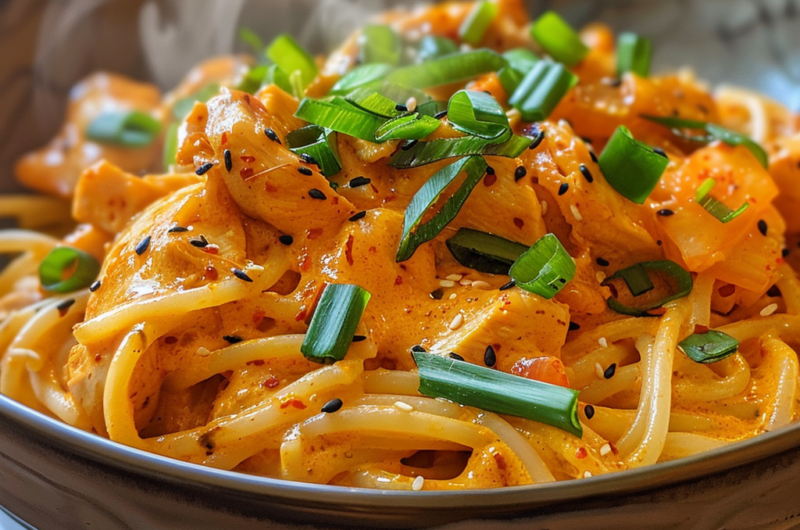
A spicy, umami-packed weeknight dinner that comes together in one pot — tender chicken, velvety sauce, and tangy kimchi in 30 minutes flat.
📋 In This Article
Introduction
Look, I’ve made a lot of pasta in my career. But this One-Pot Creamy Gochujang Chicken Pasta with Kimchi and Scallions hits different. It’s the kind of dish that makes you wonder why you ever bothered with separate pots for boiling water and making sauce. The genius here is in the one-pot method itself: as the pasta cooks, it releases starch into the liquid, which then thickens the gochujang-spiked cream sauce into something impossibly silky. No separate roux. No draining. No extra dishes.
The first time I tested this, I was skeptical. Gochujang in cream? With pasta? But that’s exactly what makes it work. The fermented chili paste brings heat, yes, but also a deep, funky sweetness that plays beautifully against the richness of heavy cream. Add kimchi for brightness and crunch, and you’ve got a meal that feels both comforting and genuinely exciting. This isn’t fusion for fusion’s sake — it’s just really, really good cooking.
Why This Recipe Works
Here’s the thing. Most one-pot pasta recipes fail because the liquid-to-pasta ratio is wrong, leaving you with either mush or a dry, gummy mess. I tested this recipe six different ways before landing on the right formula. The key is using less liquid than you’d think — the pasta absorbs it all, and that concentrated chicken broth becomes the backbone of your sauce.
The gochujang does heavy lifting here. It’s not just heat — it’s fermented soybeans and glutinous rice, which means natural MSG and a rounded sweetness that hits your palate in layers. When you bloom it in the pan with the rendered chicken fat, those compounds caramelize slightly, creating a base that tastes like you spent hours building it. You didn’t. That’s the whole point.
And the kimchi? It goes in at the end, barely warmed. Cook fermented vegetables too long and you kill the probiotics (not to mention the texture). A quick fold-in preserves that tangy crunch, which cuts right through the creamy sauce.
Ingredients You’ll Need
For the Protein
- Chicken Thighs (1 pound, boneless, skinless, cut into 1-inch pieces): Thighs over breasts, always. They’ve got more intramuscular fat, which means more flavor and no risk of drying out. I learned this the hard way after ruining a perfectly good test batch with lean meat.
For the Pasta
- Pasta (8 ounces): Short shapes work best here — penne, fusilli, or gemelli. They trap sauce in their nooks and cook evenly. Long noodles tangle and cook unevenly in one-pot setups.
For the Sauce Base
- Gochujang (3 tablespoons): The star. Look for brands like Chung Jung One or Sunchang — they’ve got that deep, fermented complexity. If your gochujang is pale and one-note, you’re using the wrong one.
- Heavy Cream (1 cup): Full fat. Don’t substitute half-and-half unless you want a thinner, less stable sauce.
- Chicken Broth (2 cups): Low-sodium so you can control the salt. The pasta will drink this up.
Aromatics
- Garlic (4 cloves, minced): Fresh, always. The pre-minced stuff in jars has a weird, acidic bite.
- Ginger (1 tablespoon, freshly grated): Adds brightness and cuts the richness.
Flavor Enhancers
- Soy Sauce (1 tablespoon): Just a splash for salt and depth.
- Sesame Oil (1 teaspoon): Drizzled at the end — never cooked. High heat kills its delicate, nutty character.
For Serving
- Kimchi (1 cup, chopped): Well-fermented is best. You want it funky and tangy.
- Scallions (1/4 cup, sliced): Green parts only for a fresh, oniony bite.
- Parmesan Cheese (2 tablespoons, grated): Optional but recommended — it adds a salty umami punch.
- Red Pepper Flakes: If you want more heat. The gochujang is usually enough for me.
Step-by-Step Instructions
Step 1: Sear the Chicken
Heat 2 tablespoons of vegetable oil in a large pot or Dutch oven over medium-high heat until shimmering. Add the chicken thighs in a single layer — don’t crowd the pan, or they’ll steam instead of brown. Season generously with salt and pepper. Let them cook undisturbed for 4-5 minutes until you see a deep golden-brown crust forming underneath.
Here’s why this matters: that browning is the Maillard reaction in action, creating hundreds of new flavor compounds on the meat’s surface. You’re not “sealing in juices” (that’s a myth), but you are building the flavor foundation for the entire dish. Flip and cook another 2-3 minutes until cooked through. Remove the chicken and set aside.
Step 2: Build Your Flavor Base
Reduce heat to medium. Add the garlic and ginger to the rendered fat in the pot. Cook for 30 seconds until fragrant — don’t let them burn or they’ll turn bitter. Stir in the gochujang and cook for another minute, letting it bloom in the hot fat.
This blooming step is non-negotiable. The heat activates the chili compounds and caramelizes the sugars in the paste, transforming it from raw and sharp to mellow and complex. Skip it, and your sauce will taste flat.
Step 3: Deglaze and Create the Sauce Base
Pour in 1 cup of chicken broth, scraping up any browned bits stuck to the bottom of the pot. Those bits — the fond — are concentrated flavor. Losing them is a crime. Add the remaining cup of broth and the heavy cream. Bring to a gentle simmer.
Step 4: Cook the Pasta
Add the pasta directly to the pot. Stir well to ensure every piece is submerged. Bring to a simmer, then reduce heat to medium-low. Cook according to package directions minus 1 minute — the pasta will continue cooking in the residual heat.
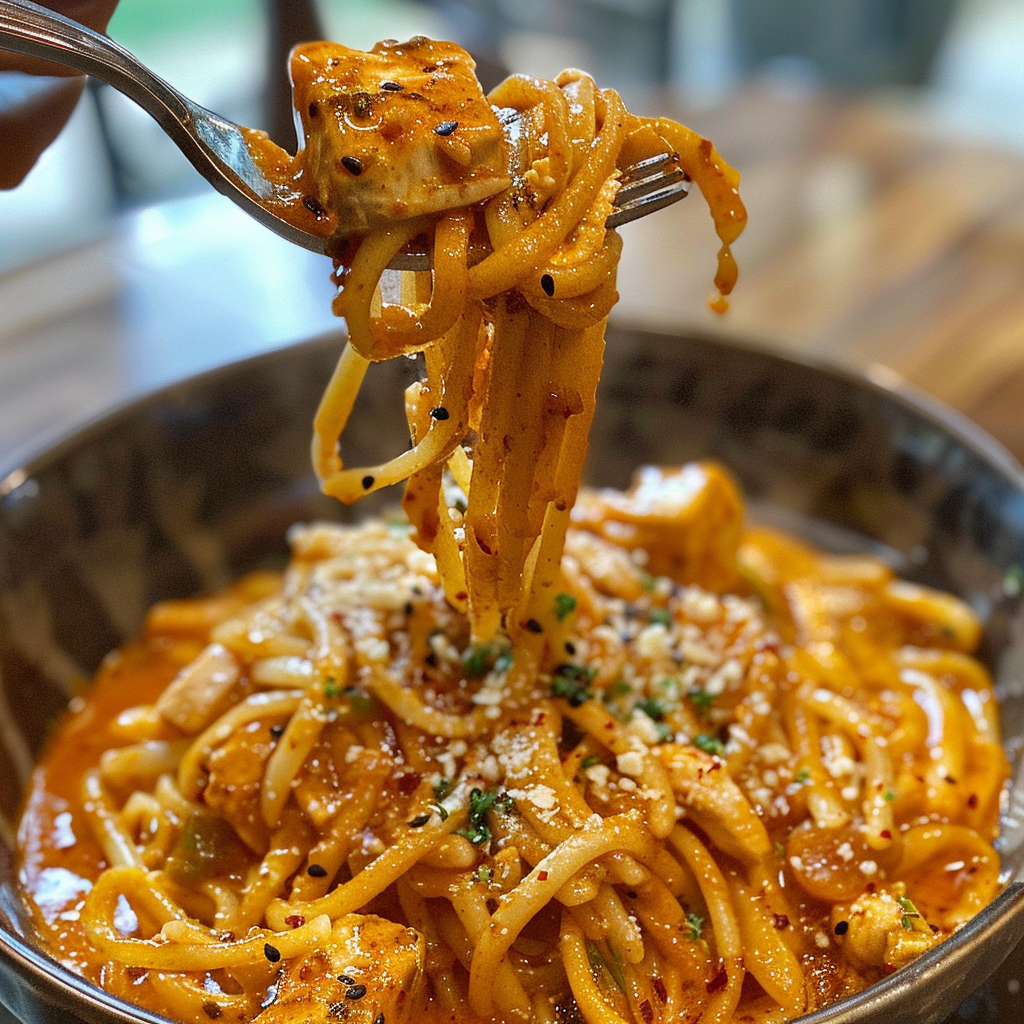
Stir every 2-3 minutes to prevent sticking. The liquid will seem like too much at first, then too little, then magically transform into a glossy, coating sauce. This is the starch from the pasta emulsifying with the fat in the cream. Science, but delicious.
Step 5: Finish and Fold
When the pasta is just shy of al dente, return the chicken to the pot along with any accumulated juices. Add the soy sauce. Cook for 1 minute to warm the chicken through. Remove from heat.
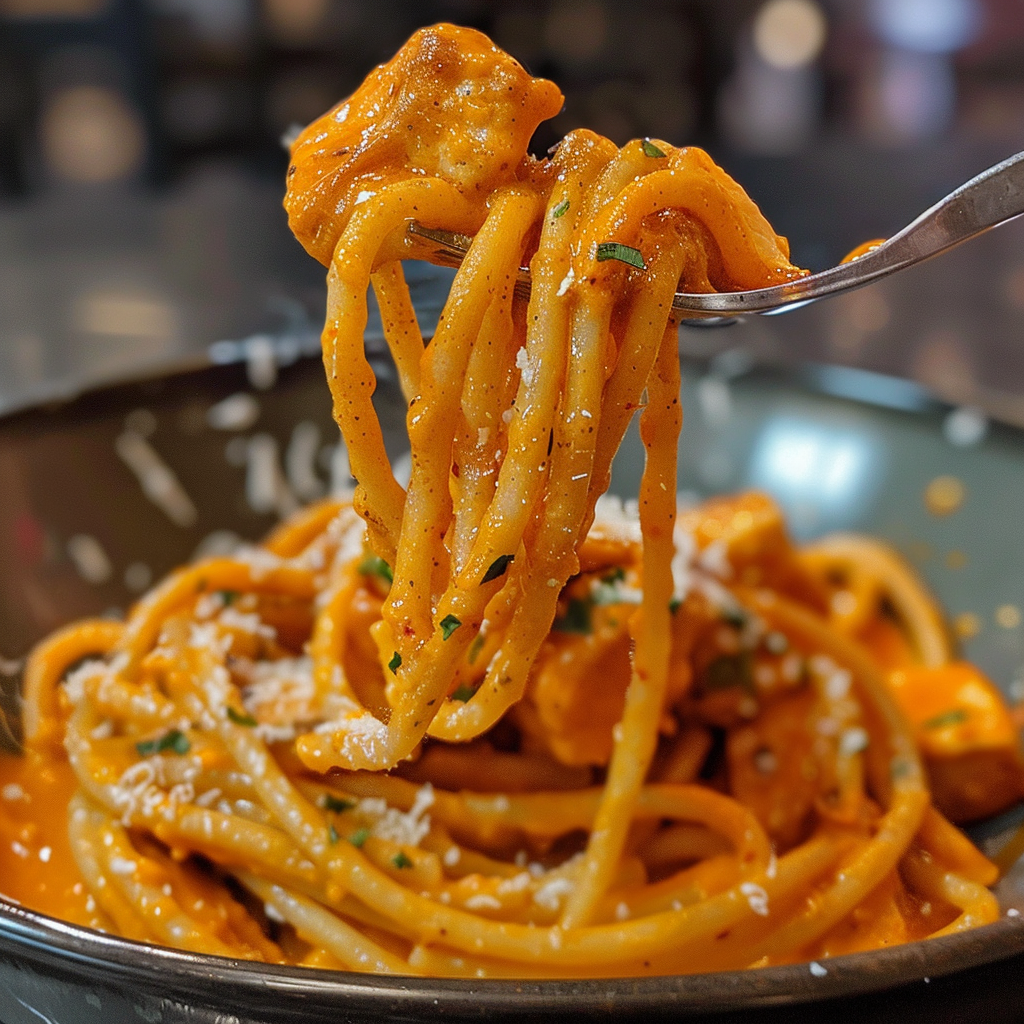
Fold in the kimchi and half the scallions. The residual heat will take the chill off the kimchi without cooking it into mush. Drizzle with sesame oil and top with remaining scallions, parmesan, and red pepper flakes if using.
⚠️ Common Mistakes to Avoid
Even a simple recipe has pitfalls. Here’s what trips people up:
Overcooking the pasta. One-pot pasta continues cooking in the sauce even after you pull it off the heat. Pull it when it’s just slightly underdone — carryover cooking will finish the job. I’ve ruined more test batches than I care to admit by waiting too long.
Adding kimchi too early. Cooked kimchi loses its crunch and its probiotic benefits. It becomes sad, wilted cabbage. Add it at the very end, off the heat, and it stays vibrant and tangy.
Using the wrong liquid ratio. Too much broth and you’ve got soup. Too little and the pasta won’t cook through. This recipe’s ratio has been tested — trust it. If your sauce looks too thick at the end, add pasta water (not more cream) to loosen it.
Under-seasoning. Gochujang is bold, but it needs salt to pop. Taste as you go. The soy sauce helps, but you’ll likely need additional salt, especially if using low-sodium broth.
Burning the gochujang. It’s sugar-rich, which means it burns fast. Medium heat, not high. If it smells acrid, start over.
Variations & Customizations
This recipe is a framework. Make it yours:
- Vegetarian Version: Skip the chicken and use 8 ounces of mushrooms instead — shiitake or cremini have the best meaty texture. Use vegetable broth in place of chicken.
- Vegan Adaptation: Coconut cream works beautifully here, though it will shift the flavor profile slightly toward Southeast Asian. Use a vegan gochujang (some contain fish sauce or shrimp paste — check the label).
- Protein Swaps: Shrimp cooks even faster than chicken — add it in the last 4 minutes of pasta cooking time. Sliced pork belly is incredible if you want to lean into the Korean flavors.
- Spice Level: Want more heat? Add a tablespoon of gochugaru (Korean red pepper flakes) or a squirt of sriracha. Less? Start with 2 tablespoons of gochujang and build from there.
- Gluten-Free: Use gluten-free pasta and tamari instead of soy sauce. The sauce will be slightly thinner, but still delicious.
Storage & Reheating Tips
Leftovers keep in the refrigerator for 3-4 days in an airtight container. The pasta will absorb more sauce as it sits, so expect a thicker texture when you reheat.
To reheat, add a splash of broth or water to the pan and warm gently over medium-low heat. Stir frequently. The microwave works in a pinch, but it tends to create hot spots and dry out the sauce. Cover with a damp paper towel if you must.
Freezing isn’t ideal — dairy-based sauces can separate upon thawing. If you need to freeze it, do so without the kimchi, and add fresh when serving.
💡 Pro Tips for the Perfect Dish
A few final notes to elevate this from good to great:
Reserve pasta water. Before adding the pasta, ladle out 1/2 cup of the simmering broth mixture. If your sauce tightens up too much at the end, this starchy liquid will loosen it while helping the sauce cling to the noodles. It’s liquid gold.
Use well-fermented kimchi. The stuff at the back of your fridge that’s been there for weeks? That’s the one. Fresh kimchi hasn’t developed the tang and complexity that makes this dish sing.
Toast your sesame seeds. If you’re garnishing with sesame seeds (highly recommended), toast them in a dry pan for 2 minutes until fragrant. Raw seeds are fine; toasted seeds are transformative.
Let it rest. After you fold in the kimchi and pull the pot off the heat, let everything sit for 2-3 minutes before serving. The sauce will thicken slightly and the flavors will marry.
Frequently Asked Questions
+Why is my pasta sauce watery?
You likely used too much liquid or didn’t let the pasta cook long enough to release its starch. Next time, measure the broth carefully and resist the urge to add more until the pasta has cooked for at least 8 minutes. If you’re already at the end and the sauce is thin, let it simmer uncovered for another 2-3 minutes to reduce.
+Can I use a gochujang substitute?
In a pinch, you can mix sriracha with miso paste and a pinch of sugar — it won’t have the same fermented depth, but it’ll get you close. Sambal oelek works too, though it’s more garlicky and less sweet. Nothing truly replaces gochujang’s unique flavor profile, so if you can find it, use it.
+How do I know when the chicken is done?
The most reliable method is an instant-read thermometer: 165°F internal temperature. If you don’t have one, cut into the largest piece — the meat should be opaque throughout with no pink, and the juices should run clear. Chicken thighs are forgiving, but undercooked poultry is never worth the risk.
+Can I skip the kimchi?
You can, but you’ll lose the tangy crunch that balances the rich sauce. If you must skip it, add something acidic at the end — a squeeze of lime or a splash of rice vinegar — to brighten the dish. It needs that contrast.
+How long does this last in the fridge?
Properly stored, 3-4 days. The pasta will continue absorbing liquid, so the texture changes over time. For best results, store the kimchi separately and add it fresh when reheating.
+What sides go with this pasta?
Because it’s rich and substantial, keep sides light. A simple cucumber salad with rice vinegar, some steamed broccoli, or just extra kimchi on the side. This isn’t a dish that needs much else.