
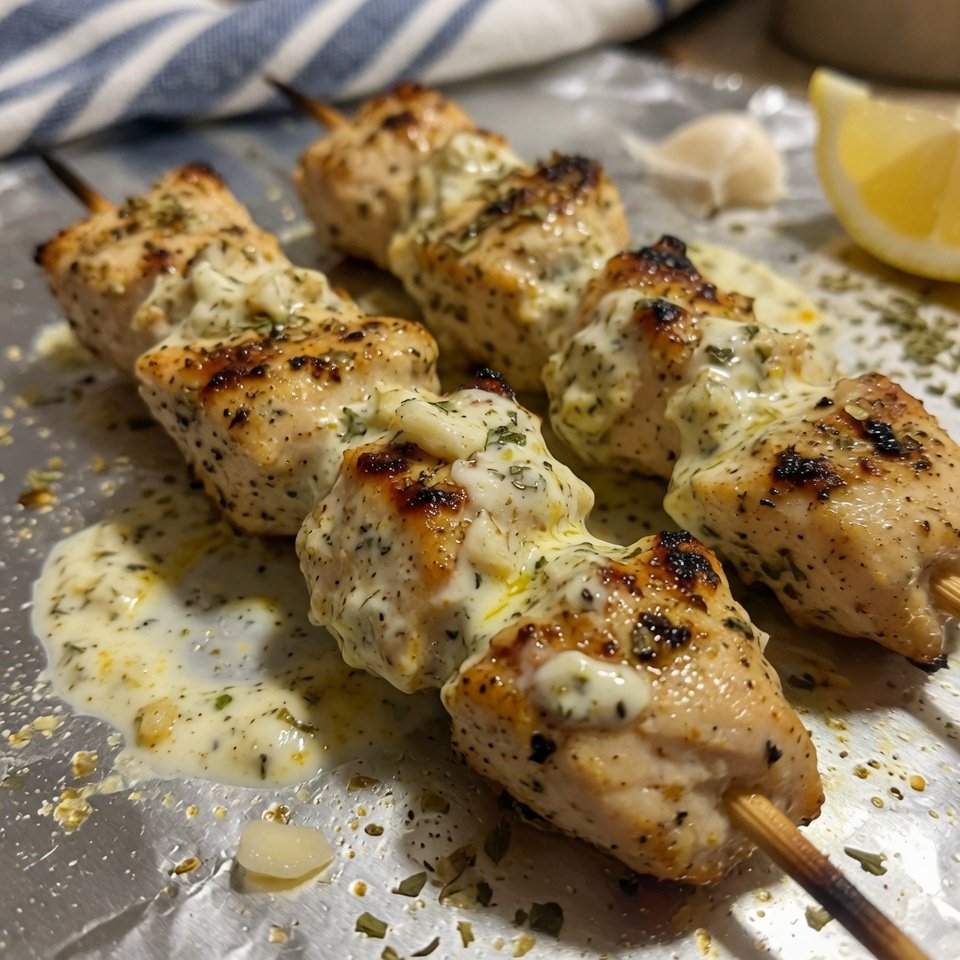
Charred, incredibly tender chicken thighs with a tangy, spiced yogurt crust—ready for the grill in under 30 minutes of active prep.
📋 In This Article
Introduction
Greek Yogurt Marinated Chicken Skewers are a staple for good reason. The magic lies in the marinade: Greek yogurt doesn’t just add flavor; it acts as a gentle tenderizer, thanks to its lactic acid. Combined with garlic, lemon, and warm spices, this marinade creates an aromatic coating that caramelizes beautifully on the grill, yielding smoky, charred perfection. Inspired by Mediterranean cuisine, these skewers evoke sun-drenched terraces and vibrant flavors. Whether served alongside a fresh Greek salad or a fragrant rice pilaf, this recipe is sure to satisfy a crowd.
Why It Works: The Science Behind Greek Yogurt Marinade
Fat, acid, and heat. That’s the whole game. Greek Yogurt Marinated Chicken Skewers utilize the natural tenderizing properties of Greek yogurt, which contains lactic acid. Unlike harsh vinegar or citrus marinades that cause proteins to seize and turn mushy, the gentle action of lactic acid effectively penetrates the meat, enhancing tenderness while maintaining structural integrity. This mild protein denaturation allows the chicken to soak up the rich, tangy notes of the yogurt without breaking down into mush. The result is skewers that are not only succulent but also infused with a depth of umami-rich flavor that traditional marinades lack.
Ingredients You’ll Need
For the Chicken:
- 2½ lbs boneless, skinless chicken thighs, trimmed of excess fat and cut into 1½-inch pieces
- 1 cup plain whole milk Greek yogurt
- 2 tablespoons extra-virgin olive oil
- 2 teaspoons paprika
- ½ teaspoon cumin
- 1 teaspoon crushed red pepper flakes (adjust to ½ teaspoon for milder heat)
- Zest of one lemon
- 2 tablespoons freshly squeezed lemon juice
- 1¾ teaspoons salt
- ½ teaspoon freshly ground black pepper
- 5 cloves garlic, minced
Optional Add-ins:
- 1 large red onion, cut into 1-inch chunks
- Assorted vegetables such as bell peppers and cherry tomatoes for added color and variety on the skewers
Step-by-Step Instructions
- Preparing the Chicken: Start with 2½ pounds of boneless, skinless chicken thighs. Cut the chicken into 1½-inch cubes to ensure even cooking and maximum moisture retention.
- Making the Marinade: In a mixing bowl, combine 1 cup of plain Greek yogurt, 2 tablespoons of olive oil, the juice and zest of 1 lemon, 5 minced garlic cloves, and your spices. I tested patting the yogurt dry before grilling vs. grilling it dripping wet side by side—the wet version actually created a thicker, more flavorful crust, acting almost like a spiced batter. Leave it wet.
- Marinating Time: Place the chicken pieces in the marinade, ensuring they are well-coated. For optimal flavor, marinate in the refrigerator for 2 to 6 hours. A 45-minute marinade gives you about 80% of the flavor penetration; overnight gets you 100%. Short on time? 45 minutes is totally fine. Avoid going over 24 hours to prevent the chicken from becoming mushy.
- Threading Skewers: While the chicken marinates, soak wooden skewers in water for at least 30 minutes to prevent burning. Thread the marinated chicken onto the skewers, leaving a small gap between pieces. I used to squeeze the chicken pieces tightly together on the stick—don’t. Leaving a tiny gap lets the heat hit all sides.
- Grilling Instructions: Preheat your grill to medium-high heat (about 400°F). At 400°F, the yogurt coating undergoes the Maillard reaction and caramelization, creating a savory crust without burning the sticks while the interior climbs safely to temperature. Place the skewers on the grill and cook for 10 to 15 minutes, turning occasionally, until the chicken reaches an internal temperature of 165°F.
- Alternative Cooking Methods: If you prefer to cook indoors, bake the skewers in the oven at 400°F for 20 to 25 minutes or use an air fryer for 10 to 15 minutes, ensuring the chicken still reaches 165°F. Always allow the chicken to rest for 5 minutes before serving.
⚠️ Common Mistakes to Avoid
Several missteps can ruin your skewers. The most crucial error is over-marinating the chicken, especially if using chicken breasts, which can turn the meat mushy. Aim for 2 to 6 hours to achieve optimal flavor without compromising texture. Conversely, under-marinating leads to bland skewers; ensure your chicken is well-coated.
Another frequent mistake is overcrowding the skewers. This results in uneven cooking and sticking to the grill. Leave adequate space between each piece of chicken to allow the heat to circulate. Additionally, always oil your grill grates before placing the skewers to prevent them from tearing the meat. The first time I skipped the oil-on-the-grates step, I lost half the crust to the grates—don’t make my mistake.
Finally, avoid overcooking the chicken. Use a meat thermometer to ensure the internal temperature reaches 165°F without going beyond that threshold.
Flavor Variations & Pairings
The possibilities here are diverse. Consider enhancing your marinade with spices such as sumac or za’atar, which add a tangy and herbal depth, or even dill for a fresh, aromatic touch. Fresh herbs like mint, parsley, and cilantro can also elevate the skewers, infusing them with vibrant flavors that complement the yogurt base.
For vegetable combinations, seasonal produce such as bell peppers, cherry tomatoes, and zucchini not only add color but also enhance the taste profile. Grilled vegetables can be threaded onto the skewers alongside the marinated chicken, or served on the side to create a complete meal.
Pair this dish with a cooling homemade tzatziki sauce—this creamy dip made from yogurt, cucumber, and garlic beautifully balances the spices. For a hearty side, rice pilaf or a refreshing quinoa salad complement the skewers perfectly. Additionally, a fresh Greek salad brings a burst of flavor and texture, and warm pita bread is ideal for wrapping up the skewer bites.
Storage & Reheating
To store your uncooked marinated chicken skewers, place them in an airtight container or a resealable bag and refrigerate for up to 2 days. For longer storage, freeze the marinated chicken; it can last up to 3 months in the freezer. When ready to cook, thaw them in the refrigerator overnight for best results.
Once cooked, ensure the chicken is cooled to room temperature before refrigerating it in an airtight container, where it can stay fresh for up to 4 days. For reheating, preheat your oven to 350°F (175°C). Place the skewers on a baking sheet, cover them with foil to retain moisture, and heat for about 15-20 minutes, or until they reach an internal temperature of 165°F (74°C). Alternatively, you can reheat them on the grill over medium heat for about 5-7 minutes, turning occasionally, to maintain their velvety texture. These methods ensure that your chicken remains flavorful and safe to eat while minimizing the risk of drying out.
💡 Pro Tips for Perfect Skewers Every Time
Look, I won’t sugarcoat it—this step matters. Consider brining your chicken breasts for at least 30 minutes before marinating if you opt for white meat. This technique enhances moisture retention, making your skewers juicy. When using wooden skewers, always soak them in water for at least 30 minutes prior to grilling.
Utilizing a meat thermometer is crucial for achieving the ideal doneness. Aim for an internal temperature of 165°F (75°C) for perfectly cooked chicken. After grilling, allow your skewers to rest for 5-10 minutes. Here’s the thing. When meat rests, muscle fibers relax and reabsorb juices pushed to the center by heat. Cut too early, and you lose moisture onto the board.
For optimal grilling, make sure to oil the grill grates to prevent sticking and manage flare-ups effectively by keeping a spray bottle of water nearby. If the exterior is charring but the center is still raw, your grill is too hot. Move the skewers to a cooler zone, drop the lid, and let them finish via indirect heat. This can help control flames that may arise from dripping fond and fats.
Frequently Asked Questions (FAQ)
+Why is my Greek yogurt chicken dry and tough?
Dry or tough chicken usually means it has been overcooked or marinated too long. If left in the yogurt beyond 24 hours, the lactic acid breaks down the proteins too far, resulting in a mushy or chalky texture. Always cook to exactly 165°F and let it rest.
+Can I use chicken breasts instead of thighs?
Yes, you can use chicken breasts, but they lack the fat of thighs and dry out much faster. If using breasts, consider a quick 30-minute brine before marinating, and watch the grill time closely to keep them juicy.
+How do I know when chicken skewers are done?
The only reliable way to know is by using an instant-read meat thermometer. Insert it into the thickest piece of chicken; it should read 165°F (74°C). The juices should also run clear, not pink.
+Can I skip soaking the wooden skewers?
Not unless you enjoy the smell of burning wood. Soaking wooden skewers in water for at least 30 minutes prevents them from catching fire on the grill. If you skip this step, the exposed ends will turn to ash.
+How long do leftover chicken skewers last in the fridge?
Properly stored in an airtight container, cooked leftover chicken skewers will last for up to 4 days in the refrigerator. Reheat them gently in a 350°F oven to keep them from drying out.
+What sides go with Greek chicken skewers?
These skewers pair beautifully with a cooling tzatziki sauce, warm pita bread, and a crisp Greek salad. For something heartier, serve them over a bed of lemon-dill rice pilaf or quinoa.
Conclusion
Greek Yogurt Marinated Chicken Skewers deliver incredible tenderness and rich flavor, showcasing the remarkable benefits of a yogurt-based marinade. This dish allows you to customize with your favorite spices and vegetables, ensuring each skewer hits the right notes. Don’t hesitate to experiment with different flavor profiles, side dishes, or cooking methods—let your creativity shine. As you prepare these skewers, remember to serve them with a refreshing side salad or warm pita to complement the delightful flavors. Dive in and savor every bite.
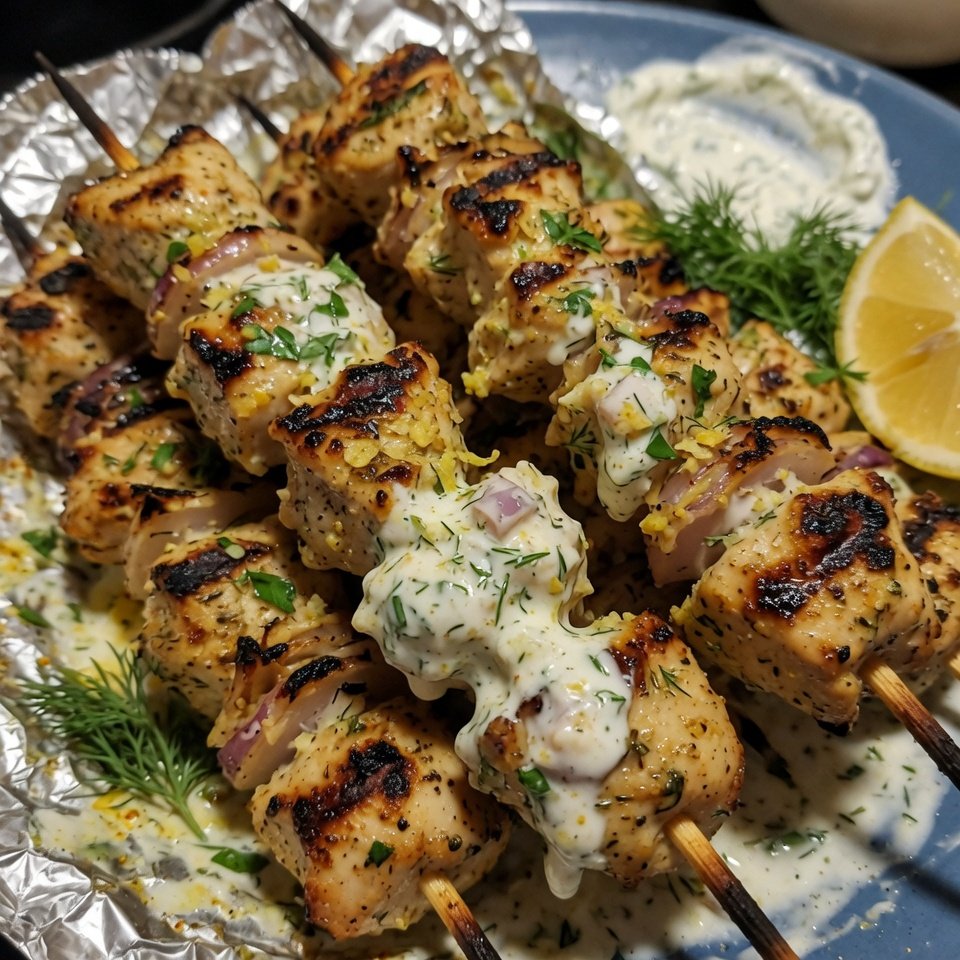
Middle Eastern-Style Grilled Chicken Kabobs
Ingredients
Method
- In a medium bowl, combine the yogurt, olive oil, paprika, cumin, cinnamon, red pepper flakes, lemon zest, lemon juice, salt, pepper and garlic.
- Line a baking sheet with aluminum foil for easy clean up. Thread the chicken onto metal skewers, folding if the pieces are long and thin, alternating with the red onions. Be sure not to cram the skewers. (Note: You'll need between 6 and 8 skewers.) Place the kabobs on the prepared baking sheet. Brush the marinade all over the meat, coating well. Cover and refrigerate at least eight hours or overnight.
- Preheat the grill to medium-high heat. To grease the grill, lightly dip a wad of paper towels in vegetable oil and, using tongs, carefully rub over the grates several times until glossy and coated. Grill the chicken kabobs until golden brown and cooked through, turning the skewers occasionally, 13 to 15 minutes. (The yogurt marinade makes these kabobs prone to sticking to the grill grates; if necessary, use a metal BBQ spatula to scrape underneath the kabobs and release them.) Transfer the kabobs to a platter and serve.
Nutrition
Notes
- For perfectly cooked chicken, aim for an internal temperature of 165°F (75°C). The chicken should be golden brown and juices should run clear when pierced.
- To prevent the kabobs from sticking to the grill, make sure to grease the grates thoroughly with oil before preheating, and use a metal spatula to gently lift them if they stick.
- If you're short on time, marinating the chicken for just 2 hours will still impart great flavor; however, overnight is best for maximum tenderness and taste.
- Feel free to swap the boneless chicken thighs for chicken breast or even tofu for a vegetarian option, but adjust the cooking time as necessary for different proteins.
- Leftover kabobs can be stored in the fridge for up to 3 days. Reheat gently in a skillet over medium heat or in the oven at 350°F (175°C) to prevent them from drying out.