

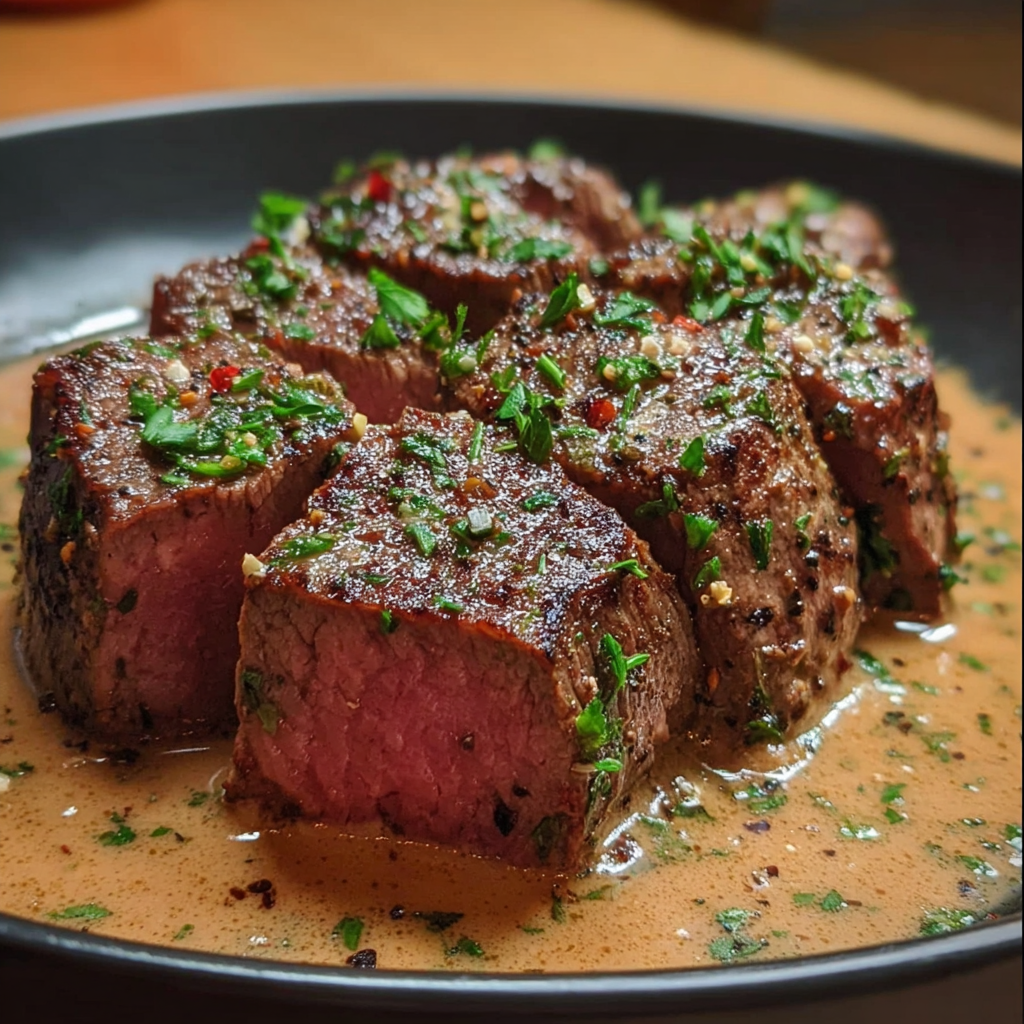
Savoring the Flavor of Juicy Beef Fillet Pepper
Ingredients
Method
- Prepare the beef fillet by trimming any excess fat.
- Season both sides of the fillet with sea salt and black pepper.
- Heat olive oil in a large skillet over medium-high heat.
- Add the beef fillet to the skillet and sear for 3-4 minutes on each side.
- Add minced garlic and Worcestershire sauce when flipping the fillet.
- Remove the fillet from the skillet and let it rest for 5 minutes.
- Slice the fillet and serve with a sprinkle of fresh parsley and chili flakes, if desired.
Tried this recipe?
Let us know how it was!Introduction
There's something exquisite about the tender juiciness of a beef fillet seasoned to perfection. When paired with the right spices and a touch of fresh pepper, this dish transforms into a culinary experience that is both delightful and satisfying. It's not just about the ingredients; it's about creating a melody of flavors that dance on your palate.
For home cooks eager to impress without drowning in complexity, preparing a juicy beef fillet pepper is a journey that invites creativity and confidence. Imagine the sizzling sound as your fillet hits the hot pan, releasing a savory aroma that captivates the senses. This dish has the power to elevate a simple weeknight dinner into something special, complete with robust flavors and a gourmet feel.
Ingredients
- 500g beef fillet
The star of the dish, beef fillet is known for its tenderness and rich flavor. Choosing a high-quality cut ensures that the fillet remains juicy and succulent throughout the cooking process. - 2 tablespoons olive oil
Olive oil not only helps to sear the meat perfectly but also adds a layer of flavor. It enhances the overall richness of the dish, making each bite delectable. - 1 teaspoon black pepper
Freshly cracked black pepper intensifies the flavor profile and gives a pleasant heat without overpowering the dish. It balances the richness of the beef effectively. - 1 teaspoon sea salt
Salt is crucial for bringing out the natural flavors of the beef. It enhances the savory notes and ensures that the fillet is well-seasoned. - 2 cloves garlic, minced
Garlic adds aromatic depth and savory earthiness to the dish, complementing the beef without overshadowing its flavor. - 1 tablespoon Worcestershire sauce
This sauce adds a unique umami component and slight tang that enhances the beef's natural flavors, making every bite more complex. - 1 tablespoon fresh parsley, chopped
A garnish that brings freshness and color to the plate, parsley also adds a subtle herbal note that brightens up the dish. - Fresh chili flakes (optional)
For those who enjoy heat, chili flakes provide a fun kick without altering the overall balance of flavors, making the dish even more exciting.
Directions & Preparation
Step 1: Prepare the beef fillet by trimming any excess fat.
Trimming the beef helps to ensure that you're left with the tender, juicy part of the fillet while reducing unwanted chewiness. This step is crucial, as it also allows the seasoning to penetrate the meat more effectively.
Step 2: Season both sides of the fillet with sea salt and black pepper.
Applying salt and pepper directly onto the beef is where the flavor journey begins. This simple seasoning enhances the inherent richness of the fillet and creates a flavorful crust when seared.
Step 3: Heat olive oil in a large skillet over medium-high heat.
Preheating the skillet ensures that the oil reaches the optimal temperature for searing. This step is essential because a hot pan helps develop a desirable crust that locks in the juices.
Step 4: Add the beef fillet to the skillet and sear for 3-4 minutes on each side.
Searing the fillet not only creates a golden-brown crust but also caramelizes the natural sugars in the meat, enriching the flavor. Timing is key here; avoid overcooking to keep it juicy.
Step 5: Add minced garlic and Worcestershire sauce when flipping the fillet.
Incorporating garlic and Worcestershire during searing allows these flavors to merge beautifully with the beef. It infuses the meat with a depth of flavor, enhancing the overall profile without overwhelming it.
Step 6: Remove the fillet from the skillet and let it rest for 5 minutes.
Resting is vital as it allows the juices to redistribute throughout the meat. Cutting into it too soon may result in dry slices, while resting ensures a succulent experience.
Step 7: Slice the fillet and serve with a sprinkle of fresh parsley and chili flakes, if desired.
Slicing allows guests to appreciate the juicy interior, while the garnishes add a fresh touch and visual appeal. This final presentation elevates the dish, making it unmistakably gourmet.

Choosing the Right Beef Fillet
Selecting the best beef fillet goes beyond simply grabbing any package off the shelf. Look for a bright red color with even marbling — the white streaks of fat will melt during cooking, keeping your fillet juicy. Additionally, purchasing from a reputable butcher can provide valuable insights, ensuring you get a fresher cut that enhances the overall dining experience.
Infusing Flavor Through Searing
Searing is more than just browning the meat; it’s a crucial technique that helps lock in juices while developing that flavorful crust. Using high heat, you'll encourage the Maillard reaction, which occurs when proteins and sugars undergo chemical changes. This step significantly boosts flavor, so don’t rush — allow the fillet those few minutes to create a delicious exterior.
Personalizing with Peppers and Spices
While this recipe highlights the beauty of beef fillet and pepper, don't hesitate to make it your own. Experimenting with different types of peppers — such as green, red, or chili peppers — can introduce varying levels of sweetness or spice. Likewise, adding herbs like thyme or rosemary can deepen the flavor, enhancing the dish's aromatic qualities.
FAQs
What if my fillet lacks seasoning after cooking?
If you're concerned about the seasoning, ensure you generously sprinkle salt and pepper before searing, or adjust with a dash of soy or Worcestershire sauce before slicing.
How can I ensure my fillet doesn’t overcook?
Invest in a meat thermometer. Cook your fillet to about 55°C for medium-rare, and remove it from heat to rest, which retains more juices.
Can I substitute the Worcestershire sauce?
Yes, you can use soy sauce or balsamic vinegar. Just keep in mind that each will impart a different flavor, so choose based on your taste preferences.
What if the crust on my fillet is too thick?
A thick crust may come from too high heat or extended cooking time. Make sure to sear just enough for a golden brown color without burning.
How can I make the dish spicier?
To add heat, consider incorporating some fresh chili peppers or chili powder alongside the garlic, adjusting to your preferred spice level.
What if I want to make this for a larger group?
This recipe can easily be scaled up. Just ensure you have an adequately sized skillet or sear the fillets in batches to prevent crowding.
Conclusion
Making juicy beef fillet pepper is not just an act of cooking; it’s an expression of love for food and those you share it with. By mastering this dish, you’re not only creating a delightful meal but also honing your skills in the kitchen.
Embrace the flavors and techniques involved, and soon, you'll feel a deeper connection to the culinary arts. Enjoy each bite, knowing that you’ve created something truly special.
Recipe Card
Savoring the Flavor of Juicy Beef Fillet Pepper
Ingredients
Method
- Prepare the beef fillet by trimming any excess fat.
- Season both sides of the fillet with sea salt and black pepper.
- Heat olive oil in a large skillet over medium-high heat.
- Add the beef fillet to the skillet and sear for 3-4 minutes on each side.
- Add minced garlic and Worcestershire sauce when flipping the fillet.
- Remove the fillet from the skillet and let it rest for 5 minutes.
- Slice the fillet and serve with a sprinkle of fresh parsley and chili flakes, if desired.
Tried this recipe?
Let us know how it was!Notes
Additional serving suggestions: pair with a crisp salad, garlic bread, or roasted seasonal vegetables for balance.
For make-ahead, prep components separately and assemble just before heating to preserve texture.
Taste and adjust with acid (lemon/vinegar) and salt right at the end to wake up flavors.