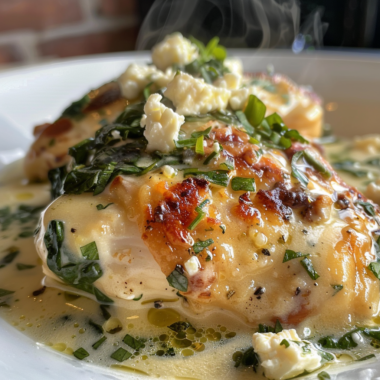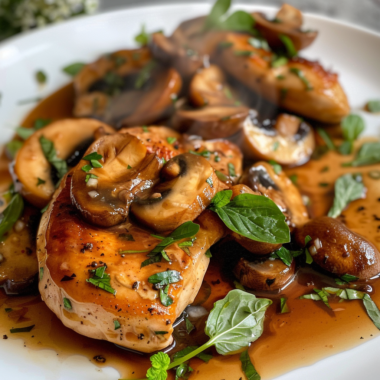
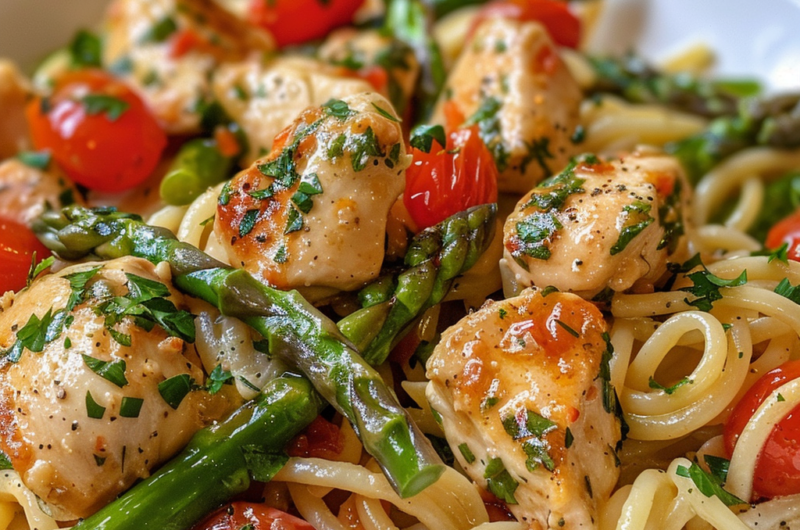
A vibrant, 35-minute weeknight dinner where tender chicken, crisp asparagus, and sweet cherry tomatoes swim in a velvety lemon-garlic cream sauce — with only one pot to wash.
📋 In This Article
Introduction
Here’s the thing about one-pot pasta recipes: most of them lie. They promise convenience but deliver mushy noodles swimming in thin, flavorless liquid. This One-Pot Creamy Lemon Garlic Chicken Pasta with Asparagus and Cherry Tomatoes actually works because we’re building layers of flavor before the pasta even hits the pot. The chicken gets a proper sear. The garlic blooms in the fond. The starch from the pasta thickens the sauce naturally. No cornstarch. No cheese roux. Just smart technique.
I developed this recipe during a particularly chaotic spring when asparagus was everywhere and I had zero patience for dishes. What started as a desperate “throw everything in a pot” experiment became a regular rotation staple because, against all odds, the vegetables stay bright, the chicken stays juicy, and the sauce achieves that elusive restaurant-quality consistency without a single extra pan.
Why This Recipe Works
The one-pot method works here because of starch release. When pasta cooks directly in broth, it releases starch molecules into the liquid. Those molecules swell and gelatinize, creating natural thickness that clings to every ridged surface of penne or rigatoni. No separate pot for boiling. No colander. No starchy water going down the drain.
But here’s what most recipes get wrong: they dump everything at once. The result? Overcooked vegetables and rubbery chicken. This recipe stages the additions. The chicken sears first, developing a golden-brown crust through the Maillard reaction — that chemical process where amino acids and sugars create hundreds of new flavor compounds at temperatures above 300°F. The asparagus and tomatoes go in during the final minutes, preserving their snap and sweetness.
The lemon-garlic cream sauce balances richness with brightness. Heavy cream provides the velvety mouthfeel (thank you, fat globules), while fresh lemon juice cuts through with acidity. That acid doesn’t just brighten — it balances the palate and prevents the cream from feeling heavy.
Key Ingredients
For the Chicken and Base
- Chicken Breast: 1 pound boneless, skinless chicken breast, cut into 1-inch pieces. Cut uniform sizes for even cooking. Smaller pieces cook faster but dry out easier; larger pieces stay juicy but need more time. One inch is the sweet spot.
- Olive Oil: 3 tablespoons for sautéing. Enough to coat the pan and transfer flavor.
- Garlic: 4 cloves, minced. Fresh is non-negotiable here — the pre-minced jarred stuff lacks the volatile oils that make garlic aromatic.
- Kosher Salt and Black Pepper: For seasoning throughout. I season the chicken before searing, then adjust at the end.
For the One-Pot Assembly
- Chicken Broth: 4 cups low-sodium chicken broth. The liquid reduces as the pasta cooks, concentrating flavor. Low-sodium lets you control the final seasoning.
- Pasta: 12 ounces short dried pasta (penne, rigatoni, or farfalle). Short shapes with ridges or curves catch the creamy sauce better than smooth long noodles.
- Asparagus: 1 medium bunch (about 1 pound), trimmed and cut into 1-inch pieces. Look for stalks with tight tips and firm stems — they snap cleanly when fresh.
- Cherry Tomatoes: 1 cup, halved. Their natural sweetness intensifies during the brief cook, balancing the lemon’s acidity.
- Heavy Cream: 1 cup. The fat content (at least 36%) creates a stable emulsion that won’t break easily.
- Parmesan Cheese: 1 ounce (about ½ cup finely grated), plus more for serving. Grate your own — pre-grated cheese contains anti-caking agents that prevent smooth melting.
- Lemon: 1 medium lemon for both zest and juice. The zest contains aromatic oils; the juice provides acid. Use both.
Step-by-Step Instructions
1. Sear the Chicken
Heat 1 tablespoon of olive oil in a large pot or Dutch oven over medium-high heat. Season the chicken pieces generously with salt and pepper. When the oil shimmers — that’s how you know it’s hot enough — add the chicken in a single layer.
Cook for 5-7 minutes, turning occasionally, until golden brown on multiple sides and cooked through to an internal temperature of 165°F. Remove the chicken from the pot and set aside on a plate.
Why searing matters: That golden-brown crust isn’t just color. The Maillard reaction creates flavor compounds you can’t get any other way. When you see fond (those browned bits) sticking to the pot, don’t wipe it away — that’s concentrated flavor waiting to be released.
2. Bloom the Garlic
Reduce heat to medium. Add the remaining 2 tablespoons of olive oil and the minced garlic. Sauté for about 1 minute until fragrant, stirring constantly.
Watch carefully: Garlic burns fast. Burned garlic turns bitter and ruins the entire dish. You want it aromatic and pale gold, not brown.
The first time I rushed this step, I ended up starting over. Learn from my mistake: pull the pot off the heat if the garlic is browning too quickly.
3. Deglaze and Build the Base
Pour in the chicken broth and lemon juice. Use a wooden spoon to scrape up every bit of that fond from the bottom of the pot. This is called deglazing, and it dissolves those caramelized proteins back into your sauce.
Bring the liquid to a gentle boil.
4. Cook the Pasta
Stir in the pasta, making sure every piece is submerged. Reduce heat to maintain a simmer — not a rolling boil, which can make the sauce cloudy and break the emulsion later.
Cook for 10-12 minutes, stirring occasionally to prevent sticking. Test the pasta at 10 minutes. You want it al dente: tender but still offering slight resistance when you bite. It will continue cooking slightly when the cream is added.
5. Add Vegetables
When the pasta is about 2 minutes from done, add the asparagus pieces and halved cherry tomatoes. Stir to combine and cook for those final 2-3 minutes.
The asparagus should be crisp-tender — bright green with a snap. Overcooked asparagus turns mushy and gray. Nobody wants that.
6. Finish the Sauce
Reduce heat to low. Stir in the heavy cream and grated Parmesan. Keep stirring until the cheese melts and the sauce becomes silky.
Why low heat matters: High heat can cause cream proteins to coagulate and separate. Low heat keeps the emulsion stable. If your sauce looks too thick, add a splash of pasta cooking water or broth. Too thin? Simmer for another minute — the starch continues to thicken as it cools.
Fold the reserved chicken back into the pot. Stir in the lemon zest. Taste and adjust seasoning.
7. Serve Immediately
Spoon into bowls. Top with extra Parmesan and fresh parsley if you’re feeling fancy.
Eat right away. This dish doesn’t improve with sitting — the pasta continues absorbing liquid, and the sauce tightens up.
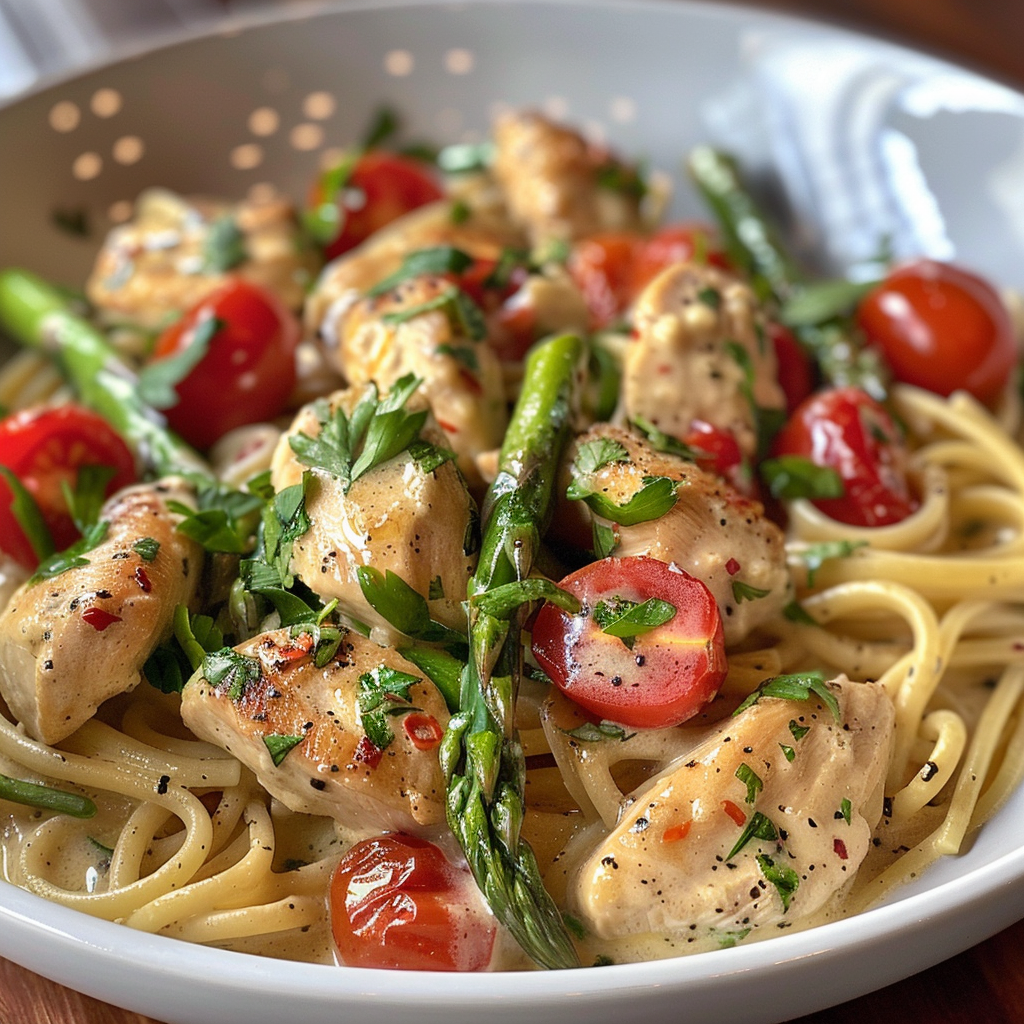
💡 Pro Tips for Perfection
Get the pasta right: Al dente isn’t a suggestion. Overcooked pasta turns to mush in a cream sauce, releasing too much starch and creating a gummy texture. Undercooked pasta stays hard and chalky. Test early. Test often.
Don’t rush the sear: When chicken hits the pan, it releases moisture. If you stir immediately, you’re steaming, not searing. Let it sit. Wait until the pieces release easily from the pot — that’s how you know the crust has formed.
Temper your cream: If you’re worried about curdling, add a small amount of the hot liquid to the cream first, stir, then pour it all back into the pot. This gradual temperature change prevents shock.
Save some pasta water: Before draining isn’t an option here (no draining!), but if your sauce tightens up during serving, a splash of hot broth or water loosens it right back up. Starch + liquid = adjustable consistency.
Season in layers: Salt the chicken. Salt the pasta water equivalent (the broth). Taste at the end. Building seasoning throughout creates depth that a single dose at the end can’t match.
⚠️ Common Mistakes to Avoid
Mushy pasta: This is the number one complaint with one-pot recipes. The fix? Use the right liquid-to-pasta ratio (I tested this extensively — 4 cups broth to 12 ounces pasta works), maintain a simmer not a boil, and test early.
Dry chicken: High heat + thin pieces = rubber. Use medium-high for the sear, then medium for the rest. And don’t overcook the pieces before removing — they’ll finish warming through when added back.
Broken sauce: Cream separates when boiled hard or when acid hits at high heat. Add lemon juice to the broth first (diluted), then add cream at low heat. If your sauce looks grainy, remove from heat immediately and whisk vigorously — sometimes you can save it.
Bland flavor: Under-seasoning is fixable. Over-seasoning isn’t. Start conservative, taste throughout, adjust at the end. And use real Parmesan — the flavor concentration matters more than volume.
Overcooked vegetables: Asparagus goes from bright and crisp to sad and gray in about 2 minutes of extra cooking. Add it late. Set a timer if you need to.
Variations and Substitutions
Protein swaps: Shrimp works beautifully — add it with the asparagus since it cooks in 2-3 minutes. Sliced Italian sausage brings fennel and fat; brown it with the chicken. For vegetarian, skip the meat and use vegetable broth. Tofu works if you press and cube it first, though the texture is different.
Vegetable options: Spinach wilts in seconds — stir it in at the very end. Broccoli needs an extra minute; add it with the pasta. Peas are perfect from frozen; toss them in with the asparagus. Zucchini works but releases water; sauté it separately if you want browning.
Pasta alternatives: Gluten-free pasta works, though it tends to release more starch and can get gummy. Reduce the liquid slightly and test early. Whole wheat pasta adds nuttiness but needs an extra minute. Don’t use fresh pasta — it cooks too fast and will turn to mush.
Dairy adjustments: For a lighter version, half-and-half works, though the sauce won’t be as velvety. For dairy-free, full-fat coconut milk adds richness with a subtle sweetness that actually complements the lemon. Nutritional yeast can approximate Parmesan’s umami.
Spice it up: Red pepper flakes added with the garlic bring gentle heat. A teaspoon of Dijon mustard whisked into the cream adds tang and helps emulsify the sauce.
Storage and Reheating
Refrigeration: Cool completely before storing — putting hot pasta in a sealed container creates condensation, which turns everything soggy. Transfer to an airtight container and refrigerate for up to 3 days.
Reheating: The sauce will thicken considerably in the fridge. That’s normal — starch continues to absorb liquid as it cools. Add a splash of water or broth before reheating.
Microwave method: Place a portion in a microwave-safe bowl. Add 1 tablespoon of water. Cover with a damp paper towel. Heat in 30-second intervals, stirring between each, until warmed through.
Stovetop method: Add the pasta to a pan with a splash of broth. Heat over medium-low, stirring gently, until the sauce loosens and everything is hot.
Freezing: Not recommended. Cream sauces tend to separate when frozen and thawed, and pasta becomes unpleasantly soft. If you must freeze, know that the texture will suffer.
Frequently Asked Questions
+Why is my pasta still hard after the cooking time?
Different pasta brands and shapes absorb liquid differently. If the liquid has absorbed but the pasta isn’t tender, add ¼ cup more broth or water and continue cooking. Cover the pot to trap steam, which helps finish the pasta.
+Can I use milk instead of heavy cream?
You can, but the sauce will be thinner and less velvety. Milk contains less fat, which means less ability to emulsify and coat. If using milk, consider adding an extra tablespoon of Parmesan or a teaspoon of butter to compensate.
+How do I know when the chicken is fully cooked?
The safest method is an instant-read thermometer: 165°F internal temperature. Visually, the juices run clear (not pink), and the meat is opaque throughout. Cut into a larger piece to check if you don’t have a thermometer.
+Can I make this ahead for meal prep?
You can, but the texture changes. For best results, cook the chicken and pasta separately, then combine with the sauce just before serving. If you’re meal prepping, expect the pasta to soften and the sauce to thicken — add extra liquid when reheating.
+What can I substitute for asparagus?
Snap peas, broccoli florets, or green beans all work with similar timing. Add them when you would the asparagus. For softer vegetables like zucchini or spinach, add them in the last minute of cooking.
+Why did my sauce separate?
High heat is usually the culprit. Cream breaks when proteins coagulate from excessive temperature. If caught early, remove from heat and whisk vigorously — the emulsion may come back. If it’s too late, a small splash of cold cream whisked in can sometimes rescue it.
Conclusion
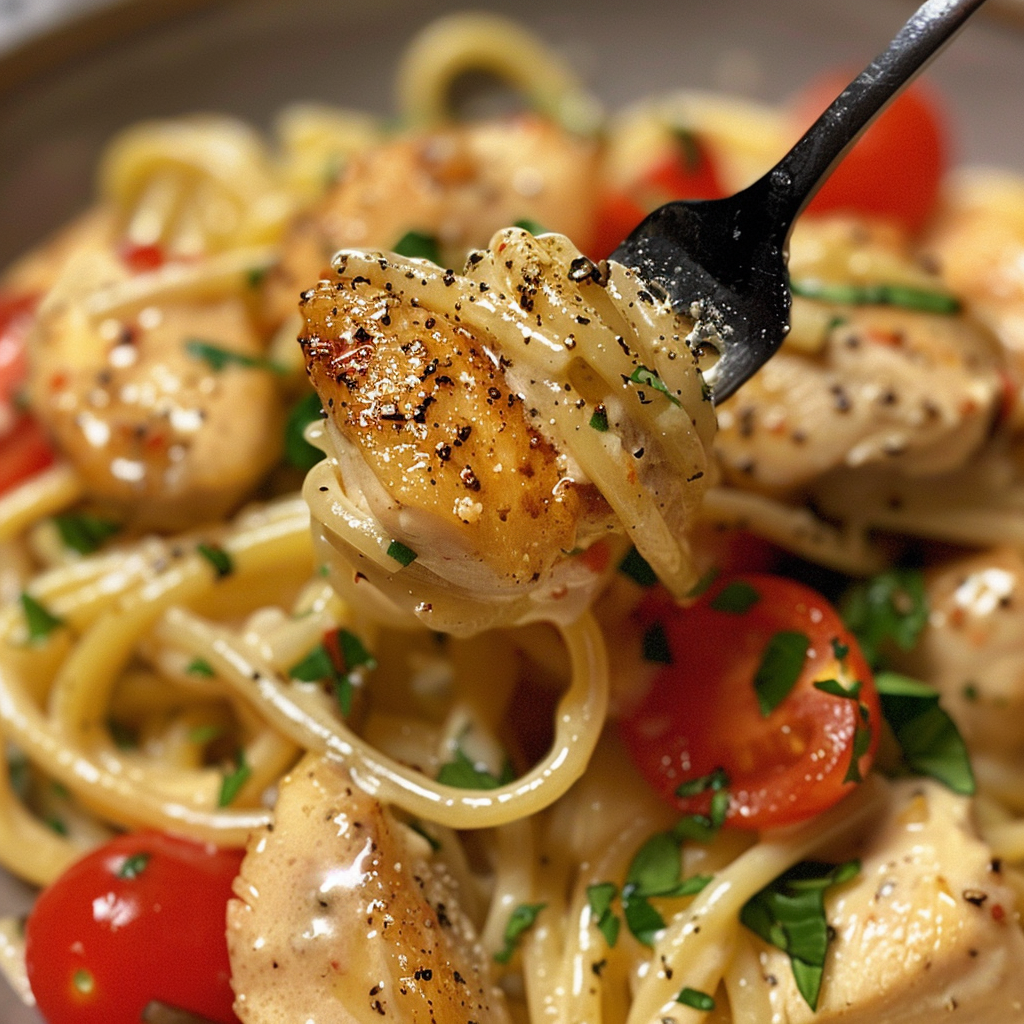
This One-Pot Creamy Lemon Garlic Chicken Pasta with Asparagus and Cherry Tomatoes delivers what weeknight cooking demands: real flavor without a sink full of dishes. The technique matters more than the ingredients — searing properly, timing the vegetable additions, keeping the heat low when adding cream. Nail those steps, and you’ll have a bright, satisfying meal that feels intentional rather than thrown together.
The best part? Once you understand why each step works, you can adapt this formula to whatever vegetables look good at the market or whatever protein needs using up. Master the method, and the variations become endless.
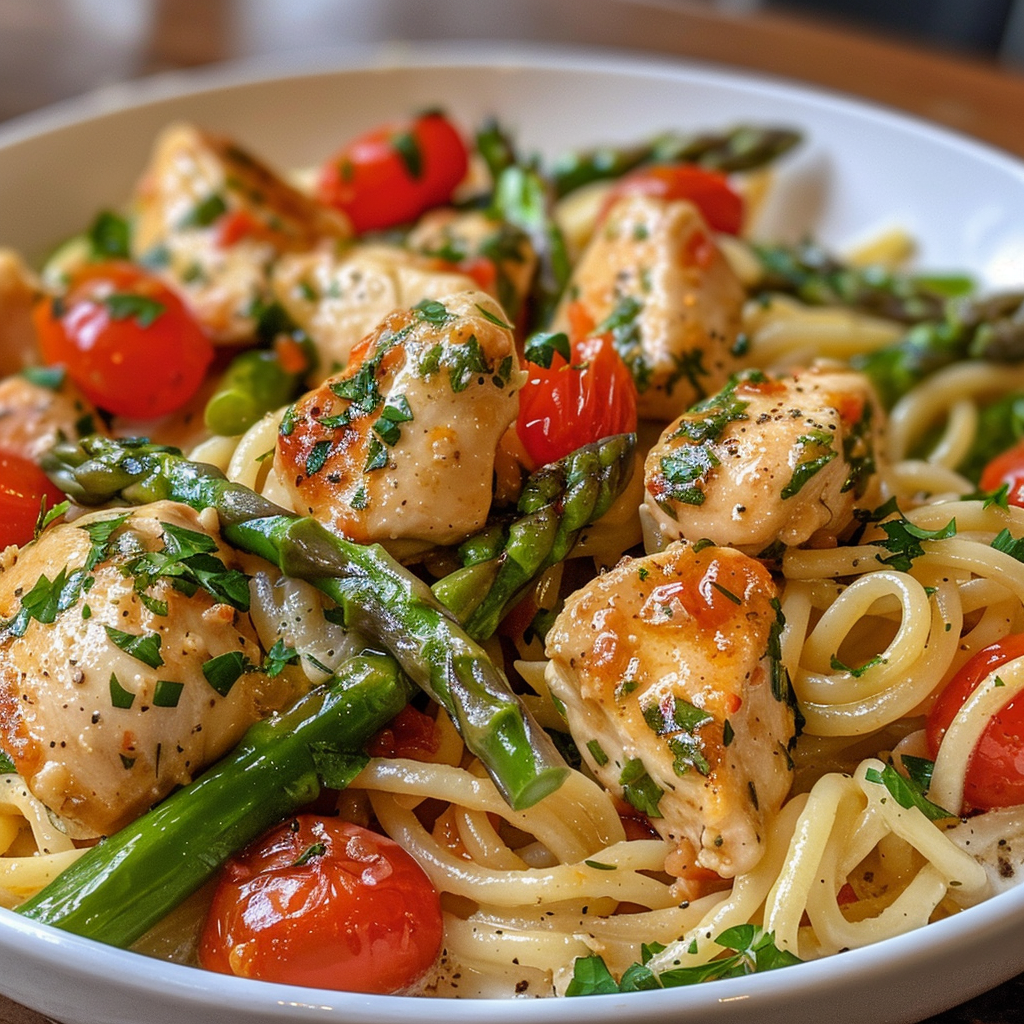
One-Pot Creamy Lemon Chicken & Asparagus Pasta
Ingredients
Method
- Trim 1 medium bunch asparagus and cut crosswise into 1-inch pieces. Finely grate the zest of 1 medium lemon (about 2 teaspoons). Juice the lemon until you have 2 tablespoons. Pat 1 pound boneless, skinless chicken breasts dry with paper towels and cut into 1/2-inch-wide strips. Season the chicken all over with 1/2 teaspoon of the kosher salt and 1/4 teaspoon black pepper.
- Heat 1 tablespoon of the olive oil in a Dutch oven or large pot over medium-high heat until shimmering. Add the chicken in a single layer and cook, flipping occasionally, until cooked through and browned all over, 5 to 8 minutes total. Transfer the chicken to a plate.
- Add 3 cups water, 1 cup heavy cream, the remaining 2 tablespoons olive oil, remaining 1 3/4 teaspoons kosher salt, and 12 ounces short dried pasta to the Dutch oven, and stir to combine. Bring to a boil over high heat. Continue to boil, stirring occasionally with a wooden spoon to prevent the pasta from sticking to the bottom of the pot, until the pasta is 2 minutes less than al dente, 5 to 9 minutes depending on the pasta shape. Meanwhile, finely grate 1 ounce Parmesan cheese (about 1/2 cup lightly packed) if needed, or measure out 1/3 cup store-bought.
- Add the asparagus to the pasta and stir to combine. Cook until the asparagus is crisp-tender and pasta is al dente, 1 to 2 minutes.
- Remove the pot from the heat. Return the chicken and any accumulated juices on the plate to the pot and add the lemon zest, juice, and Parmesan cheese. Stir until well-combined and the pasta is coated with the cheese. Taste and season with more kosher salt as needed.
- Recipe Notes
Nutrition
Notes
- To ensure perfectly cooked chicken, look for a golden-brown exterior and an internal temperature of 165°F (75°C). This helps achieve that juicy tenderness.
- Prevent the sauce from breaking by adding the heavy cream gradually and stirring continuously, especially when bringing the mixture to a boil.
- If you're short on time, consider using pre-cooked rotisserie chicken; just add it back in during the last few minutes of cooking to warm through.
- For a lighter option, substitute half of the heavy cream with chicken broth or a mix of Greek yogurt and water for a creamy texture with fewer calories.
- Store any leftovers in an airtight container in the fridge for up to 3 days. Reheat gently on the stovetop over low heat, adding a splash of water or broth to maintain creaminess.