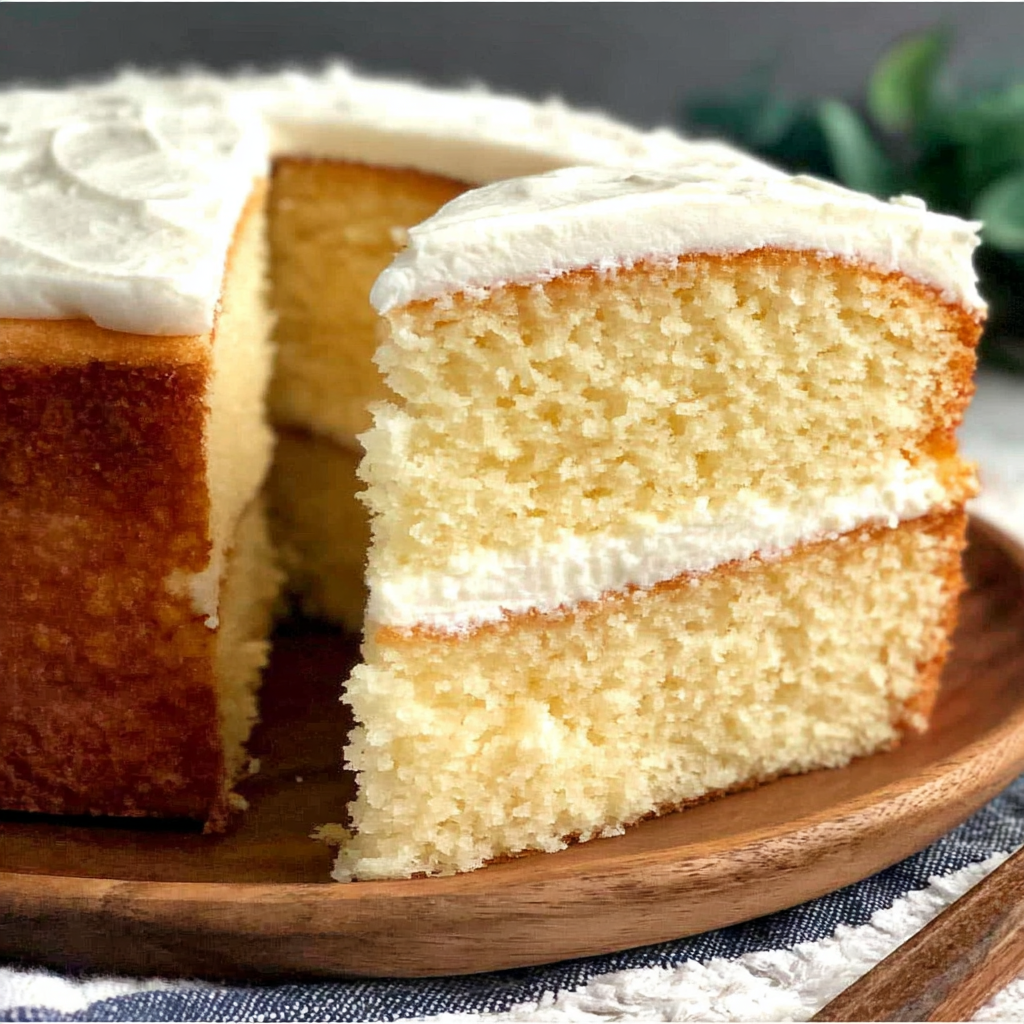
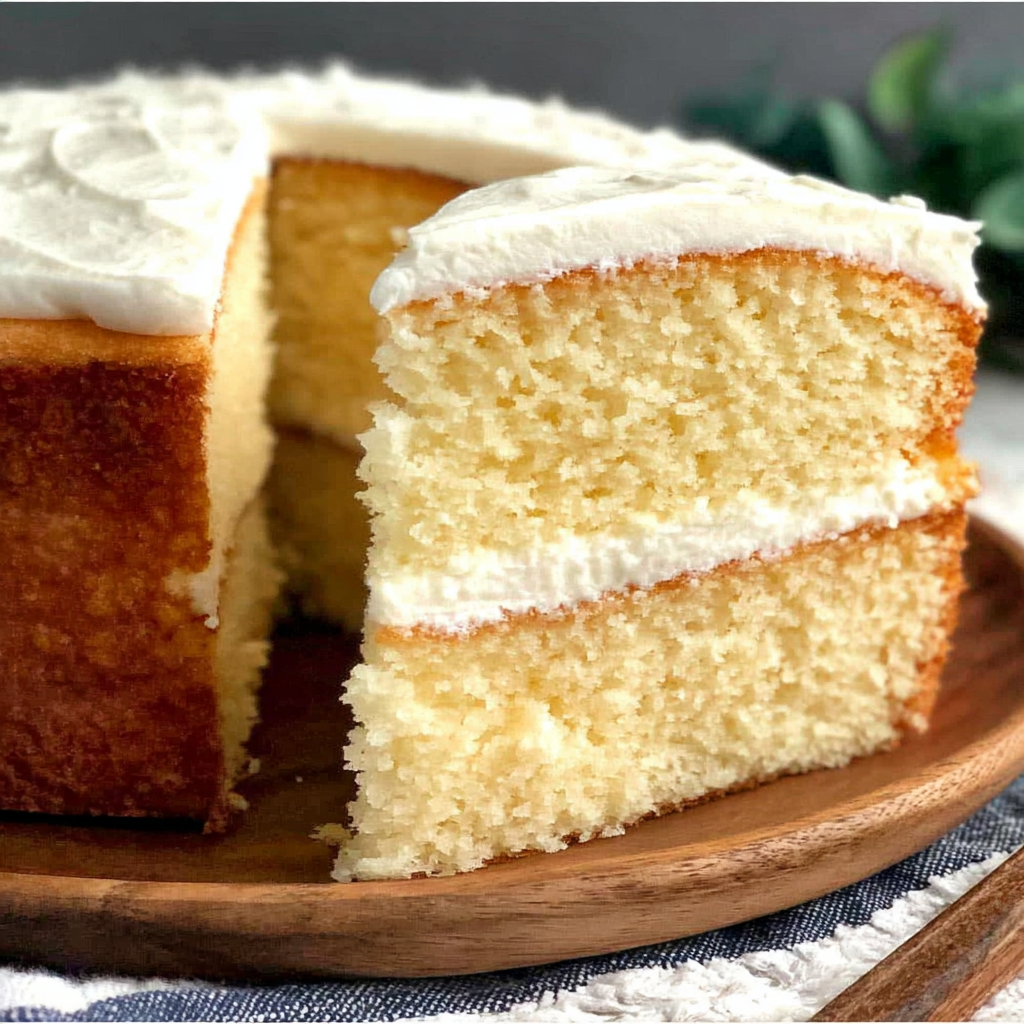
Light and Airy Vanilla Cake for Every Occasion
Ingredients
Method
- Preheat the oven to 350°F (175°C) and prepare your cake pans.
- In a large mixing bowl, cream the butter and sugar until light and fluffy.
- Add eggs one at a time, mixing well after each addition.
- Mix in the vanilla extract just until combined.
- In a separate bowl, whisk together the flour, baking powder, and salt.
- Gradually add the dry ingredients to the wet mixture, alternating with the milk.
- Pour the batter into the prepared cake pans and smooth the tops.
- Bake for 25-30 minutes or until a toothpick inserted into the center comes out clean.
- Let the cakes cool in the pans for 10 minutes before transferring to wire racks.
- Frost and decorate as desired once completely cooled.
Tried this recipe?
Let us know how it was!Introduction
Baking a cake from scratch is a delightful way to express creativity in the kitchen, and there's nothing quite like a fluffy homemade vanilla cake to bring joy to any table. This cake serves as a perfect base for countless variations, from simple gatherings to special celebrations. With its tender crumb and rich flavor, it is bound to impress your family and friends.
The beauty of this cake lies in its simplicity and versatility. Paired with fresh berries, whipped cream, or a classic buttercream frosting, it transitions effortlessly from a weekday treat to a stunning centerpiece for parties. Whether you're a seasoned baker or a beginner, this fluffy vanilla cake will quickly become a go-to recipe in your collection.
Ingredients
- 2 cups all-purpose flour
All-purpose flour provides the structure for the cake. Its moderate protein content creates a balance between tenderness and strength, ensuring the cake rises well and has a light crumb. - 1 ½ cups granulated sugar
Sugar not only sweetens the cake but also contributes to its texture. It helps to create the fluffy consistency by incorporating air during the creaming stage. - ½ cup unsalted butter, softened
Butter adds richness and flavor to the cake, making it moist. It also plays a vital role in the cake's texture by helping to form air pockets when creamed with sugar. - 1 cup whole milk
Whole milk adds moisture and fat, enriching the flavor and helping to create a tender cake. It also activates the leavening agents for proper rising. - 3 large eggs
Eggs provide structure and stability to the cake. They also add moisture and richness, with the egg whites contributing to leavening and fluffiness. - 2 ½ teaspoons baking powder
Baking powder is a leavening agent that helps the cake rise by producing carbon dioxide when it reacts with moisture and heat. Proper measurement is critical for achieving the desired fluffiness. - 1 teaspoon vanilla extract
Vanilla extract enhances the overall flavor of the cake, complementing the sweetness and providing warm, aromatic notes that elevate the taste profile. - ½ teaspoon salt
Salt balances the sweetness and enhances all the flavors in the cake. It also strengthens the gluten structure, contributing to the cake’s overall stability.
Directions & Preparation
Step 1: Preheat the oven to 350°F (175°C) and prepare your cake pans.
Preheating the oven ensures that the cake begins cooking at the right temperature, which is crucial for proper rising. Prepare your pans by greasing them and lining the bottoms with parchment paper to prevent sticking.
Step 2: In a large mixing bowl, cream the butter and sugar until light and fluffy.
Creaming the butter and sugar together incorporates air, which is essential for achieving a light texture. This process should take about 4-5 minutes. Look for the mixture to become pale in color and fluffy.
Step 3: Add eggs one at a time, mixing well after each addition.
Adding the eggs gradually helps to maintain the emulsion between fat and liquid, preventing separation. Ensure each egg is fully incorporated before adding the next for uniform texture.
Step 4: Mix in the vanilla extract just until combined.
Adding vanilla at this stage infuses the batter with rich flavor. Avoid overmixing to prevent developing gluten, which could make the cake dense.
Step 5: In a separate bowl, whisk together the flour, baking powder, and salt.
This step is vital for equally distributing the baking powder and salt throughout the flour. It prevents any clumps and ensures even rising when mixed into the wet ingredients.
Step 6: Gradually add the dry ingredients to the wet mixture, alternating with the milk.
Alternating additions help prevent overmixing, which can lead to a tough cake. Mix until just combined, ensuring no dry flour remains visible for the best fluffy texture.
Step 7: Pour the batter into the prepared cake pans and smooth the tops.
Smoothing the tops helps ensure even rising during baking. Gently tap the pans on the counter to release any air bubbles trapped in the batter, promoting even cooking.
Step 8: Bake for 25-30 minutes or until a toothpick inserted into the center comes out clean.
Baking time can vary based on your oven and pan size, so start checking at the lower end. The toothpick test is key to avoiding overbaking, which can dry out the cake.
Step 9: Let the cakes cool in the pans for 10 minutes before transferring to wire racks.
Cooling in the pans initially helps set the structure, making them less likely to crumble. Afterward, cooling on a wire rack ensures even cooling without creating a soggy bottom.
Step 10: Frost and decorate as desired once completely cooled.
Waiting for the cakes to cool completely before frosting is essential for preventing the frosting from melting. This cake pairs well with various frostings and toppings!

Tips for the Perfect Rise
Achieving a perfect rise in your vanilla cake is all about precision and technique. Start by meticulously measuring your ingredients, particularly the leavening agents. Ensure your baking powder is fresh for maximum effectiveness. When creaming butter and sugar, pay attention to the texture—aim for a light, fluffy result. Avoid opening the oven door during the first 20 minutes to maintain a consistent temperature, which is crucial for proper rising.
Substitutions for Dietary Needs
If you need to make substitutions for dietary reasons, there are some effective alternatives without sacrificing texture. For a dairy-free version, use almond milk or a dairy-free butter substitute. For the eggs, you can replace each with ¼ cup of unsweetened applesauce or a commercially available egg replacer. These substitutions yield a cake that remains fluffy and delicious, perfect for various dietary preferences.
Layering for Extra Flavor
To elevate your vanilla cake, consider incorporating layers filled with different flavors or textures. A layer of fruit preserves, chocolate ganache, or flavored buttercream can add depth and complexity. Experiment with flavorings, such as almond extract or citrus zest, to create contrast within the layers. Additionally, brushing the cake layers with simple syrup enhances moisture, ensuring the cake remains irresistibly tender.
FAQs
What can I do if my cake didn't rise properly?
If your cake didn't rise, it may be due to expired baking powder or insufficient creaming of the butter and sugar. Check ingredient freshness and ensure your oven is preheated correctly.
Can I adjust the recipe to make cupcakes instead?
Yes, this recipe is very flexible for cupcakes! You can fill muffin tins and bake for about 18-20 minutes, ensuring they are fully cooked using the toothpick test.
What causes my cake to be too dense?
Dense cake can result from overmixing the batter or using too much flour. Ensure you measure accurately and mix just until combined to retain a light texture.
How can I enhance the flavor of my vanilla cake?
To enhance flavor, consider adding spices such as nutmeg or cinnamon, or using high-quality vanilla extract. Adding a pinch of lemon zest can also brighten the overall taste.
Is it possible to bake this cake in a single pan?
Yes, you can bake the batter in a single pan for a thicker layer; just adjust the baking time accordingly and check doneness by inserting a toothpick.
What if my cake turns out too sweet?
If your cake is overly sweet, consider reducing the sugar slightly next time, or balance it with a tangy frosting to offset the sweetness.
Conclusion
This fluffy homemade vanilla cake is a testament to the joy of baking and its ability to create memorable moments. Whether decorated elegantly or savored plain, it captivates taste buds and warms hearts. With simple techniques and quality ingredients, you can master this recipe and adapt it to your unique preferences.
Baking at home invites creativity and experimentation, so feel free to explore different flavor combinations and toppings. Share this delightful cake with your loved ones, and enjoy the pleasure of seeing them smile as they take their first bite.
Recipe Card
Light and Airy Vanilla Cake for Every Occasion
Ingredients
Method
- Preheat the oven to 350°F (175°C) and prepare your cake pans.
- In a large mixing bowl, cream the butter and sugar until light and fluffy.
- Add eggs one at a time, mixing well after each addition.
- Mix in the vanilla extract just until combined.
- In a separate bowl, whisk together the flour, baking powder, and salt.
- Gradually add the dry ingredients to the wet mixture, alternating with the milk.
- Pour the batter into the prepared cake pans and smooth the tops.
- Bake for 25-30 minutes or until a toothpick inserted into the center comes out clean.
- Let the cakes cool in the pans for 10 minutes before transferring to wire racks.
- Frost and decorate as desired once completely cooled.
Tried this recipe?
Let us know how it was!Notes
Additional serving suggestions: pair with a crisp salad, garlic bread, or roasted seasonal vegetables for balance.
For make-ahead, prep components separately and assemble just before heating to preserve texture.
Taste and adjust with acid (lemon/vinegar) and salt right at the end to wake up flavors.