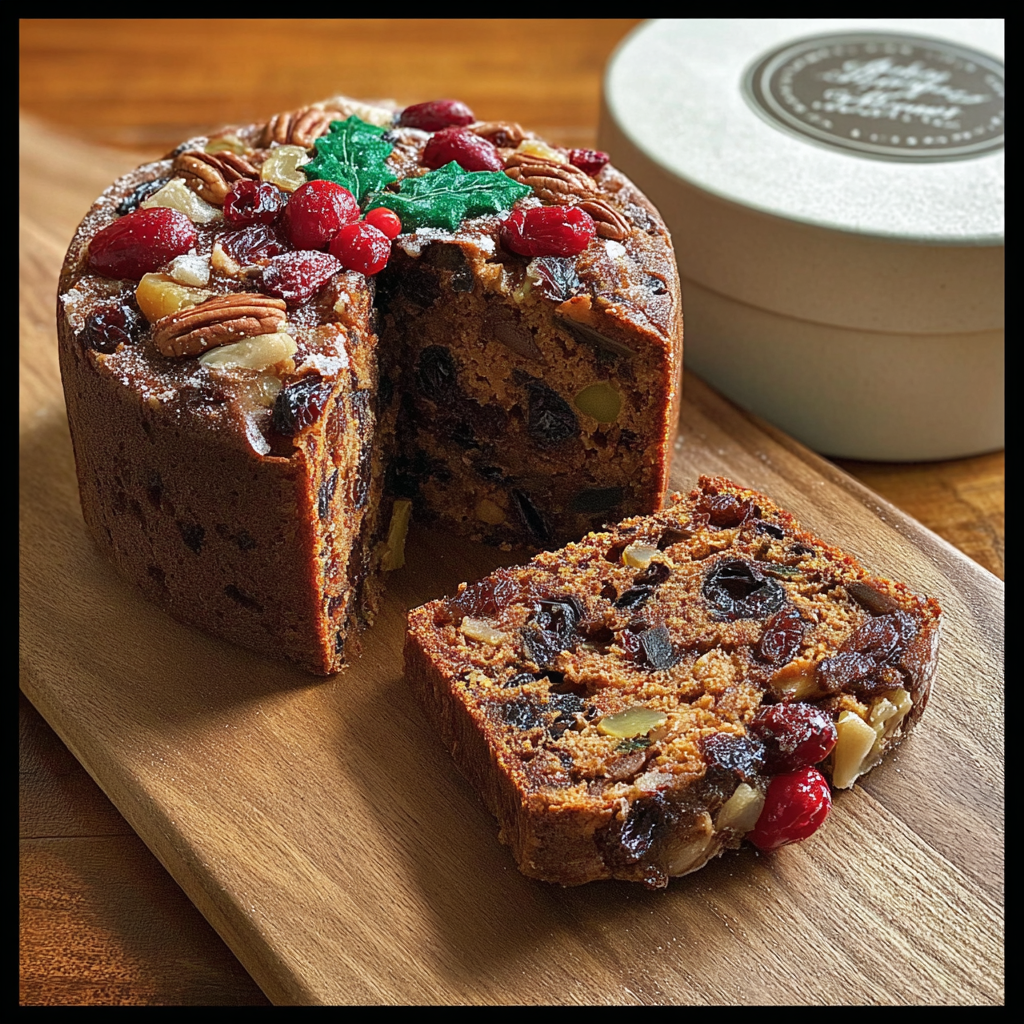
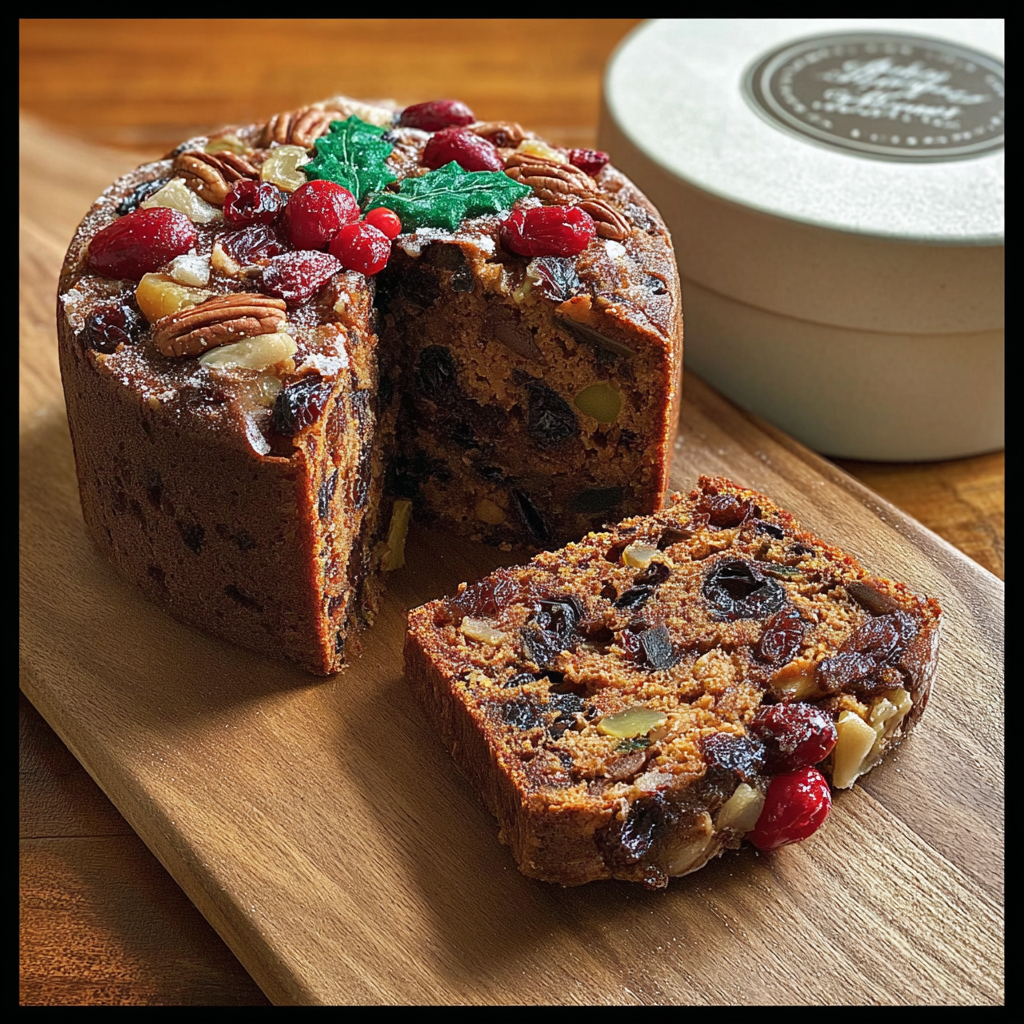
Journey to Flavorful Fruitcake Nirvana
Ingredients
Method
- Preheat your oven to 325°F (160°C).
- Prepare a bundt pan by greasing it thoroughly and dusting with flour.
- In a bowl, mix together the dried fruits, candied citrus peel, and chopped walnuts.
- In a separate bowl, whisk together the flour, baking powder, baking soda, cinnamon, nutmeg, and salt.
- In a large mixing bowl, cream together the softened butter and brown sugar until light and fluffy.
- Add the eggs one at a time, mixing well after each addition.
- Gradually mix in the dry ingredients, alternating with brandy (or orange juice) until just combined.
- Fold the mixed fruits and nuts gently into the batter until evenly distributed.
- Pour the batter into the prepared bundt pan and smooth the top.
- Bake for 50-60 minutes or until a toothpick inserted comes out clean.
- Allow the cake to cool in the pan for 15 minutes before transferring to a wire rack.
- Once completely cool, wrap the cake in plastic wrap and let it rest for at least 24 hours before serving.
Tried this recipe?
Let us know how it was!Introduction
Fruitcake often gets a bad reputation, but when crafted with care, it transforms into a true culinary masterpiece. It is a celebration of flavors and aromas, enticing even the most reluctant dessert lovers. Each bite reveals the harmony of fruit, nuts, and aromatic spices, creating a symphony on the palate.
Many view fruitcake as a holiday relic, dry and dense, but this recipe aims to elevate it into a work of art. With a medley of sun-dried fruits and the warmth of spices, this cake becomes a rich, moist dessert that deserves a place at any festive table. It's not just a cake; it’s an experience, ready to redefine your notions of fruitcake.
Ingredients
- 2 cups mixed dried fruit
A mix of raisins, apricots, cranberries, and figs provides a natural sweetness and chewy texture. These fruits are packed with flavor and moisture, crucial for a rich fruitcake. - 1 cup candied citrus peel
Candied citrus peel brightens the cake with zesty notes and a slight chew, enhancing complexity. It adds both sweetness and acidity, balancing the richer flavors. - 1 cup walnuts, chopped
Walnuts lend a crunchy contrast to the soft cake. Their earthy flavor complements the fruit and creates a satisfying texture that elevates each bite. - 1 1/2 cups all-purpose flour
All-purpose flour acts as the backbone of the cake, providing structure. It helps bind the ingredients together while ensuring a moist crumb. - 1 tsp baking powder
Baking powder aids in leavening the cake, giving it a lightness that counteracts the density of the dried fruits and nuts. - 1/2 tsp baking soda
A small amount of baking soda helps with browning and contributes to a tender crumb, complementing the effects of baking powder. - 1 tsp ground cinnamon
Ground cinnamon adds warmth and spice, permeating the cake with its aromatic qualities. This vital ingredient enhances the overall flavor profile. - 1/2 tsp ground nutmeg
Nutmeg introduces a slightly sweet and nutty flavor, providing depth and a festive quality that resonates beautifully with the fruit. - 1/4 tsp salt
Salt enhances all flavors, ensuring that the sweetness doesn’t overwhelm. It balances the cake and brings out the richness of the fruits and nuts. - 1 cup unsalted butter, softened
Butter contributes richness and moisture, creating a tender texture. Its fat content also helps to elevate the cake’s flavor while adding a luxurious mouthfeel. - 1 cup brown sugar, packed
Brown sugar not only sweetens the cake but also adds a caramel-like flavor and moisture, resulting in a dense and rich texture. - 3 large eggs
Eggs act as a binding agent. They add structure, richness, and moisture, ultimately supporting the stability and texture of the finished cake. - 1/2 cup brandy or orange juice
Brandy infuses the cake with sophisticated flavor and moisture, enhancing the overall fruitiness. Orange juice can be used for a non-alcoholic version with vibrant citrus notes.
Directions & Preparation
Step 1: Preheat your oven to 325°F (160°C).
Preheating the oven is critical to ensure even cooking. A properly heated oven allows the cake to rise correctly from the moment it goes in, helping to achieve that perfect, fluffy texture.
Step 2: Prepare a bundt pan by greasing it thoroughly and dusting with flour.
Greasing and dusting the bundt pan prevents sticking, ensuring the cake releases smoothly. This step is essential, especially with dense cakes that contain a lot of fruit.
Step 3: In a bowl, mix together the dried fruits, candied citrus peel, and chopped walnuts.
Tossing the fruits and nuts together prevents them from sinking to the bottom during baking. This step also allows for an even distribution of flavors throughout the cake.
Step 4: In a separate bowl, whisk together the flour, baking powder, baking soda, cinnamon, nutmeg, and salt.
This dry mixture ensures that the leavening agents and spices combine well. An even distribution allows the cake to rise uniformly and provides consistent flavor.
Step 5: In a large mixing bowl, cream together the softened butter and brown sugar until light and fluffy.
Creaming the butter and sugar incorporates air into the mixture, creating a lighter batter. This step is vital for a tender cake, as it influences texture significantly.
Step 6: Add the eggs one at a time, mixing well after each addition.
Incorporating eggs individually ensures they emulsify properly into the butter-sugar mixture, resulting in a smooth, cohesive batter that helps create a fine crumb.
Step 7: Gradually mix in the dry ingredients, alternating with brandy (or orange juice) until just combined.
Mixing the dry ingredients and liquids alternately helps prevent over-mixing, which can lead to a dense cake. This technique ensures just the right amount of moisture and balance.
Step 8: Fold the mixed fruits and nuts gently into the batter until evenly distributed.
Folding ensures that the fruits are evenly dispersed without deflating the batter too much. This step maintains the cake's lightness while incorporating those delicious add-ins.
Step 9: Pour the batter into the prepared bundt pan and smooth the top.
Smoothing the batter promotes even baking and helps create a nice dome. Uneven tops could lead to undesirable shapes or uneven cooking.
Step 10: Bake for 50-60 minutes or until a toothpick inserted comes out clean.
Baking until just set is crucial to prevent overcooking. Using a toothpick as a tester helps gauge doneness accurately, as different ovens may vary in heat distribution.
Step 11: Allow the cake to cool in the pan for 15 minutes before transferring to a wire rack.
Cooling in the pan helps the cake set further while still warm, making it easier to remove while maintaining structure. Transferring it too soon may lead to breakage.
Step 12: Once completely cool, wrap the cake in plastic wrap and let it rest for at least 24 hours before serving.
Resting the cake enhances its flavors as the ingredients meld together. This crucial step transforms a good fruitcake into one that truly resonates, creating the 'nirvana' experience.

The Magic of Marinating Fruit
Soaking your dried fruits in brandy or orange juice before incorporating them into the cake is an enriching step. This marination deepens the flavors and adds a wonderful aroma. The fruits absorb liquid, becoming plump and juicy, which enhances the overall moisture of the finished cake. This extra attention to detail transforms each bite into an explosion of flavor.
Texture Matters: Finding the Right Balance
A fruitcake that is too dense can often feel heavy and uninviting. Balancing the moisture from fruit with the structure provided by flour and leavening agents is critical. Ensuring the right ratios not only supports a pleasing texture but also allows an enjoyable mouthfeel. A light yet rich cake is the goal, and achieving it requires careful attention during preparation.
Layering Flavors: Beyond Just Fruits and Nuts
The choice of spices is a defining factor in creating a memorable fruitcake. Beyond basic cinnamon and nutmeg, consider experimenting with cloves or allspice for added warmth. These flavors can enhance the fruitiness while adding depth. Layering these flavors correctly can elevate your cake, making it not just another fruitcake but a nuanced dessert experience.
FAQs
What if my fruitcake tastes too sweet?
Consider reducing the amount of brown sugar slightly or increasing the dry ingredients to balance the sweetness. Ensure the fruit used isn't overly sweet.
How can I tell if the fruitcake is underbaked?
If a toothpick inserted into the cake comes out with moist batter, it needs more time. Be cautious of overbaking, which can dry it out.
Is it possible to use fresh fruit in the recipe?
Using fresh fruit may introduce excess moisture, which can affect the cake’s structure. It's best to stick with dried fruits for stability.
Can I customize the nuts in the fruitcake?
Absolutely! Feel free to substitute walnuts with pecans or almonds based on your preferences or dietary needs, as long as they maintain the same chopped consistency.
Why is my fruitcake too dense?
Too much moisture from the fruit or not enough leavening agent can contribute to density. Make sure to measure accurately and mix enough air into your batter.
Can I reduce the amount of butter?
Reducing butter can affect the cake's richness and moisture. If needed, you might substitute with applesauce for moisture with less fat.
Conclusion
Creating a fruitcake that truly achieves nirvana is a delightful challenge that pays off with each slice. Embracing quality ingredients and allowing them to shine transforms this often-maligned dessert into something everyone will enjoy. Celebrate the process, and relish the small intricacies that lead to a masterpiece.
As you share your creation with loved ones, watch their expressions transform from skepticism to delight. This fruitcake is no ordinary dessert; it is an invitation to savor the rich tapestry of flavors. Enjoy your journey toward flavor-packed fruitcake nirvana, one delectable bite at a time.
Recipe Card
Journey to Flavorful Fruitcake Nirvana
Ingredients
Method
- Preheat your oven to 325°F (160°C).
- Prepare a bundt pan by greasing it thoroughly and dusting with flour.
- In a bowl, mix together the dried fruits, candied citrus peel, and chopped walnuts.
- In a separate bowl, whisk together the flour, baking powder, baking soda, cinnamon, nutmeg, and salt.
- In a large mixing bowl, cream together the softened butter and brown sugar until light and fluffy.
- Add the eggs one at a time, mixing well after each addition.
- Gradually mix in the dry ingredients, alternating with brandy (or orange juice) until just combined.
- Fold the mixed fruits and nuts gently into the batter until evenly distributed.
- Pour the batter into the prepared bundt pan and smooth the top.
- Bake for 50-60 minutes or until a toothpick inserted comes out clean.
- Allow the cake to cool in the pan for 15 minutes before transferring to a wire rack.
- Once completely cool, wrap the cake in plastic wrap and let it rest for at least 24 hours before serving.
Tried this recipe?
Let us know how it was!Notes
Additional serving suggestions: pair with a crisp salad, garlic bread, or roasted seasonal vegetables for balance.
For make-ahead, prep components separately and assemble just before heating to preserve texture.
Taste and adjust with acid (lemon/vinegar) and salt right at the end to wake up flavors.