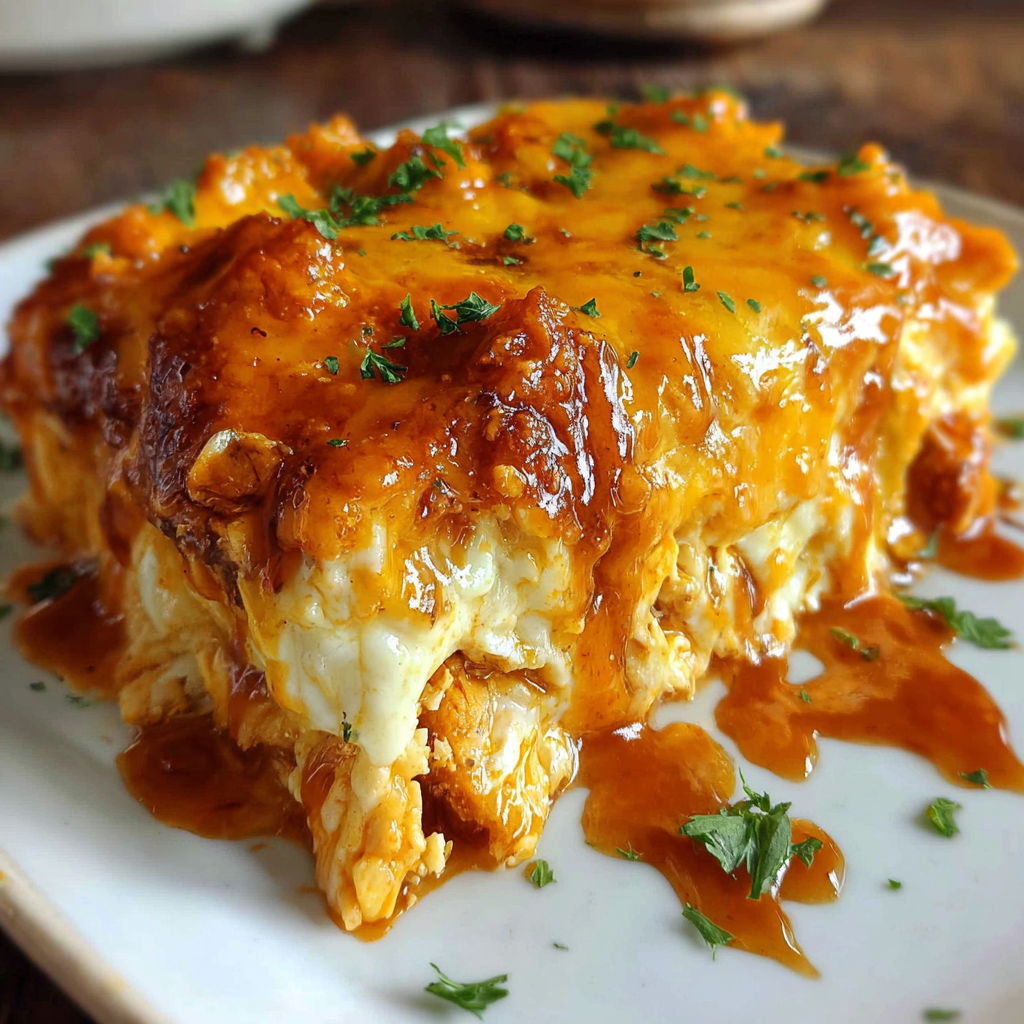
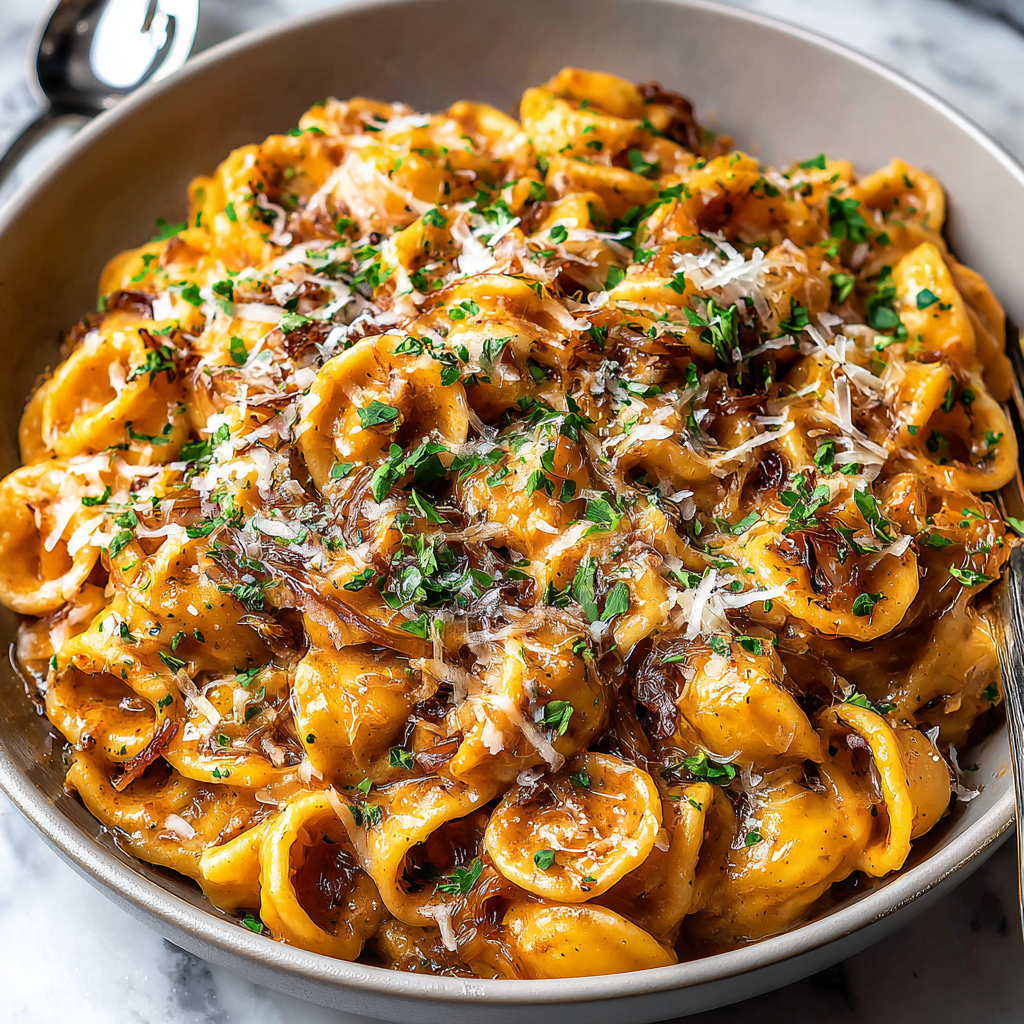
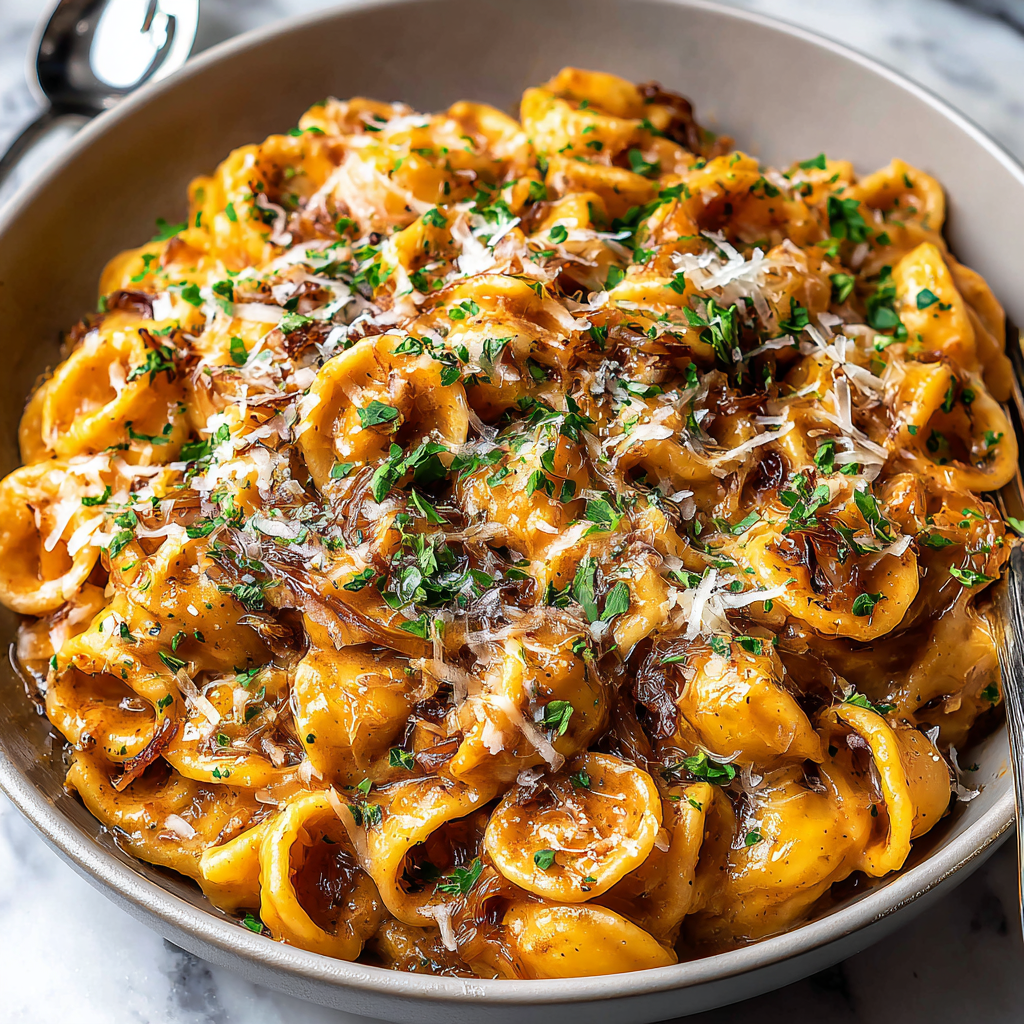
Delicious One Pot French Onion Pasta Recipe
Ingredients
Method
- Heat olive oil in a large pot over medium heat.
- Add the sliced onions and cook for 15-20 minutes, stirring frequently, until caramelized.
- Stir in minced garlic and cook for another 1-2 minutes until fragrant.
- Pour in the broth and bring to a simmer, scraping up any browned bits from the pot.
- Add the pasta and thyme, stir well, and cover, simmering for 10-12 minutes until the pasta is al dente.
- Stir in the balsamic vinegar and grated Gruyère cheese until melted and creamy.
- Season with salt and pepper to taste before serving hot.
Tried this recipe?
Let us know how it was!Introduction
Indulge in the comforting, savory flavors of French onion soup, transformed into a hearty one-pot pasta. This dish marries the essence of caramelized onions and gooey cheese with luscious pasta, creating a meal that is both satisfying and uncomplicated. Perfect for busy weeknights, it allows you to relish the joys of a classic French dish in a fraction of the time.
One Pot French Onion Pasta not only simplifies the cooking process but also minimizes cleanup, making it a true winner in home cooking. The integral caramelization of onions sets the foundation for deep, rich flavors, while the addition of creamy cheese elevates the dish to comforting heights. Gather your ingredients, and let’s embark on a delightful culinary adventure!
Ingredients
- 3 medium onions, sliced
Onions are the star of this dish, providing sweetness and depth through caramelization. They create the signature flavor reminiscent of classic French onion soup. - 3 tablespoons olive oil
Olive oil is essential for sautéing the onions, helping to soften and caramelize them while adding healthy fats. It enhances the overall richness of the dish. - 4 cloves garlic, minced
Garlic adds a fragrant kick to the dish, complementing the sweetness of the onions. Its aromatic qualities elevate the flavor profile significantly. - 4 cups vegetable or chicken broth
The broth serves as the cooking liquid for the pasta, infusing it with flavor while ensuring it remains moist and there’s plenty of sauce to coat each strand. - 12 ounces pasta (penne or fusilli)
The pasta acts as the main carbohydrate component, absorbing the broth's flavors and creating a satisfying texture that balances the rich sauce. - 1 teaspoon thyme (dried or fresh)
Thyme adds an earthy, herbaceous note that complements the sweetness of the onions and garlic, tying all the flavors together beautifully. - 1 tablespoon balsamic vinegar
Balsamic vinegar provides a hint of acidity, balancing the richness of the dish and enhancing the overall flavor profile. - 1 cup grated Gruyère cheese
Gruyère is the quintessential cheese for this dish, melting beautifully and adding a nutty, creamy richness that brings the flavors together. - Salt and pepper to taste
Seasoning is crucial for enhancing the flavors present in the dish. Adjusting salt and pepper allows for personal preference in richness and depth.
Directions & Preparation
Step 1: Heat olive oil in a large pot over medium heat.
Starting with the olive oil ensures that the pan is ready for the onions. This step is crucial as it sets the stage for a properly caramelized base that will enhance the overall flavor of the dish.
Step 2: Add the sliced onions and cook for 15-20 minutes, stirring frequently, until caramelized.
Caramelizing the onions slowly develops their natural sugars, resulting in a deep, sweet flavor. This step cannot be rushed; the gradual cooking allows for a rich foundation for the pasta.
Step 3: Stir in minced garlic and cook for another 1-2 minutes until fragrant.
Adding garlic after the onions are caramelized boosts the aromatic quality of the dish, adding another layer of flavor. Be careful not to burn the garlic as it can turn bitter.
Step 4: Pour in the broth and bring to a simmer, scraping up any browned bits from the pot.
Incorporating broth adds moisture and flavor to the dish. Scraping up the fond (brown bits from the pot) enriches the sauce, ensuring every taste counts.
Step 5: Add the pasta and thyme, stir well, and cover, simmering for 10-12 minutes until the pasta is al dente.
This step allows the pasta to absorb the flavors from the broth while cooking. Covering the pot enables steam to cook the pasta evenly, promoting a creamy texture.
Step 6: Stir in the balsamic vinegar and grated Gruyère cheese until melted and creamy.
The vinegar adds acidity which balances the richness of the dish, while the Gruyère cheese provides that quintessential cheesy texture and flavor. Stirring helps incorporate the cheese evenly.
Step 7: Season with salt and pepper to taste before serving hot.
Adjusting the seasoning at the end ensures that the flavors are well-balanced and tailored to your preference. Taste as you go for the best results.

Mastering Caramelization: The Key to Flavor
The process of caramelizing onions is fundamental in this recipe. When cooked slowly over medium heat, their natural sugars break down, turning them from sharp to sweet. This deep, golden color is not just for aesthetics; it imparts a depth of flavor that is essential in replicating that classic French onion taste. Be patient, as this step is where most of the dish's character is developed.
The Art of One-Pot Cooking
One-pot meals like this one save time and reduce cleanup, making them perfect for weeknight dinners. The layered flavors develop simultaneously, ensuring that every bite is delicious. With everything cooking together, the pasta absorbs the broth's richness while adding starch, thickening the sauce to perfection. This cooking method is not just convenient; it ensures a cohesive flavor experience.
Cheese: The Finishing Touch
Incorporating Gruyère cheese at the end transforms the pasta into a creamy and indulgent dish. Known for its melting properties, Gruyère achieves that classic cheesy pull reminiscent of fondue. Its nutty flavor complements the sweet onions perfectly, rounding out the dish. Remember, cheese is not just an ingredient; it’s the final touch that brings this dish together.
FAQs
Can I use a different type of cheese in this recipe?
Yes, cheeses like mozzarella or a mild cheddar can work, but will change the overall flavor profile. Gruyère is recommended for its melting qualities.
What if my pasta turns out too thick after cooking?
If the pasta is too thick, you can add a bit more broth or water to loosen the dish while stirring over low heat until you reach the desired consistency.
Are there any specific onion varieties I should use?
Yellow onions are traditional for French onion flavors, but sweet onions like Vidalia can also add a delightful sweetness to the dish.
Can I make this recipe vegetarian-friendly?
Absolutely, using vegetable broth instead of chicken broth will still yield a rich and satisfying dish without compromising on flavor.
What if the pasta isn't cooked evenly?
If the pasta isn't cooked through, simply add a little more broth and continue to simmer until it reaches the desired doneness.
How do I know when my pasta is perfectly al dente?
Taste a piece of pasta a minute or two before the suggested cooking time; it should be cooked through but still have a slight bite.
Conclusion
One Pot French Onion Pasta captures the essence of comfort food with minimal effort. With its rich flavors and creamy texture, it is sure to become a staple in your weeknight dinners. Each bite promises a delightful taste experience that echoes the beloved French onion soup, making it a dish everyone will look forward to.
Give this recipe a try and savor the simplicity of one-pot cooking along with the deep flavors of caramelized onions and creamy cheese. Whether enjoyed alone or with a side salad, this dish delivers warmth and satisfaction with every forkful.
Recipe Card
Delicious One Pot French Onion Pasta Recipe
Ingredients
Method
- Heat olive oil in a large pot over medium heat.
- Add the sliced onions and cook for 15-20 minutes, stirring frequently, until caramelized.
- Stir in minced garlic and cook for another 1-2 minutes until fragrant.
- Pour in the broth and bring to a simmer, scraping up any browned bits from the pot.
- Add the pasta and thyme, stir well, and cover, simmering for 10-12 minutes until the pasta is al dente.
- Stir in the balsamic vinegar and grated Gruyère cheese until melted and creamy.
- Season with salt and pepper to taste before serving hot.
Tried this recipe?
Let us know how it was!Notes
Additional serving suggestions: pair with a crisp salad, garlic bread, or roasted seasonal vegetables for balance.
For make-ahead, prep components separately and assemble just before heating to preserve texture.
Taste and adjust with acid (lemon/vinegar) and salt right at the end to wake up flavors.