
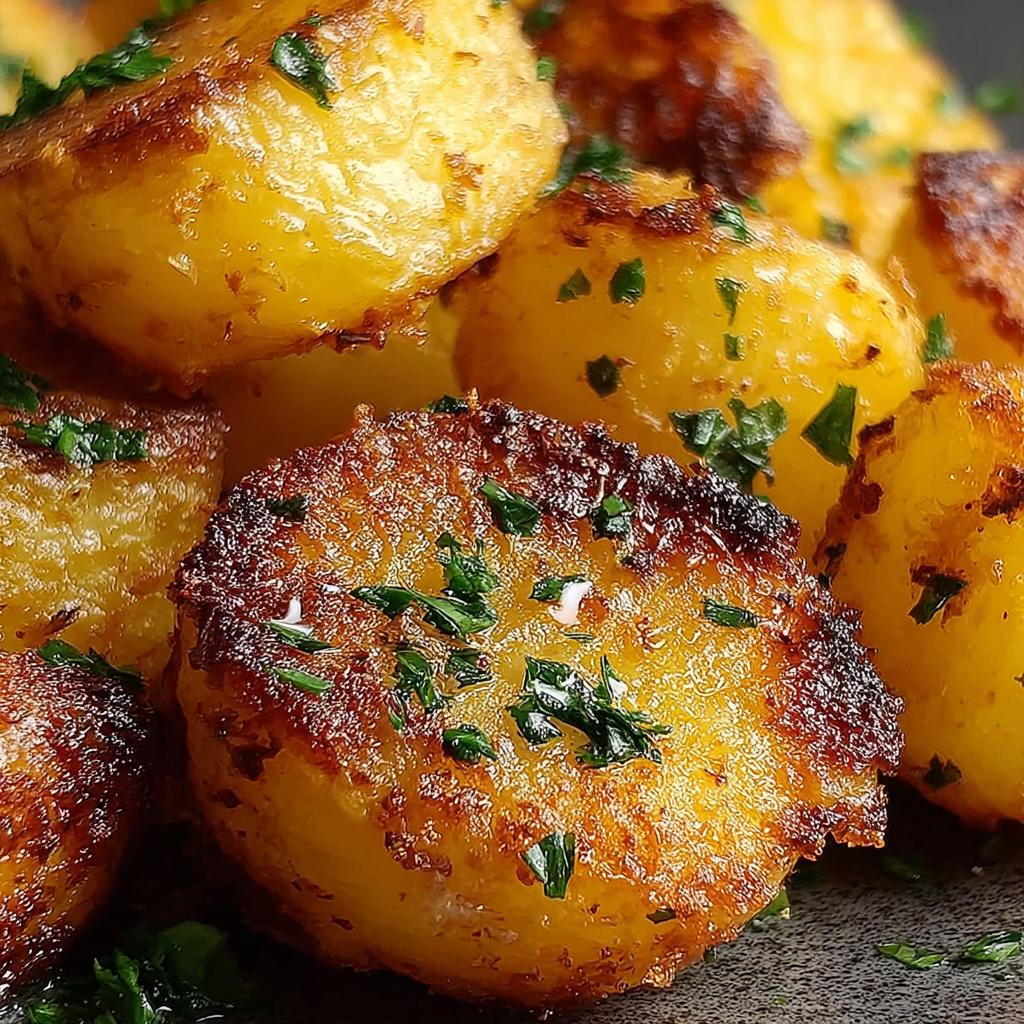
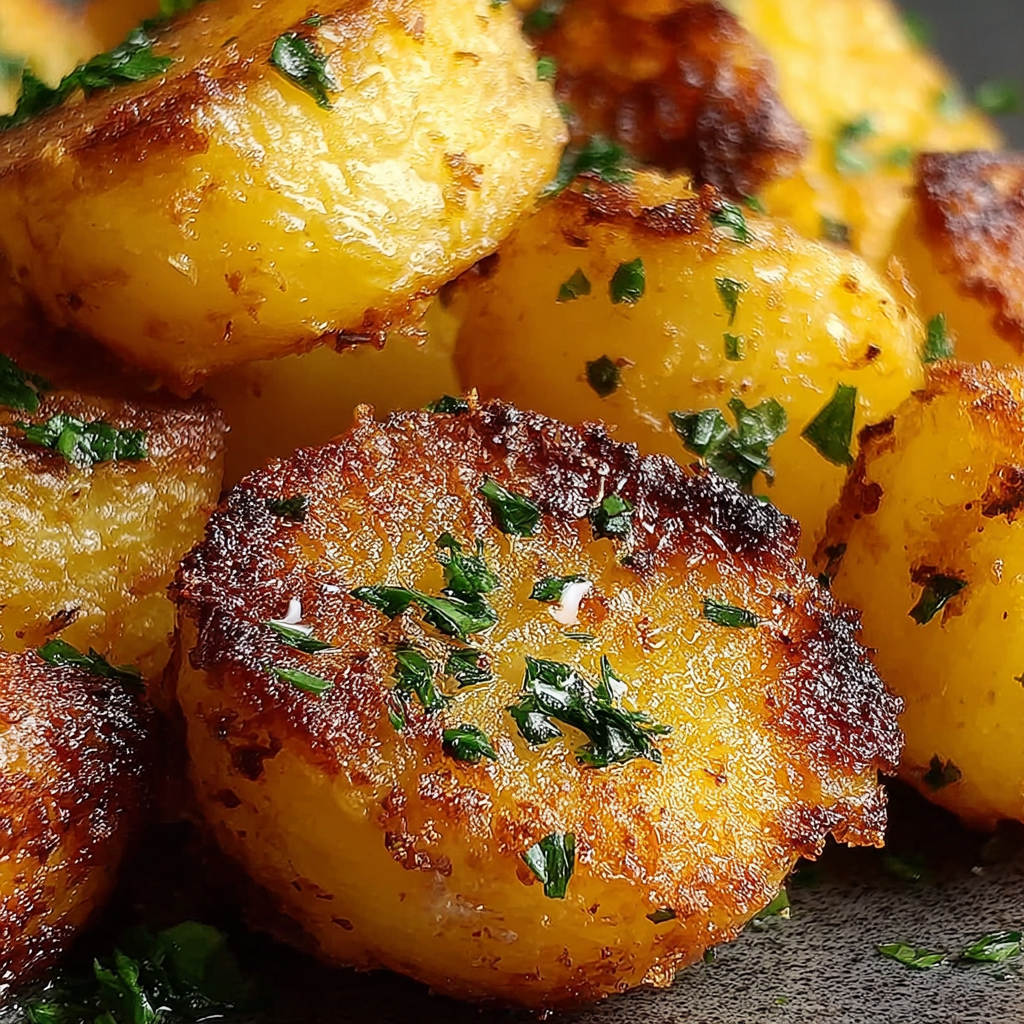
Crispy and Flavorful Homemade Roast Potatoes
Ingredients
Method
- Preheat the oven to 425°F (220°C).
- Wash and peel the potatoes, then cut them into even chunks.
- Place the potato chunks in a large pot and cover with cold water.
- Add a pinch of salt and bring the pot to a boil.
- Boil the potatoes for about 10 minutes until just tender but not falling apart.
- Drain the potatoes and let them steam dry for a few minutes.
- In a large mixing bowl, toss the potatoes with olive oil, salt, pepper, garlic powder, and rosemary.
- Spread the potatoes out in a single layer on a baking sheet.
- Roast in the preheated oven for 25-30 minutes, flipping halfway.
- Remove from the oven and let them cool slightly before serving.
Tried this recipe?
Let us know how it was!Introduction
There's something undeniably comforting about a plate of perfectly roasted potatoes. Crispy on the outside and fluffy on the inside, they can elevate any meal, whether as a side for roast chicken or a main for a vegetarian feast. Making them at home allows you to adjust flavors and textures to your liking.
Roasting potatoes might seem simple, but it's an art that requires attention to detail. From selecting the right type of potato to managing the heat, every step plays a vital role in creating those golden-brown, crunchy bites that everyone loves. Let's dive into the process of crafting these delicious homemade roast potatoes.
Ingredients
- 2 pounds of Yukon Gold potatoes
Yukon Golds have a creamy texture and a natural buttery flavor, making them perfect for roasting. Their thin skins crisp up beautifully, while the insides stay fluffy. - 4 tablespoons of olive oil
Olive oil adds richness and helps achieve that desirable crispy exterior. Its high smoke point also allows for high-temperature roasting without burning. - 2 teaspoons of sea salt
Salt enhances the natural flavor of the potatoes and plays a key role in creating an appealing crust. It penetrates the surface, elevating the overall taste. - 1 teaspoon of black pepper
Freshly ground black pepper adds a subtle heat and complexity to the potatoes, balancing their richness and brightening their flavor. - 1 teaspoon of garlic powder
Garlic powder provides an underlying savory note that complements the potatoes beautifully, intensifying their flavor without overwhelming them. - 1 tablespoon of fresh rosemary, chopped
Rosemary contributes an aromatic and earthy flavor that pairs wonderfully with potatoes. Its oils infuse the dish, enhancing the overall experience.
Directions & Preparation
Step 1: Preheat the oven to 425°F (220°C).
Preheating the oven ensures that the potatoes begin cooking immediately when placed inside, promoting even browning and crisping. A high temperature is crucial for achieving that coveted roasted texture.
Step 2: Wash and peel the potatoes, then cut them into even chunks.
Cutting the potatoes into uniform pieces ensures they cook evenly, avoiding undercooked or burnt bits. Aim for 1 to 2-inch chunks for the best roasting results.
Step 3: Place the potato chunks in a large pot and cover with cold water.
Starting the potatoes in cold water helps them cook evenly. This initial soak also aids in removing excess starch, contributing to a fluffier interior after roasting.
Step 4: Add a pinch of salt and bring the pot to a boil.
Adding salt to the boiling water seasons the potatoes from the inside out, enhancing their overall flavor. Once the water reaches a boil, the potatoes can start softening.
Step 5: Boil the potatoes for about 10 minutes until just tender but not falling apart.
Parboiling softens the potatoes, setting the stage for that fluffy inside. Overcooking them at this stage could result in mushy potatoes after roasting.
Step 6: Drain the potatoes and let them steam dry for a few minutes.
Allowing the potatoes to steam dry after draining helps remove moisture, which is crucial for crispiness. Excess water can lead to soggy potatoes instead of a crispy texture.
Step 7: In a large mixing bowl, toss the potatoes with olive oil, salt, pepper, garlic powder, and rosemary.
Coating the potatoes evenly with oil and seasonings ensures every bite is flavorful. The oil helps create that crispy skin while allowing spices to adhere better.
Step 8: Spread the potatoes out in a single layer on a baking sheet.
Spacing the potatoes out prevents steaming, which can occur if they are crowded. Ensuring they are in a single layer will promote even browning and crispiness.
Step 9: Roast in the preheated oven for 25-30 minutes, flipping halfway.
Flipping the potatoes allows them to brown evenly on all sides. The high oven temperature promotes a Maillard reaction, resulting in a deliciously crispy exterior.
Step 10: Remove from the oven and let them cool slightly before serving.
Allowing the roast potatoes to cool for a few minutes before serving enhances their flavor and texture. It also helps retain some heat while you finalize your meal.

Selecting the Perfect Potatoes
Choosing the right type of potato is crucial for achieving optimal results. Starchy potatoes like Russets will give you a fluffy interior, while waxy varieties like Yukon Golds offer a creamier texture. For roast potatoes, a starchy or all-purpose potato strikes a balance, ensuring deliciously crispy exteriors with tender insides.
The Role of Seasoning in Roasting
Seasoning is a game-changer when roasting potatoes. Beyond salt and pepper, you can experiment with herbs and spices to ascend the flavor profile. Garlic, rosemary, thyme, and even paprika can transform ordinary roast potatoes into a culinary delight, enhancing their taste and aroma with each bite.
Understanding the Importance of Boiling
Boiling potatoes before roasting might seem unnecessary, but it serves a vital role. This technique softens the potatoes and aids in moisture reduction. The result is a perfect texture where the shells can crisp up beautifully while the insides remain fluffy and flavorful.
FAQs
What if my potatoes are too brown on one side?
If your potatoes are browning unevenly, ensure that they are spread out properly in a single layer. During roasting, remember to flip them halfway to achieve even cooking.
Can I roast potatoes with other vegetables?
Absolutely! Roasting potatoes with vegetables like carrots, bell peppers, or onions adds various flavors and textures. Just ensure they have similar roasting times for optimal results.
How can I make my roast potatoes crispier?
To achieve crispier potatoes, make sure to thoroughly dry them after boiling and use enough oil. A hotter oven temperature can also enhance crispening.
What if I run out of fresh rosemary?
If fresh rosemary isn’t available, you can use dried rosemary, but use it sparingly, as its flavor is more concentrated. Alternatively, try dried thyme or oregano for a different flavor profile.
What should I do if my potatoes are too soft after boiling?
If your potatoes become too soft during boiling, reduce the boiling time next time to ensure they have enough firmness. This will help them hold their shape when roasting.
Can I use sweet potatoes instead of regular potatoes?
Yes, sweet potatoes can be roasted similarly and will yield a different flavor and sweetness. Just keep in mind they may require a slightly different cooking time.
Conclusion
Homemade roast potatoes truly can transform any meal into something special. With the right technique and seasoning, they become crispy, flavorful morsels that delight the palate. Their versatility allows for countless variations, ensuring there’s a perfect roast potato recipe for every taste.
So gather your ingredients, preheat the oven, and enjoy the process of creating a satisfying side dish. Remember, every step counts, from the potato selection to the final roasting, so take your time and savor the results.
Recipe Card
Crispy and Flavorful Homemade Roast Potatoes
Ingredients
Method
- Preheat the oven to 425°F (220°C).
- Wash and peel the potatoes, then cut them into even chunks.
- Place the potato chunks in a large pot and cover with cold water.
- Add a pinch of salt and bring the pot to a boil.
- Boil the potatoes for about 10 minutes until just tender but not falling apart.
- Drain the potatoes and let them steam dry for a few minutes.
- In a large mixing bowl, toss the potatoes with olive oil, salt, pepper, garlic powder, and rosemary.
- Spread the potatoes out in a single layer on a baking sheet.
- Roast in the preheated oven for 25-30 minutes, flipping halfway.
- Remove from the oven and let them cool slightly before serving.
Tried this recipe?
Let us know how it was!Notes
Additional serving suggestions: pair with a crisp salad, garlic bread, or roasted seasonal vegetables for balance.
For make-ahead, prep components separately and assemble just before heating to preserve texture.
Taste and adjust with acid (lemon/vinegar) and salt right at the end to wake up flavors.