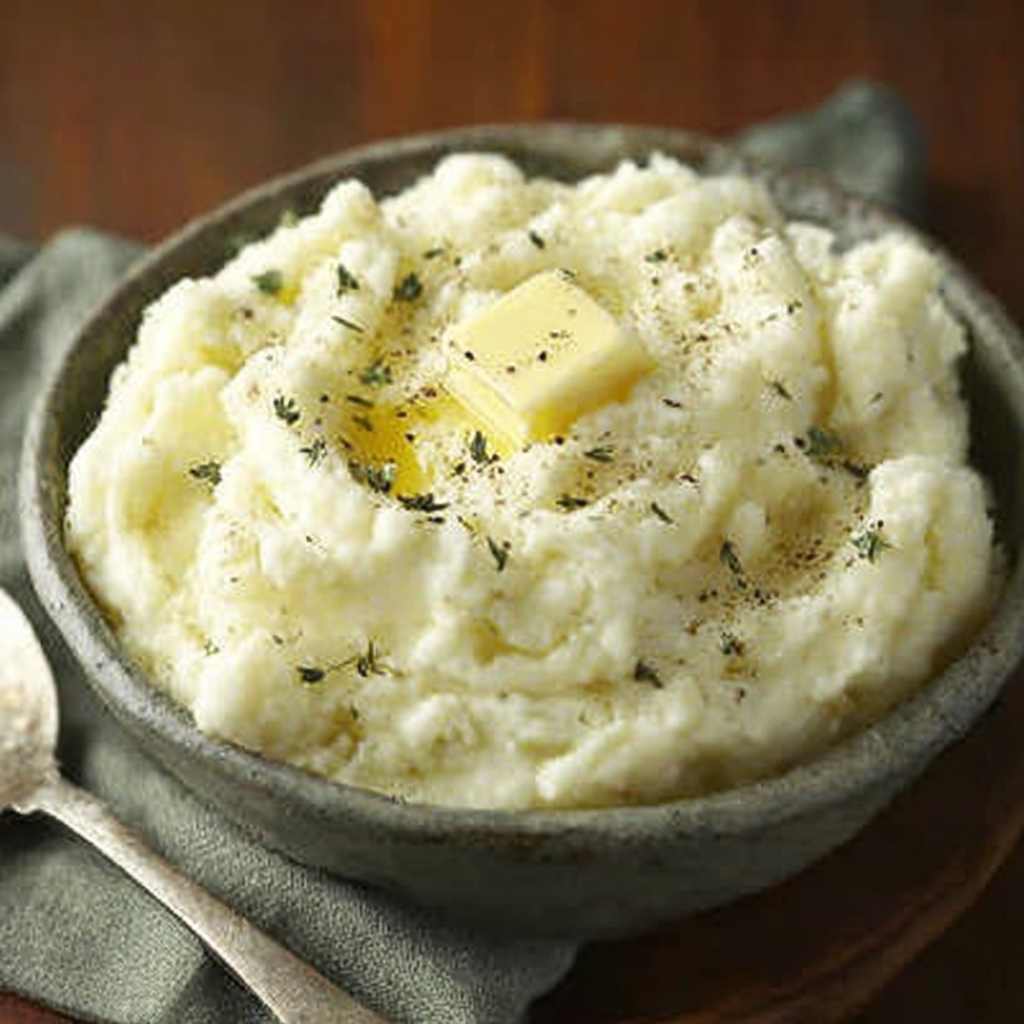
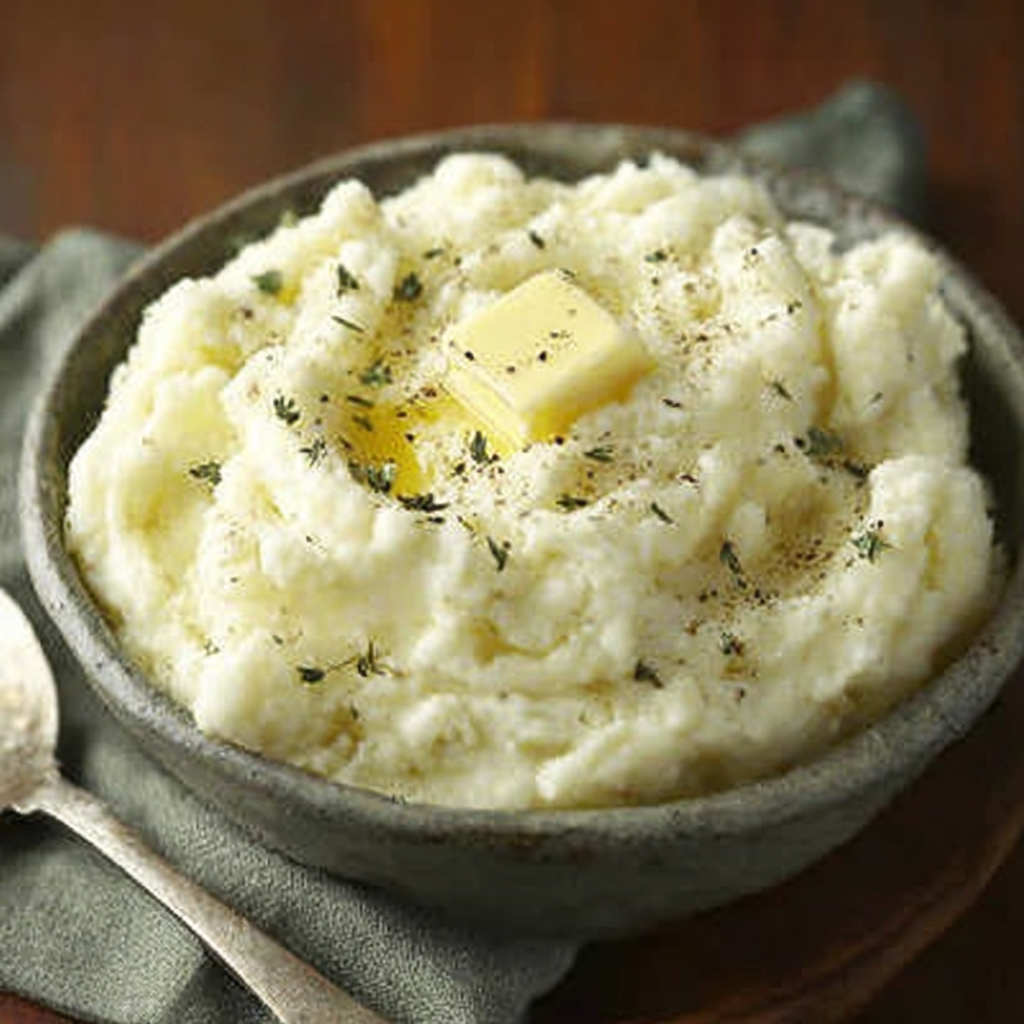
Crafting Creamy Dreamy Mashed Potatoes
Ingredients
Method
- Prepare the potatoes.
- Boil the potatoes until tender.
- Drain and return to the pot.
- Add cream and butter.
- Season to taste.
- Serve warm.
Tried this recipe?
Let us know how it was!Introduction
Mashed potatoes are a timeless comfort food, bringing warmth to family dinners and celebrations alike. Their creamy texture and rich flavor can elevate any meal, making them a beloved side dish for many cultures. The beauty of mashed potatoes lies in their versatility, allowing for a wide array of enhancements that suit any palate.
Crafting the perfect mashed potato requires choosing the right potatoes, mastering cooking techniques, and knowing the right additions to take them from ordinary to extraordinary. In this article, we'll explore how to achieve the ideal consistency and taste, ensuring that your mashed potatoes are a highlight of any table.
Ingredients
- 2 pounds of Russet potatoes
Russet potatoes are starchy and yield a fluffy mash. This high starch content ensures that the potatoes become light and airy when mashed, as opposed to waxy potatoes that can yield a dense product. - 1/2 cup unsalted butter
Butter adds richness and a velvety texture to the mashed potatoes. Unsalted allows you to control the saltiness in the dish, providing a clean buttery flavor that complements the potatoes. - 1 cup whole milk
Whole milk contributes creaminess and moisture, creating a smooth texture. It also helps to blend the ingredients more easily, integrating the flavors without overwhelming the potatoes. - Salt to taste
Salt enhances the flavors of the potatoes and other ingredients. It's important to add it during cooking and adjust it after mashing to ensure a well-seasoned dish. - Freshly ground black pepper
Black pepper adds subtle heat and depth to the mashed potatoes. It complements the richness of the butter and milk while elevating the overall flavor profile. - Optional: garlic or herbs (e.g., chives)
Garlic or fresh herbs can be added for additional flavor. This customization allows for creativity and personal preference, making it easy to adapt the dish to different cuisines or tastes.
Directions & Preparation
Step 1: Prepare the potatoes by peeling and cutting them into chunks.
Peeling the potatoes ensures a smooth texture in the final product. Cutting them into uniform chunks promotes even cooking, reducing the risk of some pieces being undercooked while others are overdone.
Step 2: Place the potato chunks in a large pot and cover them with cold water.
Starting with cold water allows the potatoes to cook evenly. If you add them to boiling water, the exteriors may become mushy before the interiors are properly cooked, leading to an uneven texture.
Step 3: Add a generous pinch of salt to the water and bring it to a boil.
Salting the water permits the potatoes to absorb flavor while cooking. This foundational seasoning enhances the overall taste of the mashed potatoes and helps ensure they are well-seasoned throughout.
Step 4: Cook the potatoes until fork-tender, about 15-20 minutes, then drain.
The fork-tender test indicates that the potatoes have cooked thoroughly and are ready for mashing. Overcooking can make them waterlogged, while undercooking results in a grainy texture.
Step 5: Return the drained potatoes to the pot and let them steam for a couple of minutes.
This step helps evaporate any excess moisture that could otherwise lead to watery mashed potatoes. It also makes the potatoes fluffier by allowing steam to escape, creating a better texture.
Step 6: Add the butter and begin to mash the potatoes.
Incorporating the butter while the potatoes are still hot helps it melt thoroughly, contributing to a creamy texture. Use a potato masher or ricer for the smoothest results; avoid over-mashing to keep the potatoes light.
Step 7: Gradually add milk while mashing until you achieve the desired consistency.
Adding milk gradually allows you to control the creaminess and prevent the potatoes from becoming too runny. Always mix thoroughly to ensure the liquid is fully incorporated for a homogenous texture.
Step 8: Season with salt and black pepper to taste, adjusting as needed.
This is a crucial step where you can fine-tune the flavors. Since salt can vary in potency, tasting the potatoes now helps ensure that they are perfectly seasoned for your palate.
Step 9: Optionally, fold in garlic or herbs for added flavor.
Personalizing your mashed potatoes with garlic or fresh herbs not only enhances the flavor but also adds an appealing aroma. This customization is what makes each batch uniquely yours.
Step 10: Serve immediately, or keep warm until serving.
Mashed potatoes are best enjoyed fresh, so serving them immediately allows you to savor their optimal texture and temperature. If needed, you can keep them warm in a covered bowl over hot water, but avoid reheating methods that can dry them out.

Choosing the Right Potatoes
The choice of potatoes plays a crucial role in achieving the perfect mashed consistency. Starchy varieties like Russets or Yukon Golds yield a fluffier and creamier mash compared to waxy types. It's worth investing time to select high-quality potatoes, as they can significantly impact the flavor and texture of your dish.
Enhancing Flavor with Additions
While classic mashed potatoes are delicious on their own, the addition of elements like roasted garlic, sour cream, or cheese can elevate the dish to new heights. Experimenting with different ingredients and spices allows for endless customization—a little creativity can turn simple mashed potatoes into a gourmet side.
Serving Suggestions and Variations
Mashed potatoes are traditionally served alongside meats and gravies, but they can adapt to suit other culinary styles. Consider serving them with rich stews, as a base for shepherd's pie, or even as a unique filling for pierogies, showing how versatile this dish can truly be.
FAQs
What should I do if my mashed potatoes turn out too thick?
If your mashed potatoes are too thick, gradually stir in more warm milk until you reach your desired consistency. Be careful to add small amounts at a time to avoid making them too watery.
How can I make my mashed potatoes more flavorful?
To enhance flavor, consider adding roasted garlic, cream cheese, or herbs like chives or parsley. These additions can bring depth and richness to your mashed potatoes.
What if I accidentally overcooked the potatoes?
If your potatoes are overcooked and slightly mushy, try draining them well and mashing quickly to remove excess moisture. You can also add more butter or cream to improve the texture.
Can I double this recipe for a larger gathering?
Absolutely, you can double the recipe. Just ensure you have a large enough pot to accommodate all the potatoes, and adjust the cooking time slightly as needed for the increased volume.
What can I add to keep my mashed potatoes interesting?
Consider incorporating different flavors such as smoked paprika, cheese, or even sautéed onions. Each addition can give your mashed potatoes a unique twist.
Is it okay to use a food processor for mashing?
While a food processor can work, it's best to avoid it, as it can make mashed potatoes gummy. A potato masher or ricer is preferable for a light, fluffy texture.
Conclusion
Mashed potatoes are not just a side dish; they embody comfort and tradition, closely tied to family gatherings and festive occasions. By mastering the art of making them from scratch, you unlock endless possibilities for flavor and texture that store-bought versions simply can't match.
With the right techniques and ingredients, you can create a delightful dish that satisfies and impresses. So, roll up your sleeves and start mashing—your perfect plate of mashed potatoes awaits!
Recipe Card
Crafting Creamy Dreamy Mashed Potatoes
Ingredients
Method
- Prepare the potatoes.
- Boil the potatoes until tender.
- Drain and return to the pot.
- Add cream and butter.
- Season to taste.
- Serve warm.
Tried this recipe?
Let us know how it was!Notes
Additional serving suggestions: pair with a crisp salad, garlic bread, or roasted seasonal vegetables for balance.
For make-ahead, prep components separately and assemble just before heating to preserve texture.
Taste and adjust with acid (lemon/vinegar) and salt right at the end to wake up flavors.