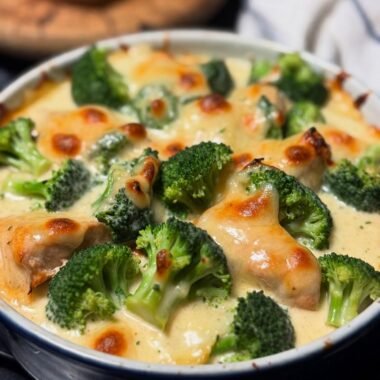

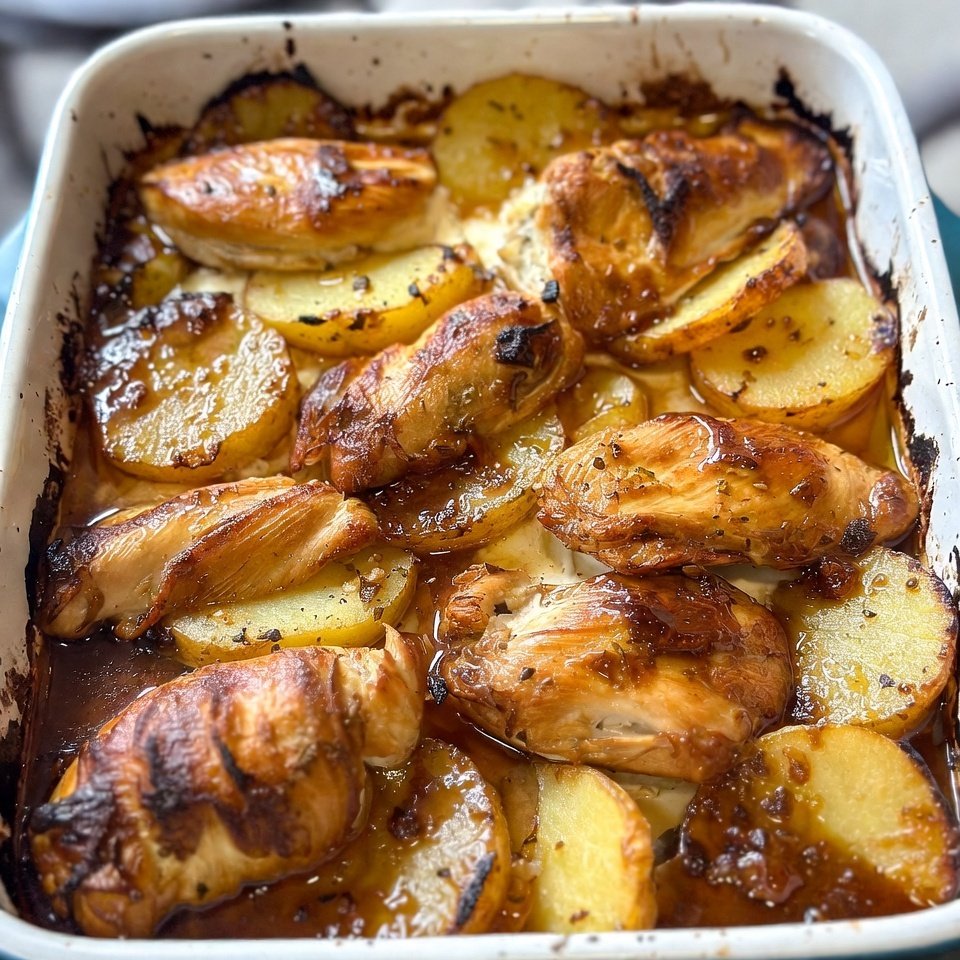
Loaded Potato Chicken Casserole
Ingredients
Method
- Preheat oven to 375˚F.
- Mix sour cream with the salt, pepper, garlic powder, and green onions.
- Combine the sour cream mixture with the chicken, potatoes, and half of the cheddar cheese.
- Spread the mixture into a 9x13 casserole dish. Sprinkle remaining cheese and crumbled bacon over the top.
- Bake for 20 minutes or until the casserole heated through and the edges start to bubble.
- Garnish with extra green onions and serve warm. Enjoy!
Nutrition
Notes
- For the best flavor, use rotisserie chicken; it adds a depth that plain boiled chicken can't match.
- Keep an eye on the casserole while it bakes; you'll know it's ready when the edges start to bubble and turn golden brown, about 20 minutes in the oven.
- If you want a lighter version, substitute Greek yogurt for the sour cream without sacrificing creaminess.
- To ensure the casserole remains moist, cover it with foil for the first 15 minutes of baking, then remove it to allow the top to crisp up.
- This casserole can be stored in the fridge for up to 3 days; reheat individual portions in the microwave for the best results, or place the whole dish back in a 350°F oven until warmed through.
Tried this recipe?
Let us know how it was!Golden, bubbly, and ready in under an hour, this cheesy bake transforms leftover chicken and potatoes into a weeknight miracle.
📋 In This Article
Introduction
Some nights, you just need a baked chicken potato casserole family dinner to save the day. It’s that reliable, heavy-lifting dish that bridges the gap between “I’m starving” and “I don’t want to cook.” But let’s be honest: too many casseroles turn into soggy, bland calorie bombs. This version is different. It relies on the structural integrity of russet potatoes and the savory depth of sharp cheddar, creating layers of flavor rather than a homogenous mush. We’re talking tender chunks of chicken enveloped in a tangy sour cream sauce, all capped with a crispy, cheesy lid. It’s comfort food with a culinary backbone, designed to feed a hungry crowd without keeping you in the kitchen all night.
Why This Recipe Works (and Why You’ll Love It!)
This isn’t just a meal; it’s a strategic solution for the busy home cook. Here is why this formula works every time: Chicken and Stuffing Bake: The Ultimate Comfort Casserole.
- The Texture Balance: We use russets for a reason. Their high starch content allows them to absorb the sour cream mixture without disintegrating, maintaining a fluffy interior while developing a slight chew on the edges.
- Temperature Management: By starting with pre-cooked chicken and par-cooked potatoes, we avoid the dreaded “dry chicken” scenario that happens when you try to bake raw poultry and raw spuds together.
- Flavor Layering: We don’t just dump ingredients in. Mixing the sour cream with garlic and paprika creates a flavor base that permeates every bite, ensuring no bland spots.
- The Cheese Factor: We add the cheddar late in the game. This prevents the cheese from separating and greasing out, ensuring you get that perfect, melty pull rather than a sheet of oil.
Ingredients List
- 3 cups shredded chicken (rotisserie chicken is ideal for moisture and flavor)
- 3 cups baked potatoes (russet or Idaho, peeled, baked, and cubed into 1-inch pieces)
- 1 cup sour cream (full-fat provides the best velvety texture; light versions can water down the sauce)
- 1½ cups shredded sharp cheddar cheese (shred it yourself for better melting)
- ½ cup green onions (sliced thin; separate white parts for the mix and green for garnish)
- ½ cup cooked bacon (crumbled; aim for thick-cut for texture)
- 1 teaspoon salt (essential for potato seasoning)
- ½ teaspoon black pepper (freshly cracked)
- ½ teaspoon garlic powder
- 1 teaspoon smoked paprika (adds a subtle, smoky depth)
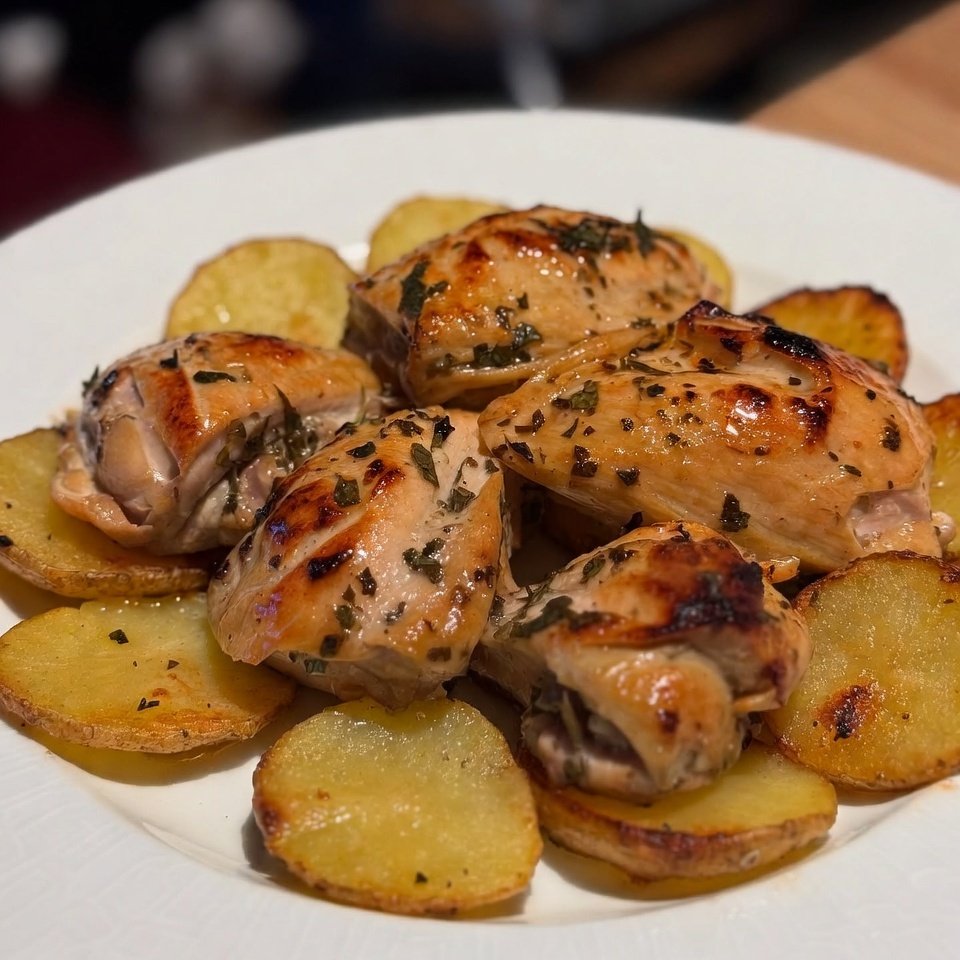
Step-by-Step Instructions
- Preheat your oven to 375°F (190°C). This temperature is the sweet spot—hot enough to drive off excess moisture and encourage browning, but gentle enough to heat the mixture through without drying the edges.
- Prepare the base. In a large mixing bowl, combine the shredded chicken, cubed baked potatoes, sour cream, smoked paprika, garlic powder, salt, and black pepper. Fold gently. You want to coat everything evenly without mashing the potatoes into paste. The sour cream acts as an emulsifier here, binding the meat and starch into a cohesive unit.
- Transfer to baking dish. Grease a 9×13 casserole dish with non-stick spray. Spread the potato-chicken mixture evenly. Press it down slightly to ensure it heats through uniformly.
- Initial Bake. Bake uncovered for 20 minutes. Since the components are already cooked, we are essentially “marrying” the flavors and heating the center. You’re looking for the edges to bubble aggressively.
- Add the Toppings. Remove the dish from the oven. Sprinkle evenly with the sharp cheddar cheese, crumbled bacon, and the white parts of the green onions.
- Final Melt. Return to the oven for 5-10 minutes. Watch closely. You want the cheese fully melted and just beginning to brown in spots—this is the Maillard reaction working on the dairy proteins, creating nutty, complex notes.
- Rest and Serve. Let the casserole stand for 5 minutes before serving. I used to rush this step—don’t. Cutting too early allows the molten cheese and cream sauce to run all over the plate; resting lets the starches retrograde slightly, setting the structure for a cleaner slice. Garnish with the reserved green onion tops.
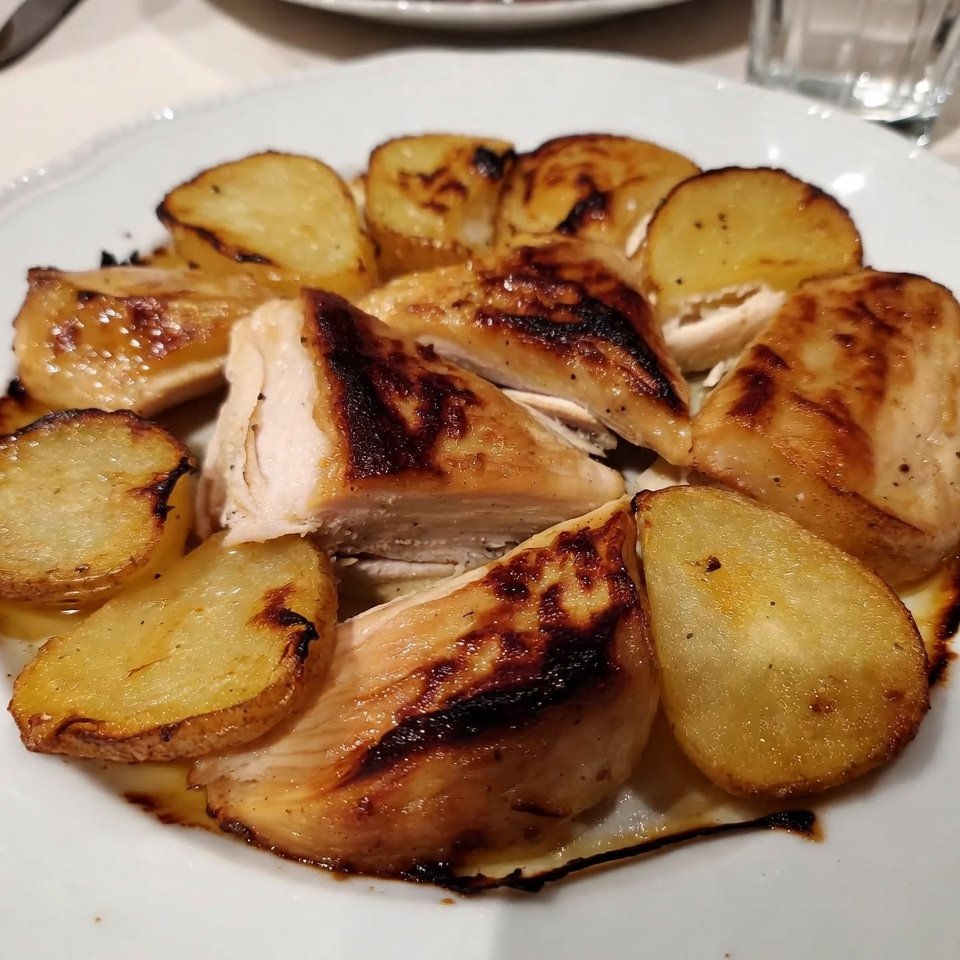
⚠️ Common Mistakes to Avoid
Even simple recipes have pitfalls. Here is how to avoid a casserole catastrophe:
Using Raw Potatoes: This is the number one error. Raw potatoes take far longer to cook than pre-cooked chicken. By the time the potatoes are tender, your chicken will be dry, tough jerky. Always use baked, boiled, or leftover potatoes.
Over-mixing the Base: Potatoes are delicate. If you stir too vigorously, the starch granules shear, and you end up with a gummy, paste-like texture. Fold just until combined.
Cold Ingredients: If your chicken and potatoes are ice-cold from the fridge, the 20-minute bake time won’t be enough to heat the center. You’ll end up with a hot exterior and a lukewarm middle. Let the ingredients sit on the counter for 15 minutes before assembling, or add 10 minutes to the initial bake time.
Soggy Bottoms: If your potatoes were boiled rather than baked, they hold more water. Excess moisture is the enemy of a good casserole. If using boiled potatoes, drain them extremely well and consider reducing the sour cream by a few tablespoons.
Recipe Variations & Customizations
This baked chicken potato casserole is a blueprint, not a law. Here’s how to pivot:
- The “Loaded Baked Potato” Route: Add 1/4 cup of jarred jalapeños and swap the cheddar for a pepper jack blend. The acid from the peppers cuts through the heavy cream sauce beautifully.
- Vegetable Boost: Fold in 2 cups of steamed broccoli florets or sautéed spinach. If using spinach, squeeze out every drop of water with a paper towel first; otherwise, you risk a watery casserole.
- Buffalo Twist: Toss the shredded chicken in 1/2 cup of buffalo sauce before mixing. Swap the sour cream for a mix of ranch dressing and cream cheese for a tangy, spicy profile.
- Different Proteins: This works exceptionally well with leftover ham or even browned ground turkey. Just ensure the meat is fully cooked before it goes into the dish.
Make Ahead & Storage Tips
Casseroles are the meal prep champion. Here’s how to manage the timeline:
Make Ahead: Assemble the casserole completely (stop before the cheese/bacon step). Cover tightly with foil and refrigerate for up to 24 hours. When ready to bake, add an extra 10-15 minutes to the initial bake time to compensate for the cold start. Mediterranean Chicken Zucchini Bake: A Delicious and Nutritious Weeknight Meal.
Freezing: Assemble the dish but do not bake. Wrap it in plastic wrap, then a layer of aluminum foil to prevent freezer burn. Freeze for up to 3 months. Thaw overnight in the refrigerator before baking as directed.
Reheating: Leftovers keep well in the fridge for 3 days. Reheat in a 350°F oven until the internal temperature hits 165°F. Microwaving works for single servings, but the oven restores the crispy cheese texture better.
💡 Pro Tips for the Perfect Casserole
Shred Your Own Cheese: Pre-shredded cheese is coated in cellulose and potato starch to prevent clumping. These anti-caking agents inhibit melting and can make your cheese sauce grainy. Buy a block and use a box grater—it takes 30 seconds and makes a massive difference.
Dry Your Potatoes: If you are baking the potatoes specifically for this recipe, let them cool completely. Cooling allows the starch molecules to crystallize, making the potatoes firmer and less likely to break down during mixing.
Salt Your Layers: Don’t rely solely on the sour cream mix for seasoning. Lightly salt your potatoes the moment you cube them. This ensures deep seasoning penetration, not just a salty coating. Hobo Casserole with Ground Beef & Potatoes: A Hearty, Comforting Classic.
Frequently Asked Questions (FAQs)
+Can I use raw chicken in this recipe?
No, you should not use raw chicken. The cooking time is designed for pre-cooked ingredients. Raw chicken would require a longer bake time that would ruin the texture of the potatoes.
+Do I have to use russet potatoes?
Russets are best because they are fluffy and absorbent. Yukon Golds will work but offer a waxier texture. Red potatoes are generally too waxy and firm for this specific casserole style.
+How do I know when the casserole is done?
Look for bubbles breaking through to the surface around the edges. Since all ingredients are pre-cooked, you are simply heating until the internal temperature reaches 165°F (74°C) for food safety.
+Can I make this dairy-free?
Yes, but it changes the character significantly. Use a coconut-based sour cream alternative and a vegan cheese shreds. Note that vegan cheeses often do not melt with the same fluidity as dairy cheese.
+Why is my casserole watery?
This usually happens if the potatoes were boiled (retaining water) or if the chicken was very moist. Ensure potatoes are well-drained or baked, and let the casserole rest for 5-10 minutes after baking to allow the sauce to thicken up.
+What sides pair well with this dish?
Because this is a rich, heavy meal, serve it with something acidic and crisp. A simple arugula salad with a vinaigrette or roasted Brussels sprouts cuts through the richness perfectly.
Loaded Potato Chicken Casserole
Ingredients
Method
- Preheat oven to 375˚F.
- Mix sour cream with the salt, pepper, garlic powder, and green onions.
- Combine the sour cream mixture with the chicken, potatoes, and half of the cheddar cheese.
- Spread the mixture into a 9x13 casserole dish. Sprinkle remaining cheese and crumbled bacon over the top.
- Bake for 20 minutes or until the casserole heated through and the edges start to bubble.
- Garnish with extra green onions and serve warm. Enjoy!
Nutrition
Notes
- For the best flavor, use rotisserie chicken; it adds a depth that plain boiled chicken can't match.
- Keep an eye on the casserole while it bakes; you'll know it's ready when the edges start to bubble and turn golden brown, about 20 minutes in the oven.
- If you want a lighter version, substitute Greek yogurt for the sour cream without sacrificing creaminess.
- To ensure the casserole remains moist, cover it with foil for the first 15 minutes of baking, then remove it to allow the top to crisp up.
- This casserole can be stored in the fridge for up to 3 days; reheat individual portions in the microwave for the best results, or place the whole dish back in a 350°F oven until warmed through.