In today’s global marketplace, imported foods line the shelves of every supermarket. We often assume that if something is available for sale, it must be safe to eat but that’s not always the case. In reality, not every country follows the same safety standards, and some imported products can pose serious health risks due to contamination, poor handling, or the use of banned substances.
Here are five categories of imported foods you should think twice about before eating especially if you don’t fully trust the source country’s food safety system.
1. Imported Seafood
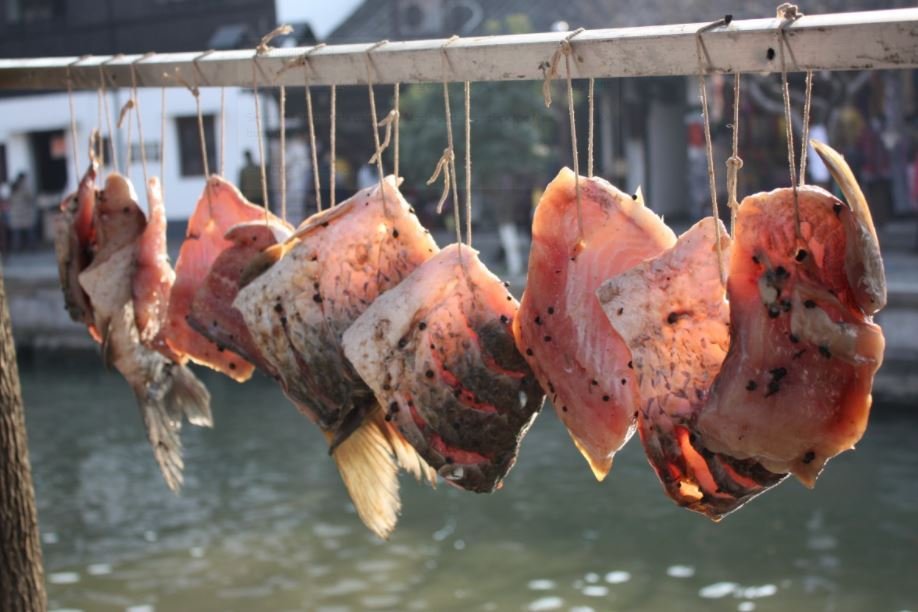
Seafood is one of the most commonly imported foods worldwide, and unfortunately, one of the riskiest. Fish and shrimp raised or caught in countries with weak regulations are often exposed to polluted waters or treated with chemicals to extend shelf life.
Because seafood spoils quickly, it’s often frozen and shipped long distances under questionable storage conditions. This increases the risk of bacterial contamination. In addition, some imported seafood may be mislabeled or injected with water and preservatives to appear fresher than it really is.
Tip: If you must buy imported seafood, look for trusted brands and ensure it’s been properly frozen and stored.
2. Spices and Dried Herbs
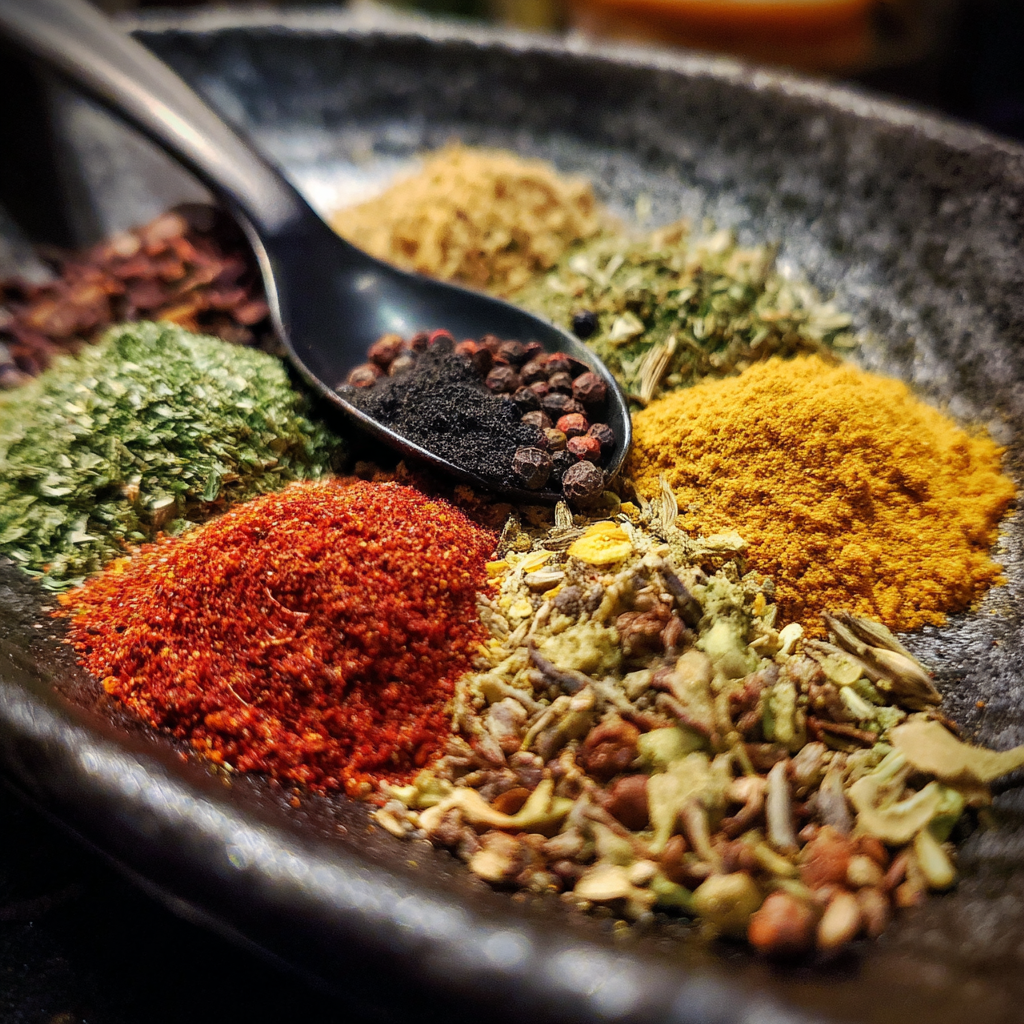
Spices may seem harmless, but they’re frequently imported from countries where pesticide regulations are not as strict. During harvest, drying, and transport, spices can easily become contaminated with dust, mold, or even dangerous chemicals.
Some manufacturers also mix in cheaper fillers or artificial colors to enhance appearance. Consuming contaminated spices over time can cause allergies, digestive issues, and even long-term health problems.
Tip: Always choose brands that package spices in sealed containers rather than loose bulk bags.
3. Nuts, Grains, and Rice
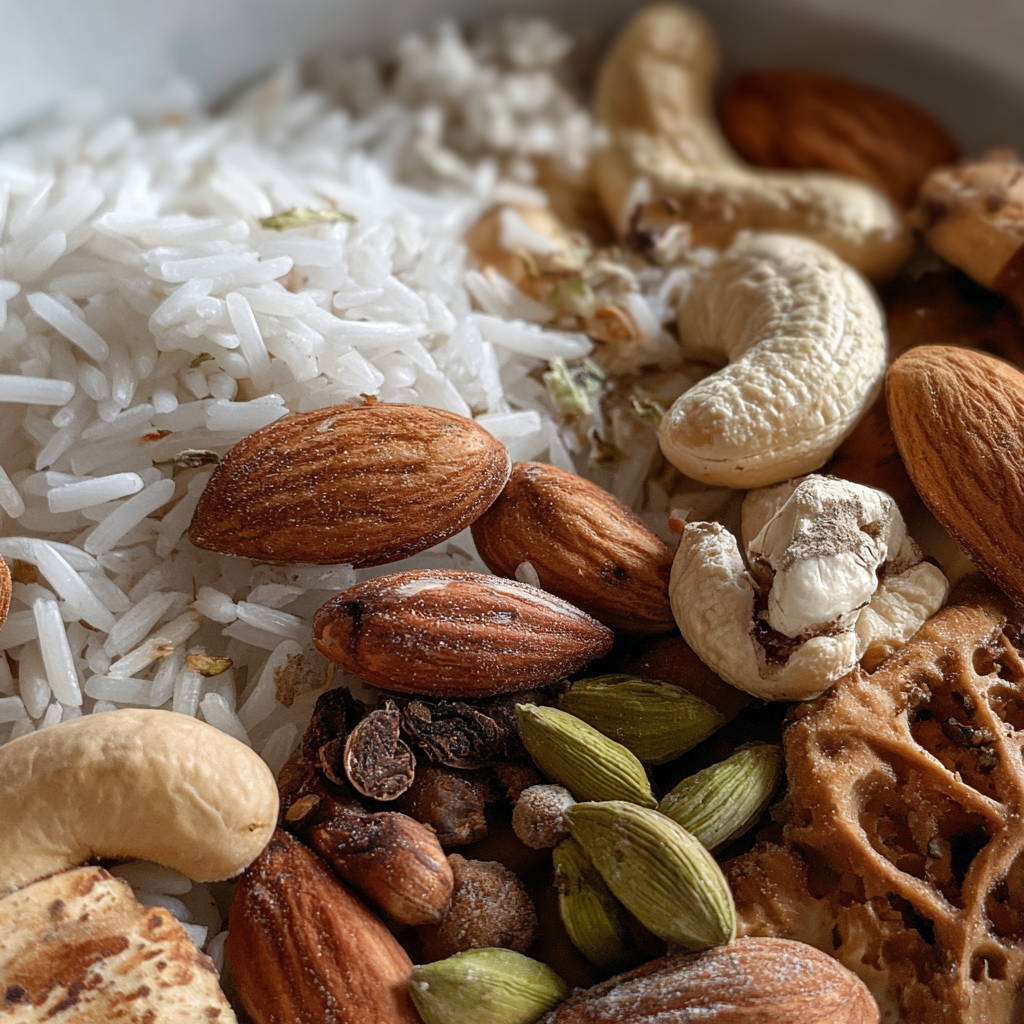
Nuts and grains are another group of foods that can turn dangerous when imported from countries with poor storage conditions. When these foods are stored in humid or hot environments, mold can develop producing toxic substances that can damage the liver or immune system.
Rice and corn may also absorb harmful metals from the soil in which they’re grown. These toxins don’t disappear during cooking and can accumulate in your body over time.
Tip: Buy smaller quantities from trusted sources and store them in a cool, dry place.

You Won’t Believe N04