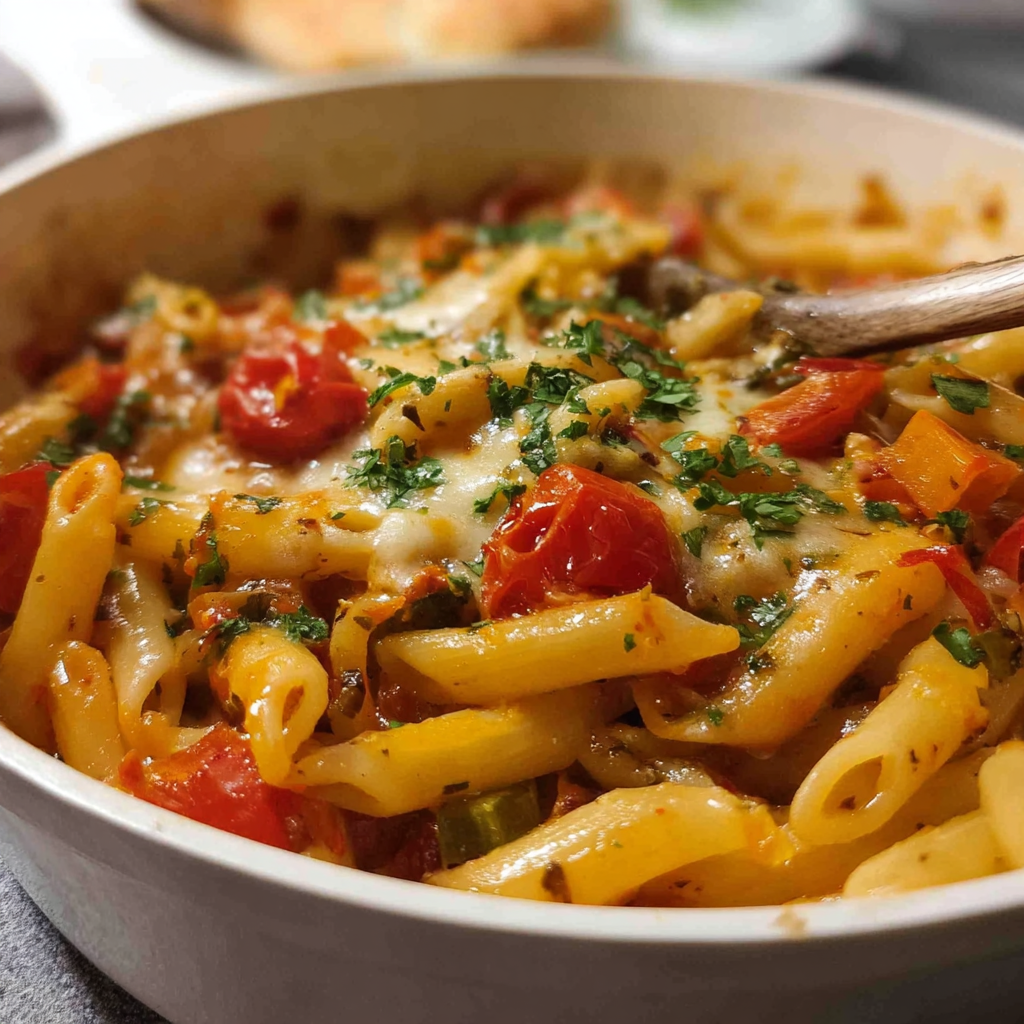
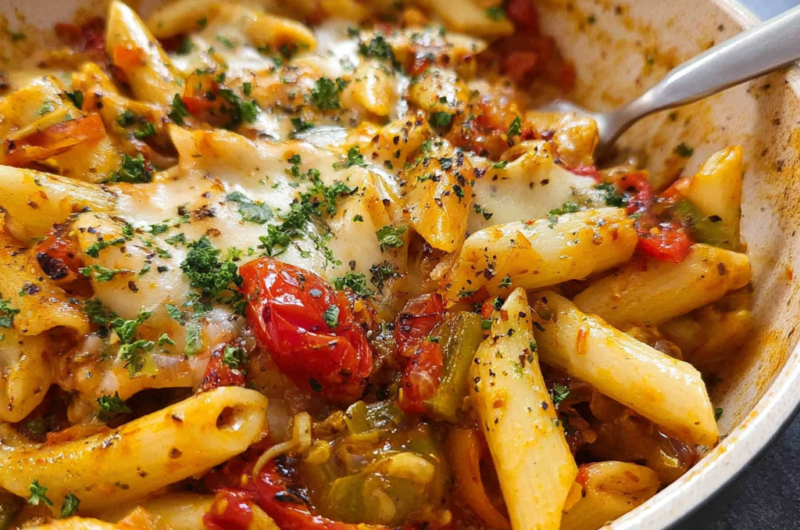
Roasted vegetables meet a velvety, bright lemon-cream sauce in this 30-minute weeknight win.
📋 In This Article
- Introduction
- Why This Works
- Choosing Your Base: Pasta Types & Veggie Power
- The Essential Pantry: Ingredients You’ll Need
- Featured Recipe: Creamy Lemon & Herb Pasta with Roasted Vegetables
- More Delicious Vegetarian Pasta Recipes
- Common Mistakes to Avoid
- Pro Tips for Next-Level Flavor
- Storage & Reheating
- Frequently Asked Questions (FAQ)
- Conclusion
Introduction
Let’s be honest: vegetarian pasta often gets a bad rap for being either a sad pile of noodles with a jar of marinara or a mushy, flavorless vegetable medley. But when done right, it’s one of the most satisfying ways to eat. This Vegetarian Pasta Recipe bridges the gap between comfort food and a nutrient-dense meal, proving that you don’t need meat to build deep, complex flavor. The secret lies in the contrast—crispy-edged roasted vegetables against a silky, tangy cream sauce that clings to every strand of pasta.
I’ve spent years testing pasta techniques, and this specific combination of lemon, herbs, and roasted veg is a standout. It’s fast enough for a Tuesday but elegant enough for a Saturday dinner party. We’re going beyond just “throwing things in a pot.” We’re using high heat to develop sweetness in the vegetables and using pasta water as a technical tool to bind the sauce. It’s simple, but it works. Perfecting Alfredo and White-Sauce Pastas at Home.
Why This Works
Why does this Vegetarian Pasta stand out? It’s all about layering flavors rather than just mixing them. By roasting the vegetables at high heat, we trigger the Maillard reaction, browning the natural sugars in the broccoli and zucchini to create nutty, caramelized notes that you simply cannot get from boiling or steaming. This depth counters the richness of the cream sauce perfectly.
Beyond flavor, there’s the texture. A common pitfall in vegetarian cooking is mushiness. Here, we treat the vegetables with respect—giving them space on the baking sheet to roast rather than steam. This ensures the broccoli retains a pleasant bite, offering a textural counterpoint to the soft pasta. Plus, incorporating a wide variety of vegetables like spinach, zucchini, and tomatoes boosts fiber and vitamin intake without feeling like a “health food” compromise. It’s just good food.
Choosing Your Base: Pasta Types & Veggie Power
The shape of your pasta dictates the eating experience. For this Vegetarian Pasta Recipe, long strands like linguine or fettuccine are ideal because the creamy sauce coats the surface area beautifully. However, if you prefer short pasta, penne or fusilli work well; their tubes and nooks catch the roasted vegetable bits, ensuring you get a bit of everything in every forkful.
When it comes to the vegetables, think about water content. High-moisture vegetables like zucchini and tomatoes need high heat to evaporate that water quickly, concentrating their flavor. Lower-moisture veg like broccoli can handle longer roasting times to develop char. If you swap in seasonal options like asparagus or Brussels sprouts, remember: density matters. Harder vegetables need to be cut smaller or roasted longer.
And please, don’t sleep on whole wheat or legume-based pastas. They offer a nutty flavor that stands up well to robust sauces and increase the protein content, which is often a concern in meatless meals.
The Essential Pantry: Ingredients You’ll Need
Great cooking starts with great ingredients. For this recipe, you don’t need much, but quality matters.
- Olive Oil: Use a decent extra virgin olive oil for roasting the vegetables. It handles high heat well and adds fruity notes.
- Aromatics: Garlic and onion are non-negotiable for building a flavor base. For this specific recipe, fresh garlic is minced and sautéed to mellow its bite.
- Acid: Lemon (both zest and juice) is the flavor amplifier here. Acid cuts through the fat of the cream, “waking up” the palate.
- Cream: Heavy cream provides the lush texture, but you can substitute with half-and-half if you reduce the heat to prevent curdling.
- Cheese: Parmesan or Pecorino adds saltiness and umami. Always grate your own; pre-shredded cheese is coated in anti-caking agents that prevent it from melting smoothly into a sauce.
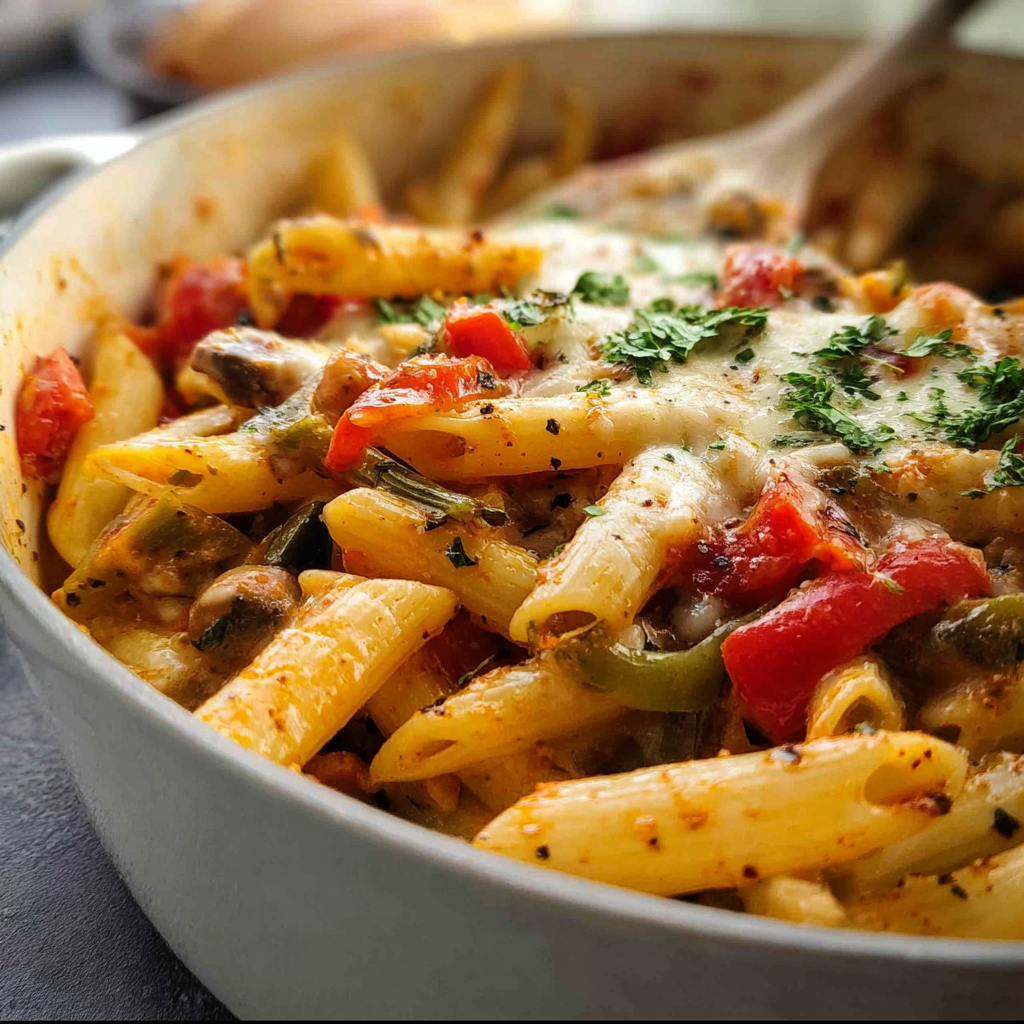
Featured Recipe: Creamy Lemon & Herb Pasta with Roasted Vegetables
This dish balances the richness of a cream sauce with the bright, fresh zip of lemon and the earthy depth of roasted vegetables.
Ingredients
The Vegetables:
- 2 cups broccoli florets
- 1 medium zucchini, diced into half-moons
- 1 cup cherry tomatoes, halved
- 3 tablespoons olive oil
- Salt and black pepper to taste
The Pasta & Sauce:
- 12 oz pasta (linguine, fettuccine, or penne)
- 3 cloves garlic, minced
- 1 cup heavy cream
- Zest and juice of 1 lemon
- 1/2 cup grated Parmesan cheese
- 1/4 cup fresh basil, chopped
- 1/4 cup fresh parsley, chopped
Instructions
- Roast the Vegetables: Preheat your oven to 425°F (220°C). Place the broccoli, zucchini, and cherry tomatoes on a large baking sheet. Toss with olive oil, salt, and pepper. Arrange them in a single layer—overcrowding the pan causes the vegetables to steam rather than roast, leaving you with soggy veg. Roast for 20 minutes until tender and caramelized.
- Boil the Pasta: While the vegetables roast, bring a large pot of salted water to a boil. The water should taste like a well-seasoned soup; this is your only chance to season the actual pasta noodles. Cook the pasta until it’s just shy of al dente (about 2 minutes less than the package instructions). Crucial step: Before draining, reserve 1 cup of the starchy pasta water.
- Start the Sauce: In the same pot you used for the pasta (no need to wash it), wipe it dry and place it over medium heat. Add a splash of oil if needed, then sauté the minced garlic for 1-2 minutes until fragrant. Be careful not to burn it—burnt garlic turns bitter.
- Emulsify: Pour in the heavy cream, lemon juice, and lemon zest. Bring to a gentle simmer. Add the pasta directly into the sauce along with 1/2 cup of the reserved pasta water. Toss vigorously. The starch in the water helps the fat in the cream and cheese emulsify, creating a silky texture that clings to the noodles rather than sitting in a puddle at the bottom of the bowl.
- Combine and Serve: Stir in the roasted vegetables, Parmesan cheese, basil, and parsley. Toss until everything is heated through and coated. If the sauce looks too tight, add a splash more pasta water. Serve immediately with extra cheese on top.
More Delicious Vegetarian Pasta Recipes
Looking to switch it up? Here are a few other concepts that play with texture and flavor profiles:
- One-Pot Tomato & Spinach Pasta: A weeknight hero. The starch from the pasta leaches into the cooking liquid, naturally thickening the tomato sauce without extra steps.
- Creamy Mushroom & Garlic Linguine: Use a mix of shiitake and cremini mushrooms. Browning the mushrooms thoroughly evaporates their moisture, concentrating the umami flavor.
- Zesty Lemon-Ricotta Pasta: A lighter alternative to heavy cream. Whisk ricotta with pasta water to create a velvety sauce without the heaviness.
- Spicy Arrabiata with Roasted Vegetables: Chili flakes meet sweet roasted peppers. The heat balances the natural sugars in the tomatoes and veggies.
⚠️ Common Mistakes to Avoid
Even a simple Vegetarian Pasta Recipe can go wrong if you ignore the details. Here is where most people slip up.
Overcooking the Pasta: Nothing ruins a dish faster than mushy noodles. Remember to pull the pasta 2 minutes early and finish it in the sauce. It continues to cook in the residual heat, absorbing sauce flavor while maintaining structure. Indulgent Creamy Mushroom Pasta Recipe.
Under-seasoning the Water: If your water isn’t salty enough, the pasta will taste bland, no matter how much sauce you dump on top. Salt is a flavor enhancer; it suppresses bitterness and amplifies savory notes.
Watery Sauce: This usually happens when vegetables release too much water into the dish. By roasting the vegetables separately, we avoid this issue entirely. If you sauté wet vegetables directly in the pan, they often braise in their own liquid instead of browning.
💡 Pro Tips for Next-Level Flavor
Want to elevate this from “good” to “I can’t believe this is vegetarian”? Focus on these finishing touches.
The Pasta Water Secret: That cloudy liquid you usually dump down the drain? Liquid gold. It contains dissolved starch and salt. When added to a fat-based sauce, it acts as a binder, creating an emulsion that is stable and creamy. I used to skip this step—huge mistake. The sauce would separate. Now, I always save a mugful.
Bloom Your Spices: If you’re adding dried herbs or spices (like red pepper flakes), add them to the oil with the garlic. “Blooming” them in fat releases their essential oils, making them far more aromatic than if you added them at the end.
Finish with Acid: If the dish tastes “heavy” or “flat,” it probably needs acid, not salt. A final squeeze of lemon juice or a splash of vinegar right before serving brightens all the flavors instantly.
Storage & Reheating
Leftovers happen, but pasta can get tricky.
Storage: Allow the pasta to cool completely before transferring to an airtight container. It will keep in the refrigerator for 3 to 5 days. However, the cream sauce may solidify in the cold.
Reheating: The microwave is convenient but often leads to uneven heating and rubbery texture. Instead, place the pasta in a skillet over medium-low heat. Add a splash of water or broth—this rehydrates the sauce and helps it return to a creamy state. Stir gently until warmed through. Creamy Garlic Parmesan Chicken Pasta Delight.
Frequently Asked Questions (FAQ)
+Why is my vegetarian pasta bland?
Usually, it’s a lack of salt or acid. If you didn’t salt your pasta water adequately, the noodles themselves will be tasteless. Additionally, vegetables need generous seasoning to shine. Taste as you go, and finish with a squeeze of lemon to perk up dull flavors.
+Can I make this recipe vegan?
Absolutely. Swap the heavy cream for full-fat coconut milk or a cashew cream base. Nutritional yeast is a fantastic substitute for Parmesan cheese, offering a cheesy, nutty umami kick without dairy.
+How do I know when the roasted vegetables are done?
Visual cues are key. You want to see charred, browned edges on the broccoli and zucchini. If they look pale and shiny, they are likely steaming rather than roasting. The tomatoes should be wrinkled and starting to burst.
+Can I use frozen vegetables?
You can, but expect a different texture. Frozen vegetables have a higher water content due to the ice crystals that form during freezing. They will release more liquid in the oven, leading to softer, less crispy results. For the best texture, fresh is best for roasting.
+What protein can I add?
To make this a heartier meal, add chickpeas, white beans, or lentils. These legumes simmer well in the sauce and add protein and fiber without overpowering the delicate lemon-herb profile.
Conclusion
Mastering a Vegetarian Pasta Recipe isn’t about following a rigid set of rules—it’s about understanding how ingredients interact. When you roast vegetables to concentrate their sugars, salt your water to season the noodles, and use pasta water to bind your sauce, you aren’t just cooking dinner; you’re building flavor from the ground up. Whether you stick to the Creamy Lemon & Herb formula or branch out into spicy Arrabiata, these techniques will serve you well. Give it a try tonight, and you might find that meatless Monday becomes your favorite night of the week.