Roasted Red Pepper Pasta
Ingredients
Method
- Blend the red peppers, water, and broth base until smooth.
- Heat a large skillet over medium heat. Add the butter and shallots; sauté until the shallots are lightly golden brown and caramelized, about 10-15 minutes.
- During this time, cook the pasta according to package directions, to al dente so the noodles can finish in the sauce.
- Turn the heat down to avoid splatters; add the red pepper puree and let it sizzle out for a moment. Then add the cream. Stir to combine; let it gently bubble for a few moments until it has thickened into a nice creamy sauce.
- Add pasta into the sauce; let it simmer for a few moments to thicken and coat the noodles. If needed, add reserved pasta water to reach desired consistency.
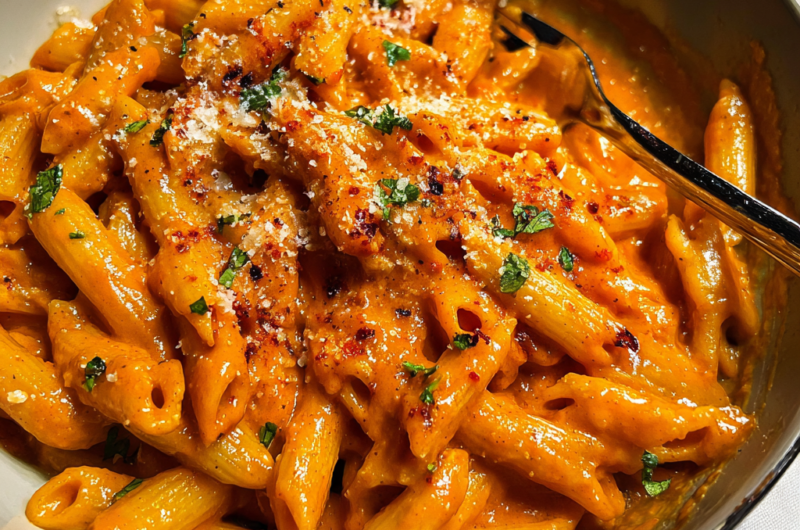
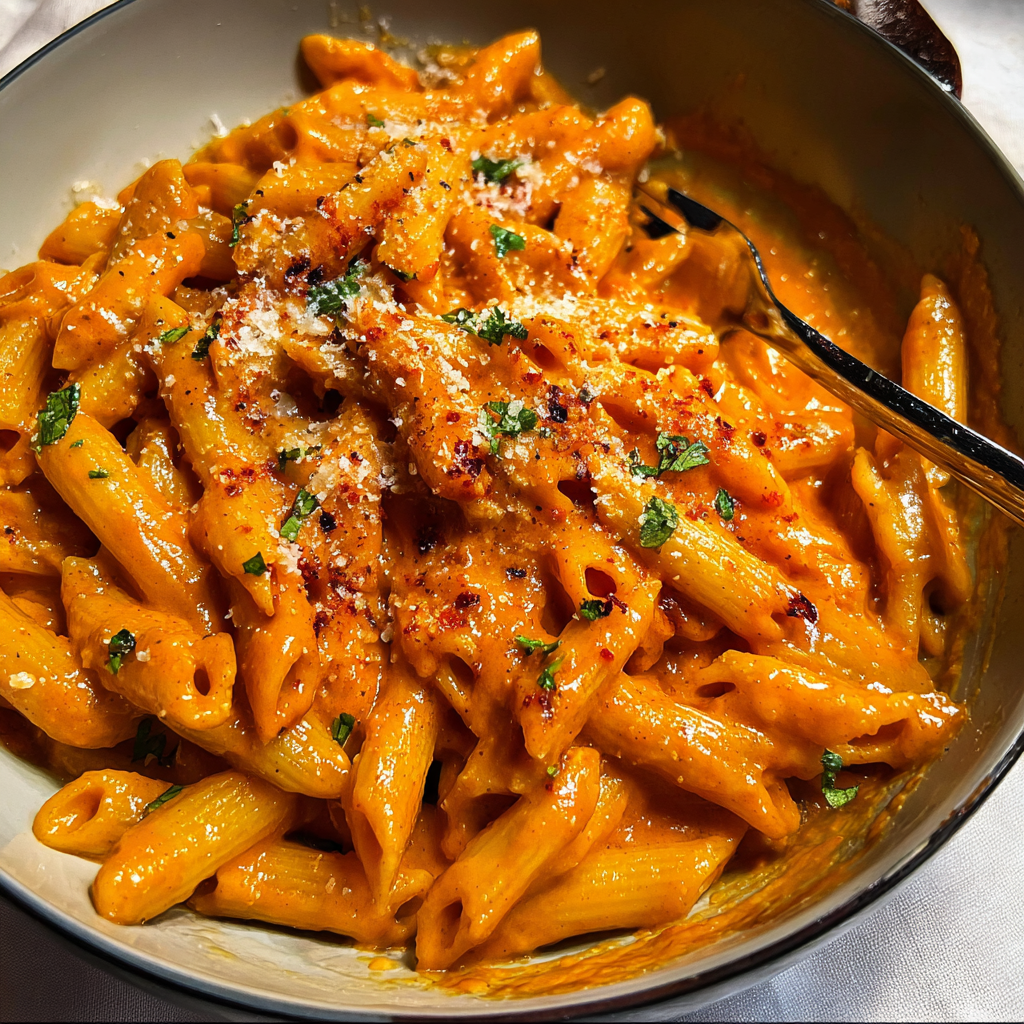
- Serve immediately, topped with Parmesan, basil, and/or red pepper flakes. It’s so gooood.
Nutrition
Notes
- For the perfect pasta texture, cook the pasta just until al dente; it will continue to cook slightly when added to the sauce, ensuring it doesn’t become mushy.
- If your sauce is too thick, gradually add reserved pasta water to reach your desired creaminess without diluting the flavor.
- To enhance the roasted flavor, consider broiling fresh bell peppers until charred, then blending them instead of using jarred peppers for a deeper taste.
- If you're short on time, sauté the shallots in butter while the pasta cooks to streamline the process and maximize flavor development.
- This dish can be stored in the fridge for up to 3 days; reheat gently over low heat, adding a splash of cream or pasta water to revive the sauce's consistency.
Tried this recipe?
Let us know how it was!A velvety, 30-minute sauce made from charred peppers and aromatics—easily adapted for vegan or dairy-free diets.
📋 In This Article
Introduction
There is a specific kind of magic that happens when a bell pepper hits high heat. It transforms from a crisp, slightly vegetal crunch into something smoky, sweet, and deeply savory. That transformation is the heart of this Roasted Red Pepper Pasta. While jarred peppers offer convenience, roasting your own unlocks a depth of flavor that tastes like you spent hours over a stove, even though this dish comes together in roughly 30 minutes.
I’ve spent years testing pasta sauces, and this one hits a unique balance: it’s rich and coating without being heavy. The sauce relies on the natural pectin in the peppers and the starch from the pasta water to create a silky emulsion, meaning you can achieve that luscious texture whether you’re using heavy cream or opting for a plant-based alternative like cashew milk. It’s the kind of weeknight meal that feels effortless but eats like a luxury. Lemon Butter Pasta Sauce: A 15-Minute Weeknight Masterpiece.
Why This Recipe Works (and Outranks the Rest)
Most red pepper sauce recipes lean too hard on the dairy to carry the weight, resulting in a dish that tastes more of cream than pepper. This recipe flips the ratio. By roasting roasted red peppers until they are charred and collapsing, we trigger the Maillard reaction—the same chemical process that gives a steak its crust—concentrating the sugars and adding a smoky backbone that jarred versions simply lack.
The texture is where the science kicks in. We don’t just boil the pasta; we manage the starch. By reserving pasta water, we capture concentrated starch molecules. When blended into the sauce, these molecules act as an emulsifier, binding the pepper puree and fat (butter or oil) into a stable, glossy suspension that clings to the ridges of penne rigate or rigatoni. The result is a sauce that refuses to separate, delivering a velvety mouthfeel in every bite.
The Essential Ingredients
For the Peppers and Aromatics
- Roasted Red Peppers: 3 medium red bell peppers. Roasting fresh peppers maximizes sweetness and allows for charring, which is key for depth of flavor.
- Garlic: 6 cloves, roasted. Roasting tames the pungent bite of raw garlic into something mellow and sweet.
- Shallots: 1 large shallot, thinly sliced. Shallots offer a more delicate, sweet complexity than yellow onions.
- Onion: 1 medium sweet white onion, diced. This builds the savory foundation for the sauce base.
For the Sauce and Pasta
- Pasta (Noodles): 8 ounces of dried pasta. Tube shapes like penne or rigatoni are ideal because their hollow centers and ridges trap the thick sauce.
- Heavy Cream / Milk (Dairy/Plant-Based): 3/4 cup of heavy cream for ultimate richness. For a vegan variant, unsweetened cashew milk or oat milk works beautifully due to their neutral flavor profiles and creamy viscosity.
- Tomato Paste: 1 tablespoon. This adds a crucial hit of umami and bridges the gap between the sweet peppers and savory aromatics.
- Butter / Olive Oil: 2 tablespoons. Used for sautéing. Olive oil adds fruitiness, while butter adds a nutty, rich finish.
- Pasta Water: 1/2 cup, reserved. This is liquid gold for adjusting consistency.
- Parmesan / Nutritional Yeast: 1/4 cup. Provides a salty, savory finish. Use nutritional yeast for a dairy-free umami boost.
- Oregano: 1 teaspoon dried, to deepen the herbal notes.
- Basil / Red Pepper Flakes: Fresh basil for garnish and red pepper flakes for a touch of heat.
Step-by-Step Instructions
Step 1: Roast the Peppers and Garlic
Preheat your oven to 425°F (220°C). Slice the 3 red peppers in half and remove the seeds and white membranes. Arrange them cut-side down on a rimmed baking sheet. Tuck 6 unpeeled garlic cloves among the peppers. Roast for 20-25 minutes until the pepper skins are completely charred and blistered.
Remove the tray from the oven. Once cool enough to handle, peel the charred skins off the peppers—they should slip right off—and squeeze the roasted garlic pulp from the skins.
Step 2: Sauté the Aromatics
In a large, deep skillet, heat 2 tablespoons of olive oil or butter over medium heat. Add the sliced shallot and diced onion. Sauté for about 10 minutes, stirring occasionally. You want them deeply golden brown, not just translucent. This caramelization is non-negotiable; it creates the savory base that balances the sweetness of the peppers. Add the tablespoon of tomato paste during the last minute of sautéing to cook out its raw, metallic edge.
Step 3: Cook the Pasta
While the vegetables soften, bring a large pot of generously salted water to a boil. The water should taste like a well-seasoned soup—this is your only chance to season the pasta itself. Add 8 ounces of pasta and cook until just shy of al dente (usually 1 minute less than the package instructions). Before draining, dip a measuring cup into the pot and reserve at least 1/2 cup of the starchy pasta water.
Step 4: Blend the Sauce
Transfer the roasted peppers, roasted garlic, and the sautéed onion-shallot mixture to a blender. Add 3/4 cup of heavy cream (or plant-based milk) and a generous pinch of salt. Blend on high speed for at least 60 seconds. You need to blend longer than you think to break down the pepper fibers completely, creating a perfectly smooth, velvety puree.
Step 5: Combine Everything
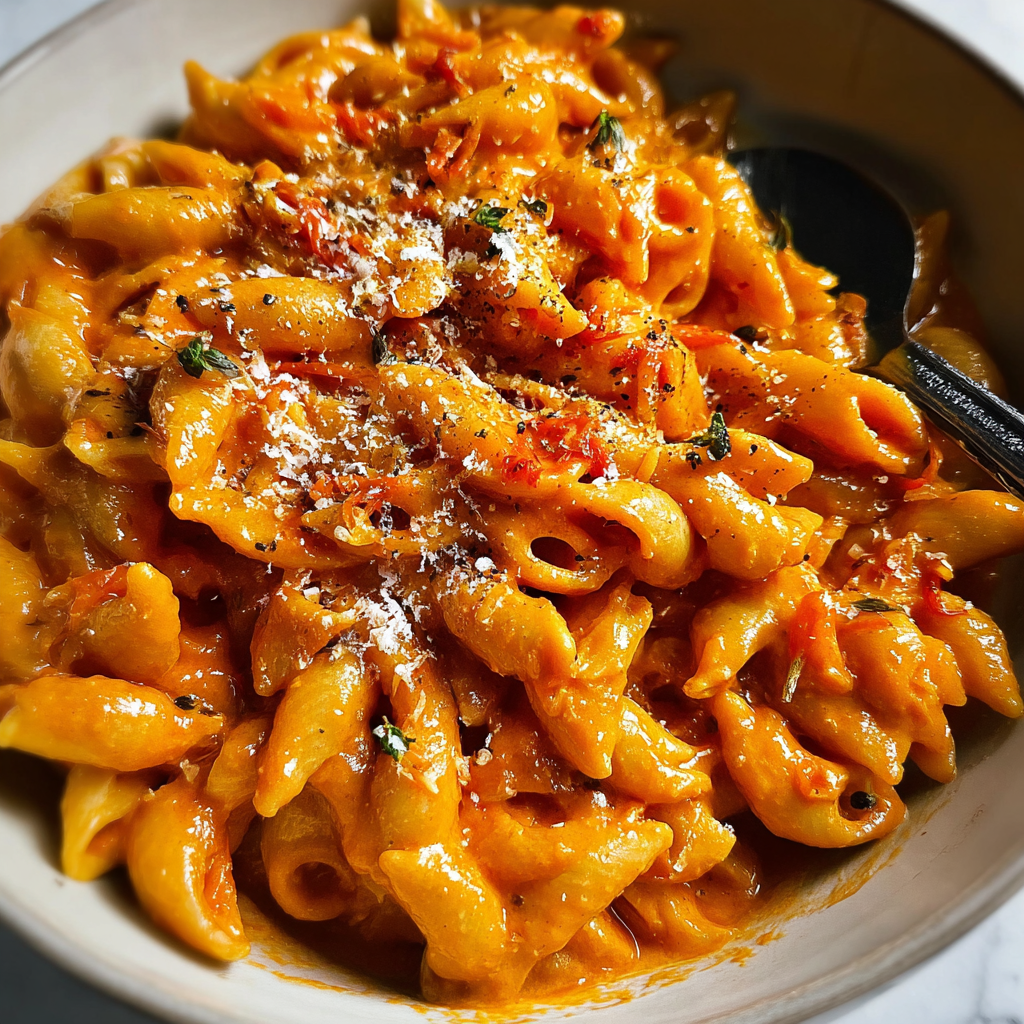
Pour the bright orange-red sauce back into the skillet over low heat. Add the cooked pasta. Toss well to coat. Here is the trick: if the sauce looks too thick or isn’t sticking to the noodles, splash in a little of the reserved pasta water. The starch in the water helps the sauce emulsify and cling to the pasta rather than pooling at the bottom of the pan. I used to skip this step and wondered why my sauce was runny—don’t make my mistake. The pasta will finish cooking in the sauce, absorbing even more flavor. Vegetarian Pasta Recipe: Creamy Lemon Herb with Roasted Veg.
Step 6: Serve
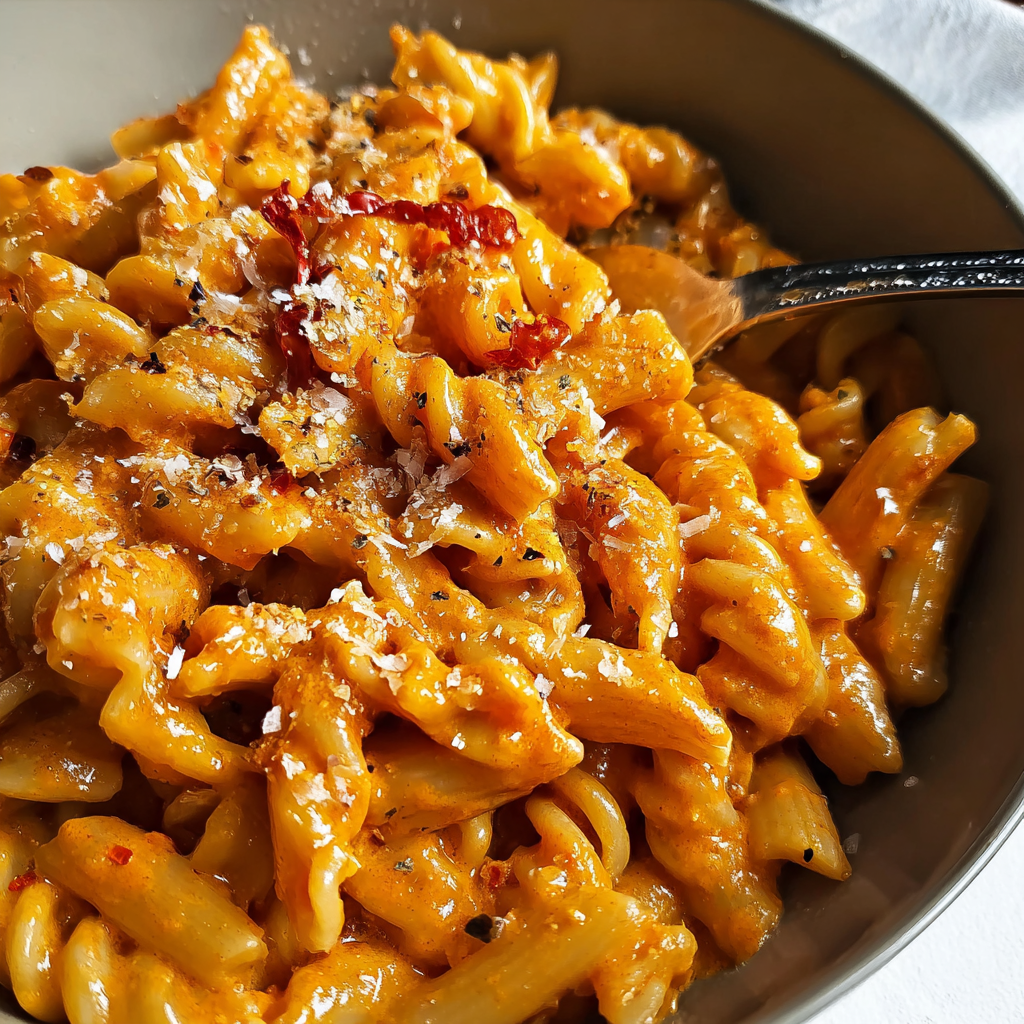
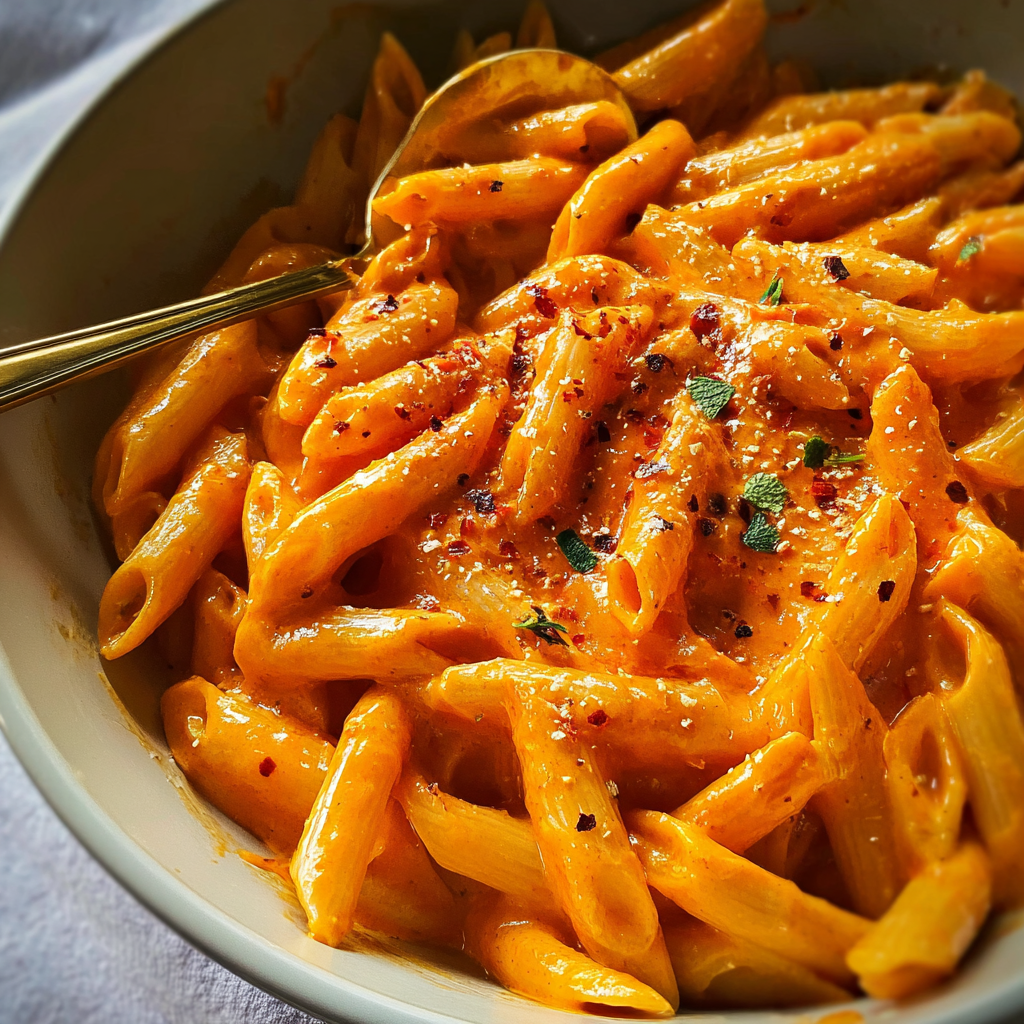
Remove from heat. Stir in the grated Parmesan or nutritional yeast until melted and creamy. Plate immediately, finishing with fresh basil leaves, a sprinkle of red pepper flakes, and an extra crack of black pepper.
⚠️ Common Mistakes to Avoid
Even simple recipes have pitfalls. First, avoid under-seasoning the pasta water. Since the sauce is mild and sweet, the salt from the noodles provides necessary contrast. If your sauce tastes flat, it likely needs more salt or a splash of acid (like lemon juice) to brighten the flavors.
Another common error is under-blending the sauce. If you stop the blender too early, the texture will be grainy. The sauce should be aerated and smooth. Finally, do not rinse your pasta. Washing away the surface starch prevents the sauce from adhering properly, leaving you with slippery noodles and a sad puddle of sauce at the bottom of the bowl.
Delicious Variations & Add-ins
This Roasted Red Pepper Pasta is a blank canvas. For protein, Italian sausage or shrimp are classic pairings that complement the sweetness of the peppers. If you want to keep it plant-based, cannellini beans or chickpeas add bulk and texture without overpowering the dish.
For vegetables, toss in a handful of fresh spinach or kale during the last minute of cooking—the residual heat will wilt it perfectly. If you crave texture, top the dish with toasted pine nuts or walnuts. And for those who love a smoky kick, a pinch of smoked paprika or a dash of cayenne pepper in the blender adds a new dimension of warmth.
Storage & Reheating Tips
Store leftovers in an airtight container in the refrigerator for up to 3 days. The sauce will thicken considerably as it cools because the starches retrograde (crystallize). When reheating, do so gently in a skillet over low heat. Add a splash of water, broth, or milk to loosen the sauce back to its original creamy consistency. Microwaving works in a pinch, but stir halfway through to ensure even heating.
💡 Pro Tips for Perfect Pasta
To elevate this from good to great, use a mandoline to slice your shallots paper-thin. This ensures they caramelize evenly and melt into the sauce rather than remaining as distinct chunks. When roasting peppers, don’t fear the char. The blackened skin is where the smoky flavor lives; just make sure to peel it all off before blending.
Always save more pasta water than you think you need. It is the most powerful tool in your arsenal for fixing a sauce that is too thick or too thin. And finally, taste the sauce after adding the cheese. Parmesan is naturally salty, so adjust your salt levels at the very end to avoid over-seasoning. Simple Garlic Pasta Recipe: 15-Minute Butter & Garlic Pasta.
Frequently Asked Questions (FAQ)
+Can I use jarred roasted red peppers instead of fresh?
Yes, jarred peppers are a great time-saver. Drain them well before using. Since they are already soft, you can skip the roasting step and simmer them with the aromatics for 5 minutes to concentrate their flavor before blending.
+Why is my red pepper pasta sauce watery?
A watery sauce usually means the pasta water wasn’t starchy enough or was added too cold. Make sure to reserve the water right before draining the pasta, when it is cloudiest. Alternatively, simmer the blended sauce a few minutes longer to reduce excess liquid before adding the noodles.
+What can I substitute for heavy cream in this recipe?
You can use full-fat coconut milk for a tropical twist, or unsweetened cashew or oat milk for a neutral flavor. For a richer texture without dairy, blend a handful of raw cashews (soaked in hot water for 30 minutes) directly into the sauce.
+How do I know when the peppers are done roasting?
The peppers are ready when the skins are wrinkled, blackened in spots, and the flesh has collapsed. If the skin isn’t blistering after 20 minutes, move the tray closer to the heating element or use your broiler for the last 2-3 minutes.
+Is this recipe spicy?
The base recipe is mild and sweet. The heat comes entirely from the red pepper flakes. If you are sensitive to spice, omit them entirely. If you love heat, increase the amount or add a pinch of cayenne to the blender.
Roasted Red Pepper Pasta
Ingredients
Method
- Blend the red peppers, water, and broth base until smooth.
- Heat a large skillet over medium heat. Add the butter and shallots; sauté until the shallots are lightly golden brown and caramelized, about 10-15 minutes.
- During this time, cook the pasta according to package directions, to al dente so the noodles can finish in the sauce.
- Turn the heat down to avoid splatters; add the red pepper puree and let it sizzle out for a moment. Then add the cream. Stir to combine; let it gently bubble for a few moments until it has thickened into a nice creamy sauce.
- Add pasta into the sauce; let it simmer for a few moments to thicken and coat the noodles. If needed, add reserved pasta water to reach desired consistency.
- Serve immediately, topped with Parmesan, basil, and/or red pepper flakes. It’s so gooood.
Nutrition
Notes
- For the perfect pasta texture, cook the pasta just until al dente; it will continue to cook slightly when added to the sauce, ensuring it doesn’t become mushy.
- If your sauce is too thick, gradually add reserved pasta water to reach your desired creaminess without diluting the flavor.
- To enhance the roasted flavor, consider broiling fresh bell peppers until charred, then blending them instead of using jarred peppers for a deeper taste.
- If you're short on time, sauté the shallots in butter while the pasta cooks to streamline the process and maximize flavor development.
- This dish can be stored in the fridge for up to 3 days; reheat gently over low heat, adding a splash of cream or pasta water to revive the sauce's consistency.