Introduction
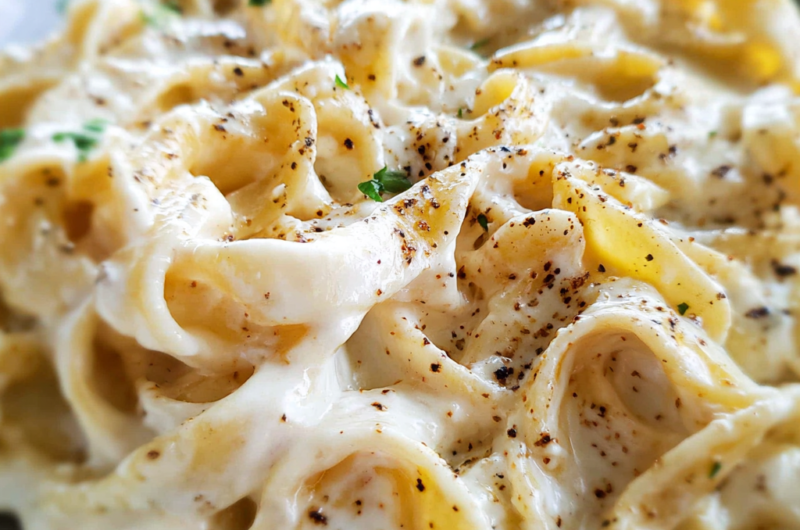
When it comes to comfort food, few dishes can rival the creamy allure of Alfredo and white-sauce pastas. These sauces, rich and decadent, transform simple pasta into an indulgent meal. Whether you prefer a classic Alfredo or explore variations with different ingredients, mastering these sauces can elevate your weeknight dinners.
Creating perfect Alfredo or white-sauce pastas at home is not just about tossing ingredients together; it involves understanding the science behind each component. From choosing the right pasta to achieving the desired sauce consistency, every step plays a crucial role in crafting a dish that will impress your family and friends.
Ingredients
- Fettuccine – 12 oz
Fettuccine is the traditional pasta choice for Alfredo, thanks to its flat, wide shape that holds onto the creamy sauce beautifully. Fresh or dried, it can absorb the flavors well and adds a comforting chewiness to each bite. - Unsalted Butter – 6 tbsp
Butter adds richness and depth to the sauce, helping create a silky texture. Using unsalted allows you to control the seasoning, which is crucial for achieving that perfect balance of flavors. - Heavy Cream – 1 cup
Heavy cream is pivotal for Alfredo's luxurious mouthfeel. It thickens the sauce while providing smoothness, making the pasta wonderfully creamy without overwhelming the palate. - Fresh Garlic – 3 cloves
Garlic adds a subtle yet essential layer of flavor to the sauce. When sautéed, it releases its natural oils, infusing the dish with a delicious aroma that complements the creaminess beautifully. - Parmesan Cheese – 1 cup, grated
Parmesan cheese contributes a savory, nutty flavor that enhances the sauce. Its saltiness rounds out the richness of the cream and butter, providing essential depth to the dish. - Salt – to taste
Salt enhances all the flavors in the dish. Carefully adding it after tasting the sauce helps in achieving the perfect balance without making it overly salty. - Black Pepper – to taste
Freshly cracked black pepper adds a subtle heat and depth of flavor to the creamy sauce. It also provides a delightful contrast to the rich sauce, making each bite more complex.
Directions & Preparation
Step 1: Cook the fettuccine.
Begin by boiling a large pot of salted water. Add the fettuccine and cook according to package instructions until al dente. This step is critical as overcooked pasta will become mushy and lose its ability to hold the sauce effectively. The added salt enhances the pasta's flavor during cooking.
Step 2: Melt the butter in a pan.
In a separate skillet over medium heat, melt the unsalted butter until it begins to foam. This introduces a rich flavor base for your sauce. Be careful not to let it brown too much as burnt butter can impart an unpleasant taste to the final dish.
Step 3: Sauté the garlic.
Add the minced garlic to the melted butter, cooking for about a minute. This step is crucial; it allows the garlic to release its aromatic compounds without burning, which can turn bitter. Stir gently to avoid browning, ensuring it infuses the butter with flavor.
Step 4: Add heavy cream and simmer.
Pour in the heavy cream, then reduce the heat to low. Stir to combine and allow the mixture to simmer gently for about 5 minutes. This step encourages the flavors to meld and the sauce to thicken slightly, creating a luxurious texture without boiling the cream, which could curdle it.
Step 5: Stir in Parmesan cheese.
Remove the pan from heat and gradually stir in the grated Parmesan cheese until melted and smooth. This step is vital to avoid clumping and ensure a silky sauce. The cheese not only thickens the sauce further but also adds a depth of flavor, essential for a truly delicious Alfredo.
Step 6: Combine pasta with the sauce.
Once the pasta is cooked and drained, add it directly to the sauce. Toss thoroughly to coat the fettuccine evenly. This step allows the pasta to absorb some of the sauce, enhancing the overall flavor and ensuring each bite is deliciously creamy.
Step 7: Season and serve.
Taste the dish and adjust seasoning with salt and black pepper as needed. This final step is crucial for balancing flavors; don’t skip it! Serve immediately, garnished with additional cheese or freshly cracked pepper if desired, to add a finishing touch.

Flavor Variations for Your Alfredo
Alfredo sauce is wonderfully adaptable, allowing for various flavor additions that can take your pasta dish to new heights. Consider incorporating sautéed mushrooms for an earthy note, or spinach for a pop of color and nutrients. For those who love a hint of heat, a pinch of red pepper flakes can elevate the dish, delivering a pleasant kick alongside the creaminess.
Incorporating Protein into Your Pasta
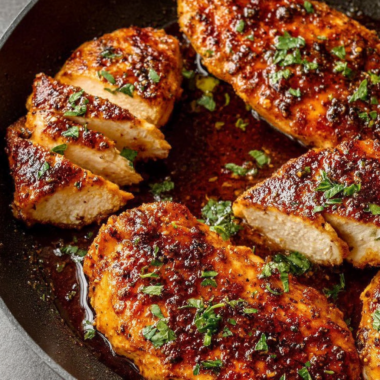
If you’re looking to make your Alfredo and white-sauce pasta more filling, consider adding protein. Grilled chicken, shrimp, or even crispy pancetta can provide a satisfying crunch and enhance the dish's richness. Ensure any additions are pre-cooked and simply mixed in at the end to maintain their texture and flavor.
Perfect Pairings for Your Dish
Pairing your Alfredo pasta with sides can turn a simple meal into a balanced feast. A light, crisp salad dressed with a tangy vinaigrette complements the creaminess beautifully. Roasted vegetables add a burst of flavor and color while also cutting through the richness, making for a well-rounded dining experience.
FAQs
What can I do if my Alfredo sauce is too thick?
If your sauce turns out too thick, gradually stir in small amounts of pasta cooking water or additional heavy cream until you reach the desired consistency. This will help loosen the sauce without losing its creamy texture.
How can I enhance the flavor of my Alfredo sauce?
To boost the flavor of your Alfredo sauce, try adding a splash of lemon juice or zest. This will introduce a refreshing acidity that balances the richness of the cream and cheese, resulting in a more complex dish.
Can I use a different type of cheese for this recipe?
Absolutely! Experimenting with different cheeses like Pecorino Romano or Fontina can offer unique flavors. Just ensure the cheese melts well for a creamy consistency in your sauce.
What type of pasta works best for this Alfredo recipe?
While fettuccine is traditional, other pasta shapes like linguine or penne can also work well. Choose a shape that can hold onto the creamy sauce for the best experience.
What should I do if my garlic burns while cooking?
If garlic burns, unfortunately, it can’t be salvaged, as it will give the sauce a bitter flavor. In that case, start again with fresh butter and garlic, watching closely to prevent burning this time.
Can I make this dish vegetarian?
Absolutely! Simply omit any meat and sauté some vegetables like broccoli or asparagus with the garlic for added texture and flavor, making it a delightful vegetarian meal.
Conclusion
Mastering Alfredo and white-sauce pastas paves the way for countless delicious variations that suit any palate. With a few key ingredients and thoughtful preparation, you can create a dish that feels indulgent yet is entirely achievable at home.
These creamy pastas are not only comforting but also versatile, allowing for creative expressions in your cooking. Embrace the joy of crafting your own sauces, and don’t hesitate to explore flavors and ingredients that resonate with you.
Recipe Card
Perfecting Alfredo and White-Sauce Pastas at Home
Ingredients
- Fettuccine - 12 oz
- Unsalted Butter - 6 tbsp
- Heavy Cream - 1 cup
- Fresh Garlic - 3 cloves
- Parmesan Cheese - 1 cup grated
- Salt - to taste
- Black Pepper - to taste
Instructions
- Cook the fettuccine.
- Melt the butter in a pan.
- Sauté the garlic.
- Add heavy cream and simmer.
- Stir in Parmesan cheese.
- Combine pasta with the sauce.
- Season and serve.
Notes
Additional serving suggestions: pair with a crisp salad, garlic bread, or roasted seasonal vegetables for balance.
For make-ahead, prep components separately and assemble just before heating to preserve texture.
Taste and adjust with acid (lemon/vinegar) and salt right at the end to wake up flavors.