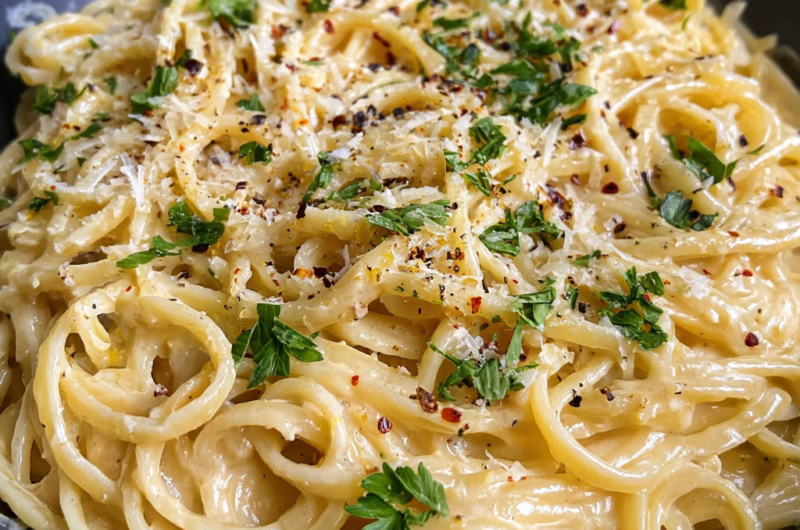
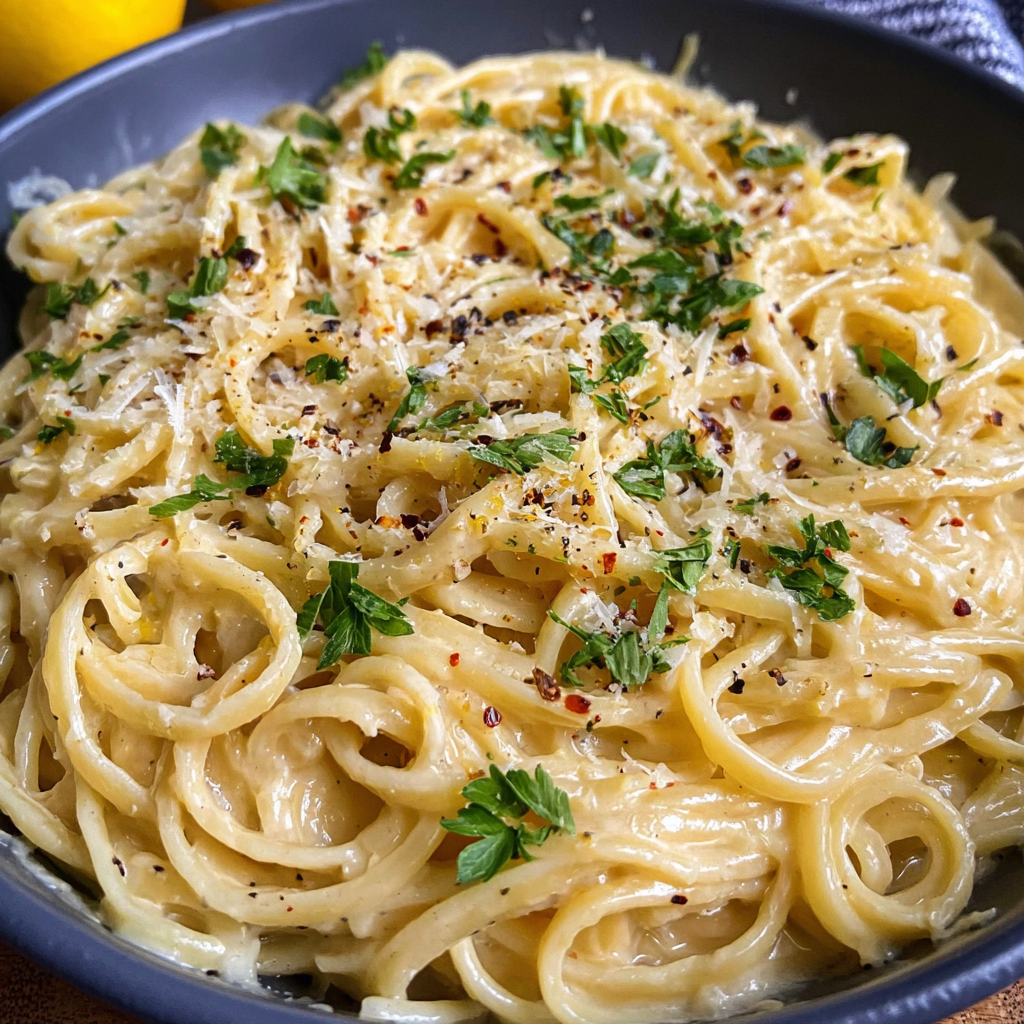
Lemon Butter Garlic Pasta Sauce (Pasta al Limone)
Ingredients
Method
- Cook the pasta al dente in salted water according to the instructions on the package. Reserve 1-2 cups of pasta water before draining.
- Meanwhile, heat the olive oil in a large pan or Dutch oven and melt the butter in it over low-medium heat.
- Stir in the garlic and red chilli flakes and cook for 1-2 minutes until the garlic changes its colour, careful not to burn it.
- Transfer the cooked pasta to the pan and toss well with a pair of kitchen tongs to cover it in the butter sauce. Add a splash of pasta water if it looks too thick.
- Stir in the lemon zest and juice, then add the Parmesan and toss well to combine.
- Add the chopped parsley, season to taste and serve immediately, topped with additioanl grated cheese and lemon zest if you like.
Nutrition
Notes
- To ensure your pasta sauce is perfectly creamy, reserve at least 1 cup of starchy pasta water before draining; add it gradually to achieve your desired consistency.
- Cook the garlic over low heat to avoid burning; it should be golden and fragrant, not dark brown, to maintain a sweet flavor profile.
- If you prefer a lighter option, substitute the unsalted butter with avocado oil or a plant-based margarine, but keep in mind this may alter the sauce's flavor slightly.
- For leftovers, store the pasta in an airtight container in the fridge for up to three days; to reheat, add a splash of reserved pasta water and warm it gently on the stovetop for the best texture.
- To save time, you can zest and juice the lemon while the pasta cooks, allowing the flavors to meld perfectly as you prepare the sauce.
Tried this recipe?
Let us know how it was!A bright, velvety sauce that comes together in the time it takes to boil pasta—no heavy cream required.
📋 In This Article
Introduction
There is a specific kind of magic in a bowl of Lemon Butter Pasta Sauce. It hits that elusive trifecta: it’s fast, it’s luxurious, and it relies entirely on pantry staples. Inspired by the Italian classic Pasta al Limone, this recipe proves that you don’t need a carton of heavy cream to achieve a velvety, coating texture. Instead, it leans on the science of emulsification—harnessing the starch from your pasta water to bind rich butter and bright lemon juice into a glossy sauce.
I’ve spent years testing pasta sauces, and this one is a weeknight workhorse. It’s bold and garlicky, with a zesty punch that cuts through the richness. Whether you’re tossing it with spaghetti, linguine, or short shapes like penne, the result is the same: a creamy, comforting dish that feels intentional, not thrown together. Simple Garlic Pasta Recipe: 15-Minute Butter & Garlic Pasta.
Why This Recipe Works
This isn’t just tossing fat and acid in a pan. It’s applied chemistry. The secret lies in the pasta water. When you cook pasta, it releases starch into the water. When you combine that starchy liquid with fat (butter and olive oil) and an acid (lemon juice), you create an emulsion.
Think of it like a mayonnaise, but hot. The starch molecules act as stabilizers, preventing the butterfat from separating and instead creating a thick, creamy consistency that clings to every noodle. This technique, often used in classic Roman carbonara, is what separates a greasy pasta dish from a restaurant-quality one. By cooking the pasta al dente, you ensure it retains structure while absorbing the tangy sauce, resulting in a dish that is light yet deeply satisfying.
Essential Ingredients You’ll Need
- Pasta: 300 g (10.5 oz) of linguine or spaghetti. Long strands offer the most surface area for the sauce to grip.
- Olive Oil: 1 tablespoon of high-quality extra virgin olive oil. Use one with a peppery finish for depth.
- Butter: 40 g (2 tablespoons) of unsalted butter. Unsalted allows you to control the seasoning; the dairy solids here provide the luxury mouthfeel.
- Garlic: 6 cloves of garlic, finely sliced. Slicing (rather than mincing) prevents burning and offers a sweeter, mellower infusion.
- Red Chilli Flakes: ½ teaspoon of red chilli flakes. Optional, but they add a necessary back-note of heat to balance the acid.
- Lemon: The zest and juice of 1 unwaxed lemon. Unwaxed is crucial for the zest; if you can’t find one, give it a vigorous scrub under warm water.
- Parmesan Cheese: 50 g (½ cup) of freshly grated Parmesan cheese. Please grate it yourself; pre-grated cheese is coated in cellulose and won’t melt smoothly.
- Salt and Black Pepper: Season to taste with salt and freshly ground black pepper.
- Fresh Parsley: A handful of freshly chopped parsley for a hit of herbal freshness at the end.
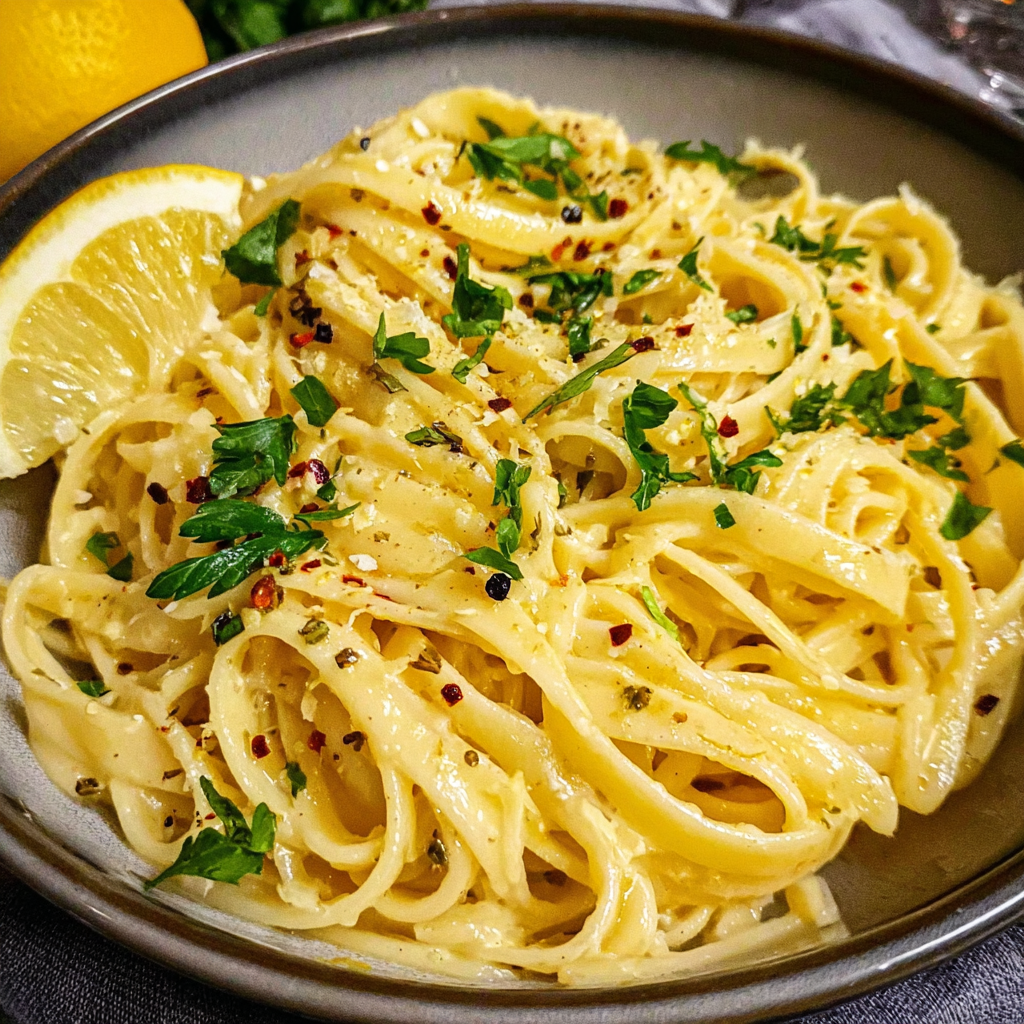
Step-by-Step Instructions
- Cook the Pasta: Bring a large pot of water to a boil. Salt it generously—it should taste like a seasoned soup. Add your pasta and cook until al dente (usually 1 minute less than the package instructions). Before draining, reserve at least 1-2 cups of pasta water. This liquid is liquid gold for your sauce.
- Sauté the Aromatics: In a large skillet or saucier, heat 1 tablespoon of olive oil over medium heat. Add the unsalted butter and sliced garlic. Sauté gently for 2-3 minutes. You want the garlic to soften and turn pale gold, not brown.
- Note: If the garlic browns too fast, your heat is too high. Burnt garlic is bitter and ruins the sauce. Pull it back.
- Deglaze and Emulsify: Once the garlic is fragrant, pour in the lemon juice and lemon zest, along with about ¼ cup of the reserved pasta water. The liquid will bubble vigorously. Use a wooden spoon or whisk to scrape up any fond (the tasty browned bits) from the bottom of the pan. This is the start of your emulsion.
- Toss and Finish: Add the drained pasta directly into the skillet. Using tongs, toss vigorously. As you toss, the sauce will thicken and coat the noodles. If it looks too dry or sticky, add more pasta water, a splash at a time. The motion of tossing helps the starch and fat bind.
- Serve: Remove the pan from the heat. Stir in the grated Parmesan cheese and fresh parsley. The residual heat will melt the cheese. Season with black pepper and salt if needed. Serve immediately.
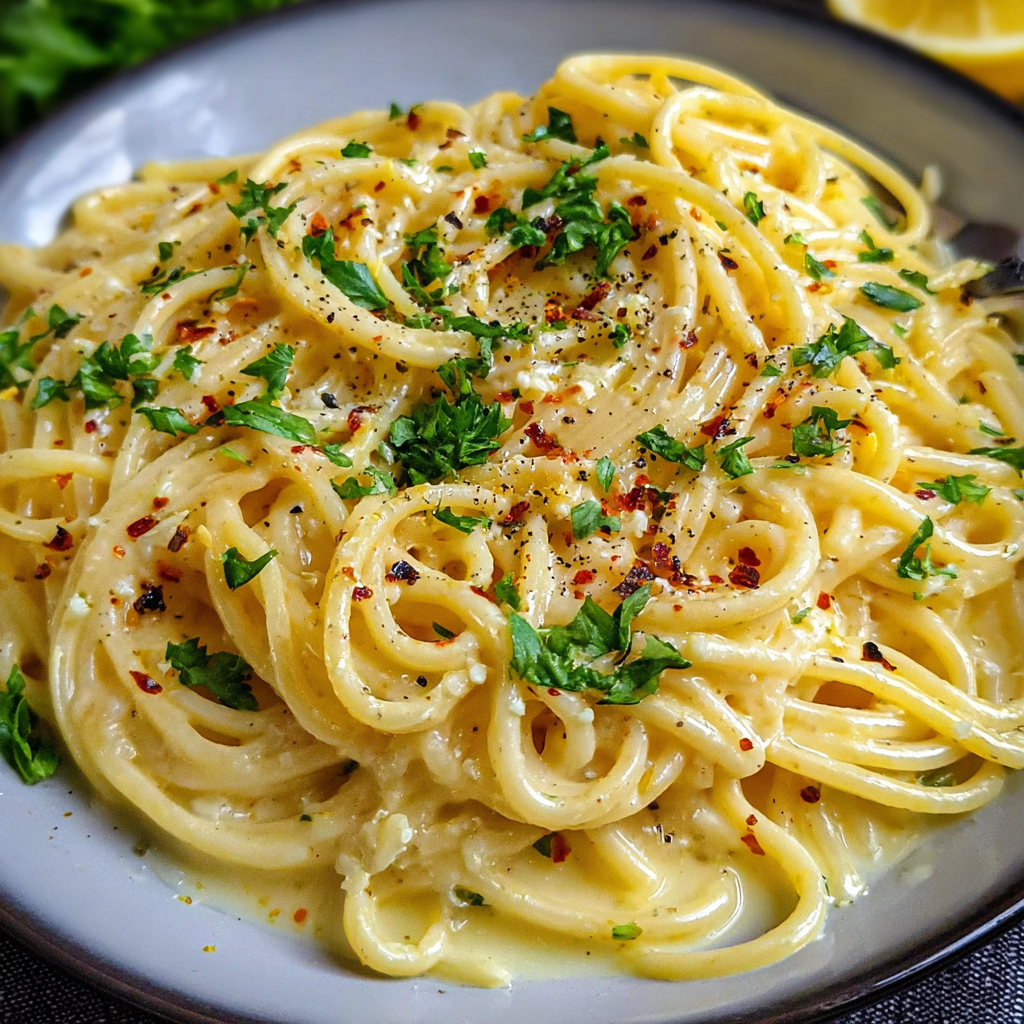
The Secret to a Naturally Creamy Sauce
Creating a naturally creamy sauce without dairy cream comes down to one thing: agitation. When you add the pasta water to the butter and lemon juice, the mixture looks broken—oil and water separating. But when you add the pasta and toss it vigorously, the starch granules swell and leach amylose (a starch molecule).
This amylose acts as an emulsifier, physically linking the water and fat molecules. The result? A velvety, opaque sauce that feels heavy on the palate but remains light on the stomach. Don’t just stir; toss with energy to force this reaction. If the sauce tightens up too much as it sits, a tiny splash of hot water will bring it back to life.
⚠️ Common Mistakes to Avoid
Even simple recipes can go sideways. Here are the pitfalls I see most often:
- Burning the Garlic: This is the most common error. Garlic has a low water content and burns fast. Keep your heat at medium or medium-low. If you see the edges turning dark brown, take the pan off the heat immediately.
- Skipping the Pasta Water: If you don’t reserve the starchy water, you’ll end up with greasy butter coating wet noodles. You need that starch to bridge the gap between fat and liquid.
- Using Cold Butter: Cold butter won’t emulsify properly. Make sure your butter is room temperature, or cut it into small cubes so it melts evenly.
- Over-zesting the Lemon: Avoid the white pith. It is intensely bitter. Use a microplane and rotate the lemon frequently to shave off just the yellow oils.
Variations & Add-ins
This Lemon Butter Pasta Sauce is a blank canvas.
- Add Protein: Sautéed shrimp is a classic pairing—cook them in the pan first, remove, and add them back at the end. Shredded rotisserie chicken or even crispy pancetta works beautifully.
- Vegan Adaptation: Swap the butter for a high-quality plant-based butter alternative (avoid margarine, which has too much water) and use nutritional yeast or vegan Parmesan in place of dairy cheese.
- Vegetable Boost: Toss in fresh spinach or frozen peas during the last minute of pasta boiling. They wilt perfectly into the hot sauce. Roasted asparagus or cherry tomatoes also add sweetness.
Storage & Reheating Tips
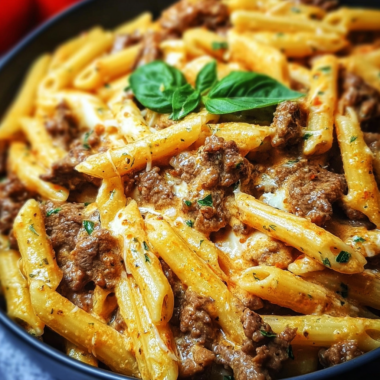
This dish is best eaten fresh. However, if you have leftovers, store the sauce and pasta together in an airtight container in the fridge for up to 3 days. Chicken Pasta Alfredo Bake: Creamy, Cheesy, and Ready in 45 Minutes.
Reheating is tricky because the sauce solidifies when cold. To fix this, place the pasta in a skillet with a splash of water. Cover and heat over medium-low heat. The steam and water will re-hydrate the starches and “wake up” the sauce, returning it to a creamy state. Microwave reheating often leads to dry, rubbery pasta, so the stovetop method is strongly preferred.
💡 Pro Tips for Success
To take this from good to great, keep these tips in mind: Creamy Chicken Pasta Recipe: A 20-Minute Weeknight Fix.
- Microplane Matters: Use a microplane for your lemon zest. It creates a fine, fragrant powder that distributes evenly through the sauce, rather than stringy strips you have to chew.
- Salt Your Water Aggressively: The pasta needs to be seasoned from the inside out. If the water isn’t salty enough, the dish will taste flat, no matter how much Parmesan you add.
- Save More Water Than You Think: I always save a mug full of pasta water. You might not use it all, but it’s better to have it than to need it.
- Serve Immediately: This is a temperamental sauce. As it cools, the butter solidifies. It is at its peak silky texture the moment it leaves the pan.
Frequently Asked Questions (FAQ)
+Why is my Lemon Butter Pasta Sauce too thin?
If your sauce is thin, it likely needs more time to reduce or more starch. Try tossing the pasta over the heat for another minute to evaporate excess water, or add a slurry of cornstarch and water (though traditional pasta water usually suffices).
+Can I use bottled lemon juice instead of fresh?
Fresh lemon juice is highly recommended. Bottled juice often contains preservatives and lacks the bright, volatile oils of fresh citrus. It can taste metallic or flat in a simple sauce like this.
+How do I know when the garlic is cooked enough?
Look for a pale golden color. It should smell sweet and aromatic, not sharp. If it smells acrid, it’s burnt. Remember, garlic continues cooking even after you take it off the heat, so pull it a shade before you think it’s done.
+Can I make this recipe vegan?
Yes. Substitute the butter for a vegan butter stick (not tub margarine) and use nutritional yeast or a vegan hard cheese alternative. The emulsification process works the same way.
+What pasta shapes work best?
Long, thin strands like linguine, spaghetti, or fettuccine are ideal because they have a high surface-area-to-volume ratio, allowing the sauce to coat them evenly. However, short shapes like rigatoni work well if you want the sauce to pool inside the tubes.
+Why does my lemon sauce taste bitter?
Bitterness usually comes from two places: burnt garlic or the white pith of the lemon. Be gentle with the garlic and careful when zesting to take only the bright yellow outer layer.
+Can I cook the pasta in advance?
You can, but it’s not ideal for this recipe. Freshly cooked, hot pasta is essential for creating the emulsion. If you must prep ahead, undercook the pasta slightly, toss it in oil to prevent sticking, and finish cooking it in the boiling water for 60 seconds before saucing.
Lemon Butter Garlic Pasta Sauce (Pasta al Limone)
Ingredients
Method
- Cook the pasta al dente in salted water according to the instructions on the package. Reserve 1-2 cups of pasta water before draining.
- Meanwhile, heat the olive oil in a large pan or Dutch oven and melt the butter in it over low-medium heat.
- Stir in the garlic and red chilli flakes and cook for 1-2 minutes until the garlic changes its colour, careful not to burn it.
- Transfer the cooked pasta to the pan and toss well with a pair of kitchen tongs to cover it in the butter sauce. Add a splash of pasta water if it looks too thick.
- Stir in the lemon zest and juice, then add the Parmesan and toss well to combine.
- Add the chopped parsley, season to taste and serve immediately, topped with additioanl grated cheese and lemon zest if you like.
Nutrition
Notes
- To ensure your pasta sauce is perfectly creamy, reserve at least 1 cup of starchy pasta water before draining; add it gradually to achieve your desired consistency.
- Cook the garlic over low heat to avoid burning; it should be golden and fragrant, not dark brown, to maintain a sweet flavor profile.
- If you prefer a lighter option, substitute the unsalted butter with avocado oil or a plant-based margarine, but keep in mind this may alter the sauce's flavor slightly.
- For leftovers, store the pasta in an airtight container in the fridge for up to three days; to reheat, add a splash of reserved pasta water and warm it gently on the stovetop for the best texture.
- To save time, you can zest and juice the lemon while the pasta cooks, allowing the flavors to meld perfectly as you prepare the sauce.