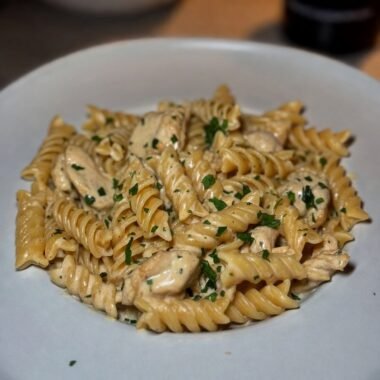
Creamy Garlic Pasta & Shells
Ingredients
Method
- Add ingredients for the steak to a gallon sized zipper bag. Let marinate at least 30 minutes (up to overnight)
- Start water boiling for the pasta.
- In a stove top grill pan (or frying pan), over medium high heat, add marinated steaks. Cook for 3 minutes on each side. Reduce heat to medium and cover pan. Let cook another 5 minutes (or until steak is to desired doneness), Remove from heat and let rest for at least 5 minutes before slicing into pieces roughly the size of the pasta you chose.
- In a sauce pan over medium heat, add oil, butter and two teaspoons of garlic powder. Once melted whisk in flour. Let cook for 3 minutes then whisk in broth, and salt. Cook another 3 minutes and whisk in heavy cream. Let cook another 3 minutes.
- Add pasta to boiling water and cook as directed on the package. Drain in colander and rinse with cool water. Return to pot away from heat. Add cut steak to pot as well.
- Remove sauce from heat and stir in remaining garlic powder, and parsley. Pour over cooked pasta and steak, then stir to evenly coat.
Nutrition
Notes
- For a perfectly cooked steak, aim for an internal temperature of 130°F for medium-rare; let it rest for at least 5 minutes before slicing to retain juices.
- To prevent your creamy sauce from breaking, always whisk in the heavy cream gradually and avoid boiling it after adding the cream.
- If you're short on time, marinate the steak for just 30 minutes; you'll still get great flavor without the wait of an overnight marinade.
- For a different twist, substitute the steak with grilled chicken or shrimp, adjusting cooking times accordingly for a lighter option.
- Store any leftovers in an airtight container in the fridge for up to 3 days, and gently reheat the pasta with a splash of cream to restore its creamy texture.
Tried this recipe?
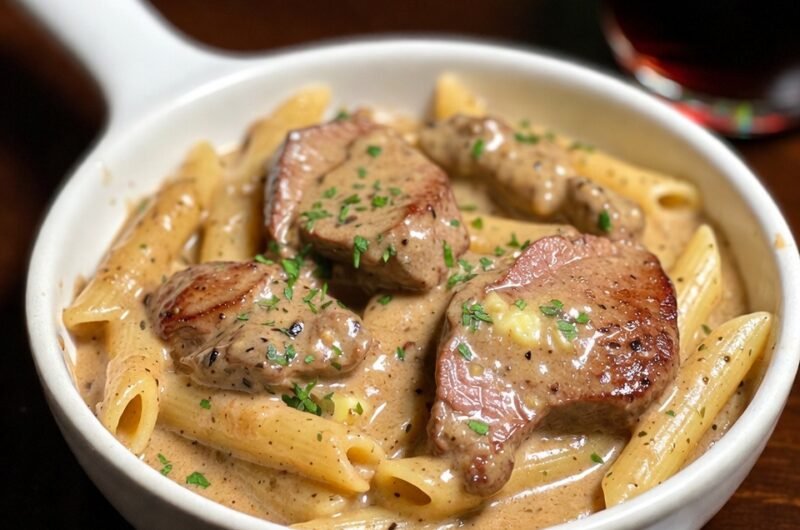
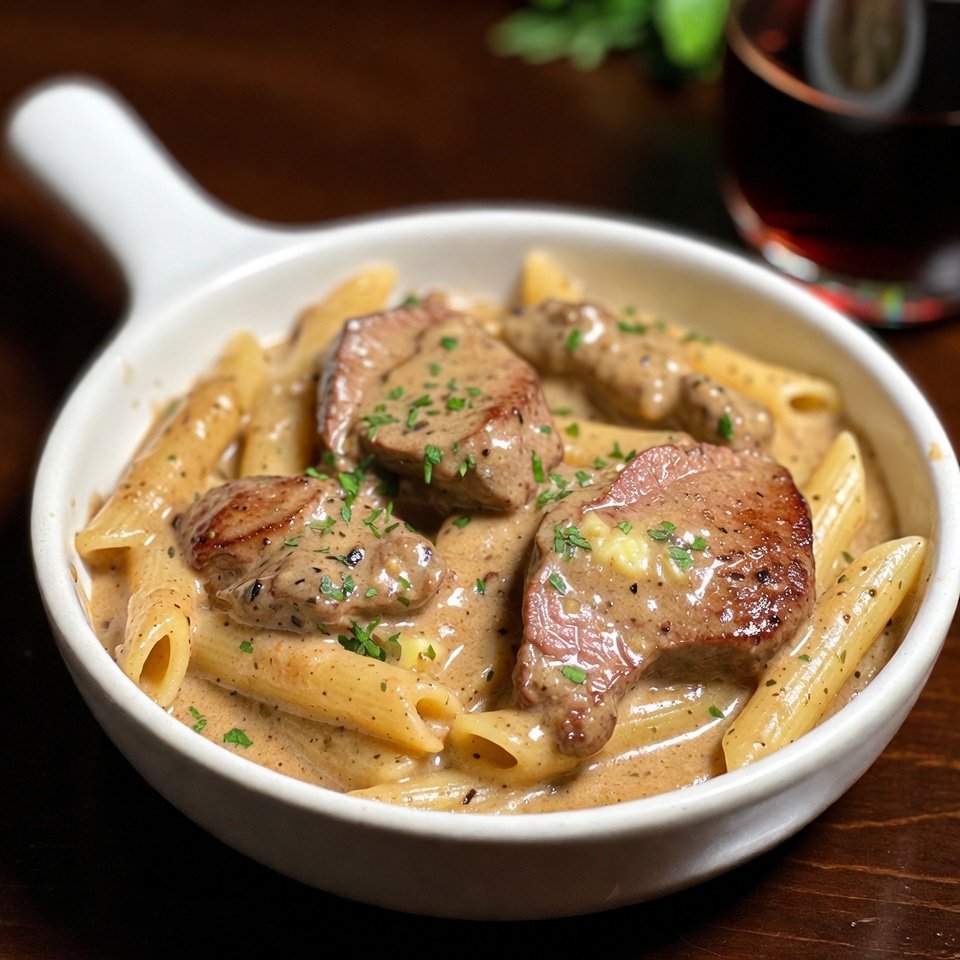
Let us know how it was!Tender, seared steak strips tossed in a velvety garlic-parmesan cream sauce. It’s weeknight comfort food that feels expensive but takes barely 30 minutes.
📋 In This Article
Introduction
There’s a specific kind of satisfaction that comes from searing a steak until it develops a deep, caramelized crust. That sound—the aggressive sizzle as moisture meets hot iron—is the start of something good. This garlic butter steak pasta creamy recipe is designed for those nights when you want that steakhouse experience but only have the energy for a one-pan cleanup. It’s a dish that relies on high heat, good butter, and the patience to let the fond—those sticky, browned bits left behind in the pan—do the heavy lifting for your sauce.
We aren’t just throwing ingredients in a pot here. We are building layers. First, the Maillard reaction on the beef creates hundreds of new flavor compounds. Then, we deglaze that flavor into a rich, velvety sauce that clings to every curve of the pasta. It’s fast, yes, but it’s also deeply considered. Roasted Red Pepper Pasta: Creamy, Easy Weeknight Dinner.
Why This Recipe Works
This isn’t just another pasta dish; it’s a study in thermodynamics and emulsification. The genius of this garlic butter steak pasta creamy recipe lies in the sequence. By searing the steak first, we create a flavor base in the pan that powdered spices or bouillon simply cannot replicate. When we add the beef broth to the hot skillet, we aren’t just adding liquid; we are dissolving the concentrated proteins and sugars left behind by the searing process.
The sauce structure matters, too. Using a combination of heavy cream and a flour-based roux ensures the sauce is stable. It won’t break or separate when you toss the hot pasta in it. The starch from the pasta water further binds the fats, creating a glossy, restaurant-style finish that stays creamy from the first bite to the last.
Ingredients You’ll Need
To create this garlic butter steak pasta creamy recipe, gather the following high-quality ingredients:
For the Steak:
- 2 lb Sirloin, Ribeye, or New York Strip Steak (choose your preferred cut for the best flavor)
- 1 tbsp Olive Oil (for searing)
- 1 tsp Salt (to enhance the steak’s natural flavors)
- 1 tsp Pepper
- 1 tbsp Onion Powder (for added depth)
- 1 tbsp Paprika (for a hint of smokiness)
For the Pasta and Sauce:
- 1½ lb Fusilli, Penne, or Fettuccine Pasta (select your favorite type for texture)
- 2 tbsp Butter (for a rich buttery taste)
- 3 cloves Garlic (minced, for that essential garlic flavor)
- 1 cup Heavy Cream (for a creamy consistency)
- 4 tbsp Flour (to thicken the sauce)
- 2 cups Beef Broth (for a savory base)
- 1 cup Freshly Grated Parmesan Cheese (for a cheesy finish)
- 2 tbsp Fresh Parsley (chopped, for garnish)
Optional Garnishes:
- Additional Parmesan Cheese
- Cracked Black Pepper
- Extra Parsley
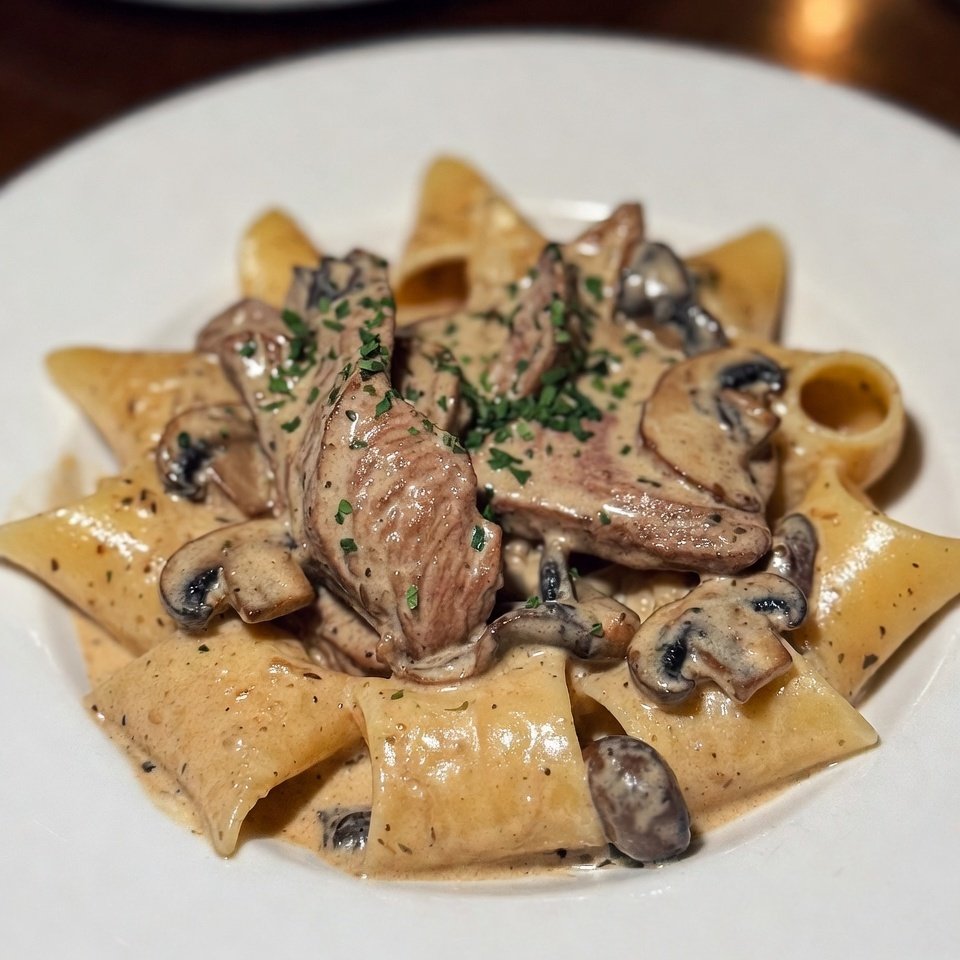
Step-by-Step Instructions
- Season the Meat: Pat the steak dry with paper towels—moisture is the enemy of a good crust. Season generously with salt, pepper, onion powder, and paprika. Let it sit at room temperature for 15 minutes. This brief rest allows the salt to dissolve and penetrate the surface, ensuring the seasoning isn’t just sitting on top.
- Sear the Steak: Heat a large, heavy skillet (cast iron is best) over medium-high heat with the olive oil. Once the oil shimmers, lay the steak in the pan. Don’t crowd it; if your pan is small, do this in batches. Sear for 3-4 minutes per side for medium-rare. We are looking for a deep mahogany crust. That color is flavor. Transfer the steak to a plate and let it rest for at least 5 minutes. Here’s the science: if you cut into it now, the juices run right out onto the plate. Resting allows the muscle fibers to relax and reabsorb that liquid.
- Build the Roux: In the same skillet (don’t wash it!), reduce the heat to medium. Add the butter. Once melted, sprinkle in the flour. Whisk constantly for about 1 minute to cook out the raw flour taste. It should look like a smooth, bubbling paste. The first time I skipped cooking the roux properly, the sauce tasted distinctly chalky—don’t rush this step.
- Deglaze and Simmer: Add the minced garlic and cook for 30 seconds until fragrant. Pour in the beef broth slowly, whisking furiously to dissolve the roux into the liquid. This is where you scrape up every last bit of browned fond from the bottom of the pan. That is pure, concentrated flavor. Pour in the heavy cream and bring the mixture to a gentle simmer. Let it thicken until it coats the back of a spoon, about 5-7 minutes.
- Cook the Pasta: While the sauce reduces, bring a large pot of salted water to a boil. Add your pasta and cook until al dente (usually 1 minute less than the package says). Reserve 1 cup of the starchy pasta water before draining.
- Combine and Serve: Slice the rested steak against the grain into strips. Add the drained pasta to the skillet with the sauce. Toss vigorously. If the sauce is too thick, splash in a bit of that reserved pasta water to loosen it—it helps the sauce emulsify and stick to the noodles. Stir in the Parmesan cheese until melted and smooth. Top with sliced steak and fresh parsley. Serve immediately.
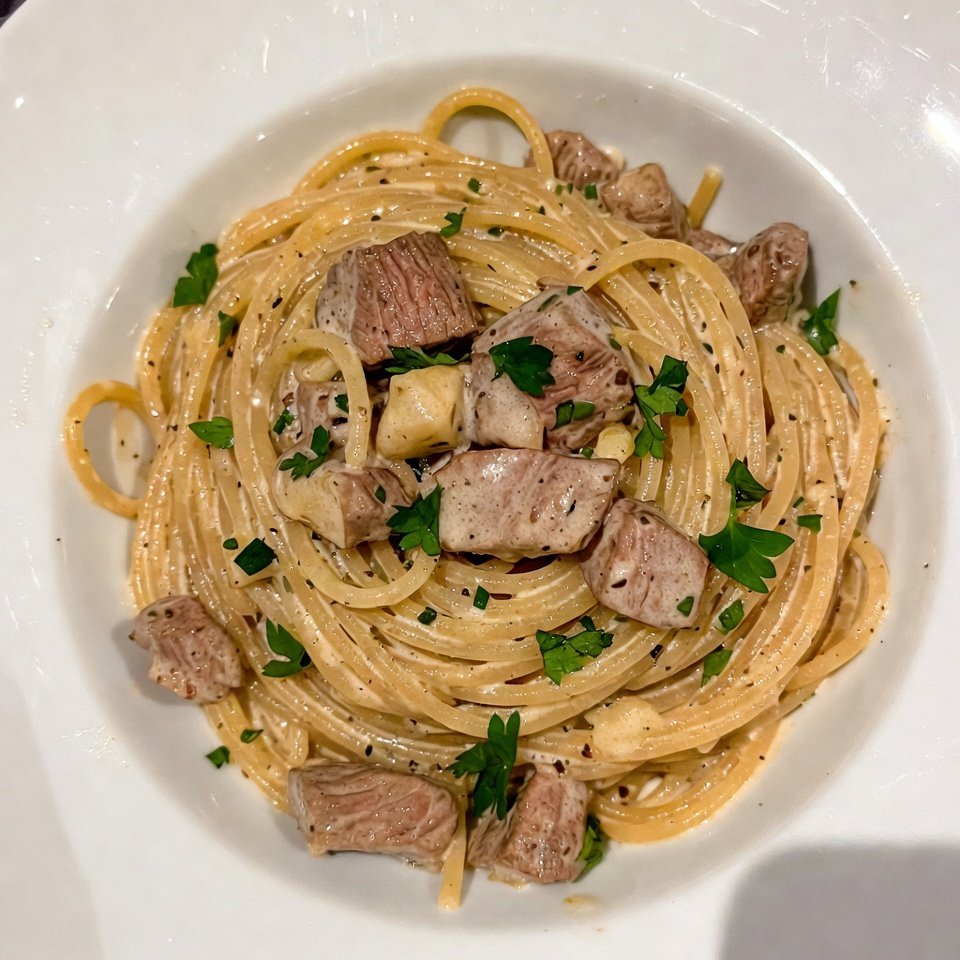
⚠️ Common Mistakes to Avoid
When preparing this dish, avoiding common pitfalls can elevate your results from average to outstanding.
- Overcrowding the Pan: If you crowd the steak in the pan, the temperature drops, and the meat steams instead of searing. You lose that critical Maillard reaction. Cook in batches if necessary to maintain high heat contact.
- Skipping the Pasta Water: That cloudy water is liquid gold. It’s full of starch that helps bind the fat in the cream sauce to the pasta. Without it, your sauce might slide right off the noodles and pool at the bottom of the bowl.
- Using Pre-Ground Pepper: For steak, fresh cracked pepper is non-negotiable. The pre-ground stuff lacks the essential oils that provide pungency and heat.
- Overcooking the Garlic: Burnt garlic is bitter and acrid. Add it after the butter and roux, and only cook it briefly before adding liquids. It should be aromatic, not brown.
- Cutting Steak Hot: I know it’s tempting to slice right away. But carryover cooking is real. If you slice immediately, you lose juice. Let it rest.
Variations & Substitutions
This recipe is a flexible template. Here are a few ways to adapt it: Savor the Richness of Garlic Butter Steak Pasta.
- Spicy Kick: Add ½ teaspoon of red pepper flakes to the garlic butter sauce for a “fra diavolo” vibe that cuts through the richness.
- Mushroom Lovers: Sauté sliced cremini mushrooms in the butter before making the roux. They add an earthy, umami depth that pairs perfectly with beef.
- Lighter Version: Substitute half-and-half for heavy cream, though the sauce will be less luxuriously thick. You may need to simmer it longer to reduce.
- Different Proteins: This sauce works beautifully with chicken thighs or seared shrimp. Just adjust cooking times accordingly.
Storage & Reheating Tips
Leftovers are rare with this dish, but if you have them, store the pasta and sauce in an airtight container in the refrigerator for up to 3 days. Note that the sauce may thicken considerably when cold.
To reheat, add the pasta to a skillet with a splash of water or milk. Warm gently over medium-low heat, stirring constantly. Avoid the microwave if possible—it tends to separate the cream sauce and make the steak rubbery. If you must freeze it, know that cream sauces can sometimes grain upon thawing, though a vigorous whisk usually brings it back together.
💡 Pro Tips for Success
To ensure your garlic butter steak pasta creamy recipe turns out perfectly every time, follow these pro tips:
- Use a Cast Iron Skillet: It retains heat better than stainless steel or non-stick, ensuring a perfect crust on the steak even when the cold meat hits the pan.
- Grate Your Own Cheese: Pre-shredded cheese is coated in cellulose (anti-caking agents) that prevent it from melting smoothly. Always grate your Parmesan from a block.
- Sauce Consistency: The sauce should be slightly thinner than you want it before adding the pasta. The pasta will absorb liquid and the cheese will thicken it further.
- Slice Against the Grain: Look for the direction of the muscle fibers in the steak and cut perpendicular to them. This shortens the fibers, making the meat significantly more tender to chew.
Serving Suggestions
For a complete meal, balance the richness of the pasta with something acidic and crisp. A simple arugula salad with lemon vinaigrette cuts through the cream beautifully. Or, serve with roasted broccoli or asparagus to add a charred vegetable element. A glass of bold Cabernet Sauvignon or a spicy Zinfandel stands up well to the garlic and beef. Flavorful Steak and Shrimp Stuffed Bread Delight.
Frequently Asked Questions (FAQ)
+Why is my cream sauce grainy?
Graininess usually happens when the heat is too high, causing the proteins in the cheese or cream to separate. Keep the heat at a gentle simmer—never a rolling boil—when adding dairy.
+Can I use milk instead of heavy cream?
You can, but the sauce will be much thinner. To compensate, you might need to increase the flour in your roux by a tablespoon or let the sauce simmer longer to reduce. The texture won’t be as velvety.
+What is the best steak cut for pasta?
Sirloin is a great balance of flavor and cost for pasta dishes. Ribeye offers more fat and richness, while New York Strip provides a firmer “chew.” For this recipe, I prefer Sirloin or Ribeye because they remain tender when sliced.
+How do I know when the steak is done?
Use a meat thermometer. 130°F is medium-rare, 135°F is medium. Remember that the steak will continue to rise in temperature (carryover cooking) by about 5 degrees after you pull it from the pan.
+Can I make this gluten-free?
Yes. Use gluten-free pasta and substitute the all-purpose flour with a 1:1 gluten-free flour blend or cornstarch slurry (mix cornstarch with cold water before adding). Ensure your beef broth is certified gluten-free.
Conclusion
This garlic butter steak pasta creamy recipe is the ultimate weeknight hack. It proves that you don’t need hours to create a meal with depth and character. By respecting the heat of the pan and the chemistry of the sauce, you turn simple ingredients into something that feels indulgent. Whether you’re cooking for a hungry family or just treating yourself on a Tuesday, this dish delivers. Get the pan hot, grate the cheese fresh, and enjoy the process.
Creamy Garlic Pasta & Shells
Ingredients
Method
- Add ingredients for the steak to a gallon sized zipper bag. Let marinate at least 30 minutes (up to overnight)
- Start water boiling for the pasta.
- In a stove top grill pan (or frying pan), over medium high heat, add marinated steaks. Cook for 3 minutes on each side. Reduce heat to medium and cover pan. Let cook another 5 minutes (or until steak is to desired doneness), Remove from heat and let rest for at least 5 minutes before slicing into pieces roughly the size of the pasta you chose.
- In a sauce pan over medium heat, add oil, butter and two teaspoons of garlic powder. Once melted whisk in flour. Let cook for 3 minutes then whisk in broth, and salt. Cook another 3 minutes and whisk in heavy cream. Let cook another 3 minutes.
- Add pasta to boiling water and cook as directed on the package. Drain in colander and rinse with cool water. Return to pot away from heat. Add cut steak to pot as well.
- Remove sauce from heat and stir in remaining garlic powder, and parsley. Pour over cooked pasta and steak, then stir to evenly coat.
Nutrition
Notes
- For a perfectly cooked steak, aim for an internal temperature of 130°F for medium-rare; let it rest for at least 5 minutes before slicing to retain juices.
- To prevent your creamy sauce from breaking, always whisk in the heavy cream gradually and avoid boiling it after adding the cream.
- If you're short on time, marinate the steak for just 30 minutes; you'll still get great flavor without the wait of an overnight marinade.
- For a different twist, substitute the steak with grilled chicken or shrimp, adjusting cooking times accordingly for a lighter option.
- Store any leftovers in an airtight container in the fridge for up to 3 days, and gently reheat the pasta with a splash of cream to restore its creamy texture.