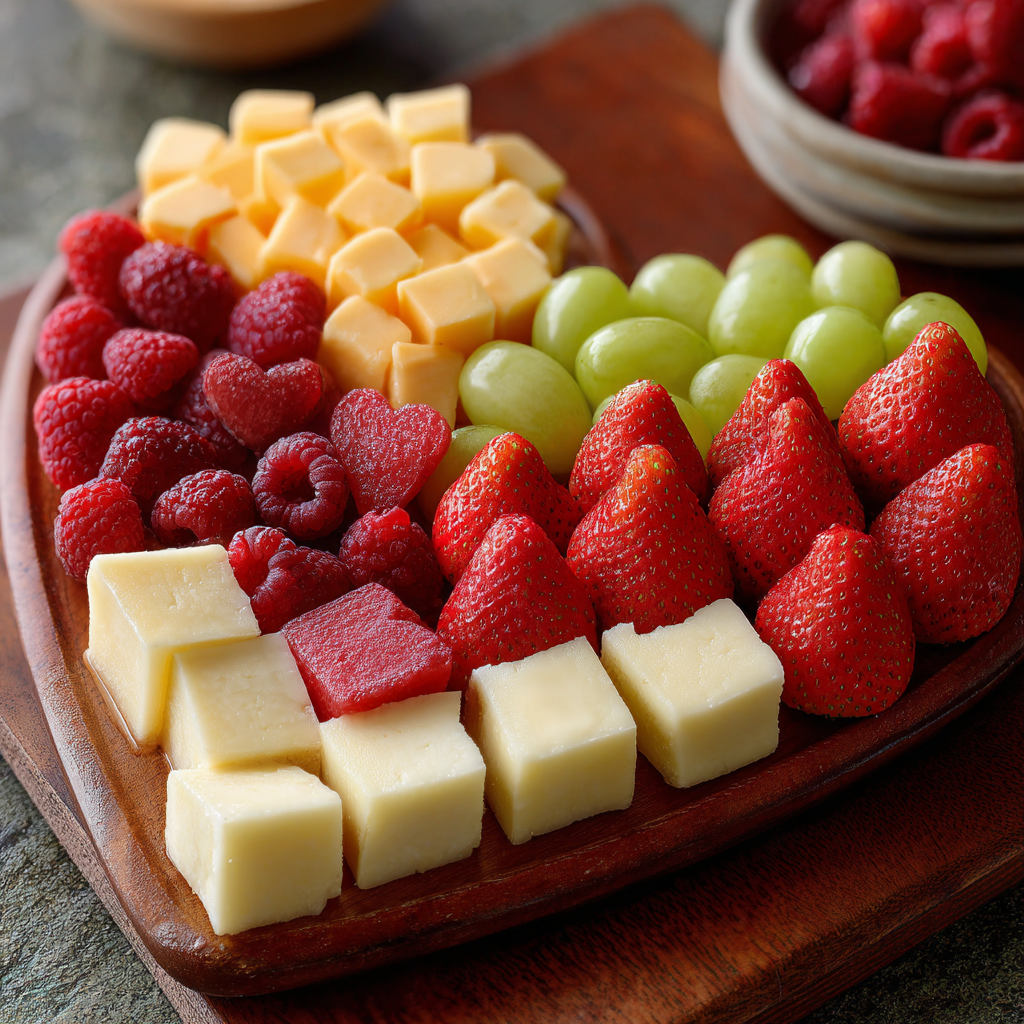
Crafting a Romantic Heart-Shaped Fruit and Cheese Platter
Ingredients
Method
- Select the base for your platter
- Arrange the cheeses first
- Add the fruits around the cheese
- Drizzle honey strategically
- Garnish with mint leaves
- Serve at room temperature
Tried this recipe?
Let us know how it was!Introduction
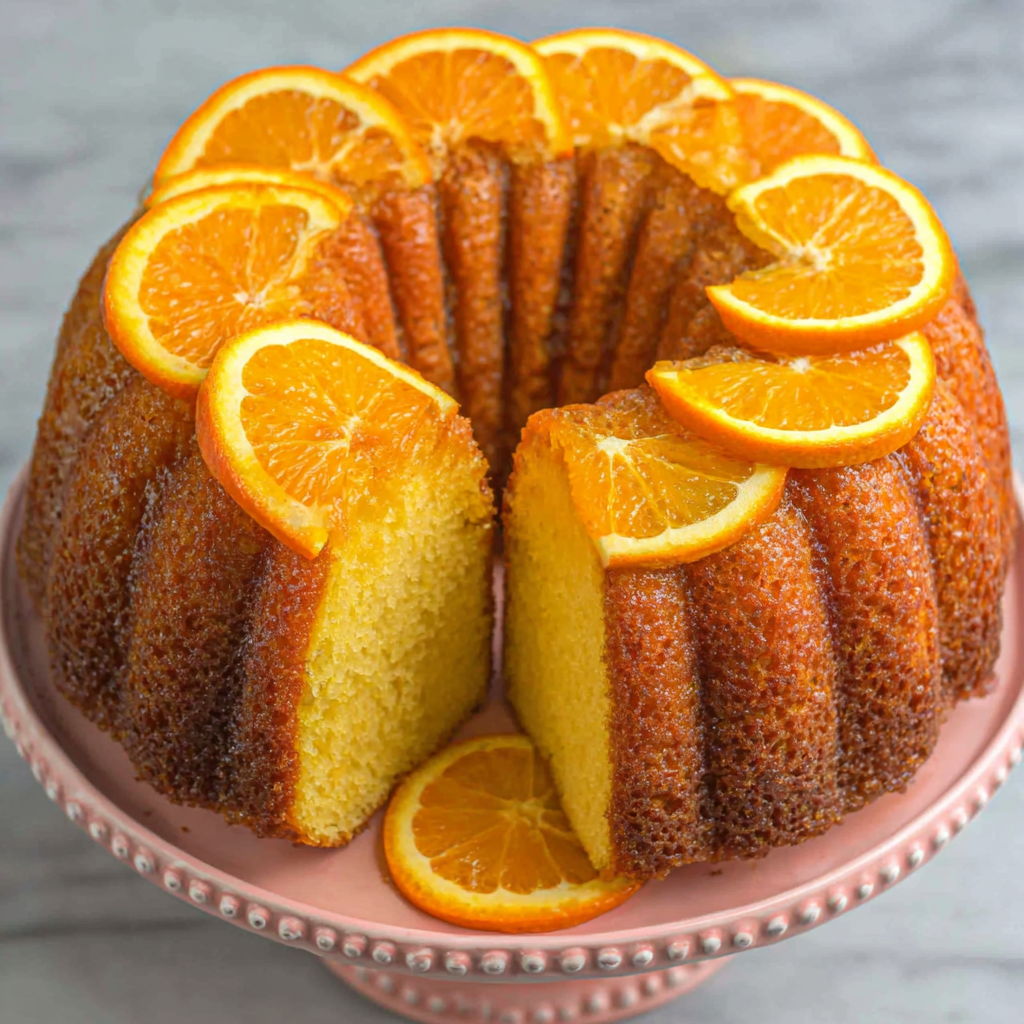
Orange cake is a refreshing treat that brings a burst of citrus flavor to any occasion. Its vibrant color and fragrant aroma make it a favorite among home bakers and dessert enthusiasts alike. This cake is perfect for everything from mundane afternoons to festive gatherings.
The beauty of orange cake lies not only in its taste but also in its simplicity. With just a few key ingredients, you can create a moist, flavorful cake that showcases the bright essence of oranges. Whether enjoyed plain, with a dusting of powdered sugar, or dressed up with a creamy glaze, this cake is sure to impress.
Ingredients
- 2 cups all-purpose flour
Flour provides structure to the cake, allowing it to rise while keeping it light and fluffy. It also helps absorb the liquids, ensuring the cake holds well together. - 1 ½ cups granulated sugar
Sugar sweetens the cake and contributes to its overall texture. In addition to enhancing flavor, it helps with moisture retention, keeping the cake tender. - ¾ cup unsalted butter, softened
Butter adds richness and flavor. It helps create a tender crumb and provides a smooth mouthfeel. When beaten with sugar, it also incorporates air that aids in leavening. - 1 cup fresh orange juice
The star of the recipe, orange juice imparts a vibrant citrus flavor. It also adds moisture to the cake, ensuring it stays luscious and delicious. - Zest of 2 large oranges
Orange zest enhances the cake's flavor profile, contributing fragrant oils that deepen the citrus taste without adding extra liquid. - 3 large eggs
Eggs act as a binding agent, providing stability and richness to the cake. They help with leavening when beaten, which promotes a light texture. - 1 teaspoon baking powder
Baking powder is a leavening agent that allows the cake to rise during baking, giving it a light and airy texture. - ½ teaspoon salt
Salt enhances all the other flavors in the cake, ensuring a well-balanced sweetness and improving the overall taste. - 1 teaspoon vanilla extract
Vanilla brings warmth and depth to the cake's flavor profile, complementing the bright notes of the orange.
Directions & Preparation
Step 1: Preheat your oven to 350°F (175°C) and prepare your cake pans.
Preheating ensures your cake bakes evenly from the start. Grease and flour the pans well, or line them with parchment paper, which helps the cake release easily after baking.
Step 2: In a large mixing bowl, cream together the softened butter and granulated sugar until light and fluffy.
Creaming the butter and sugar introduces air into the mixture, which helps the cake rise. The mixture should become pale and fluffy, which usually takes about 3-5 minutes.
Step 3: Add the eggs, one at a time, mixing well after each addition, followed by the vanilla extract.
Incorporating each egg separately allows for better emulsification, creating a uniform batter. This step is crucial for achieving the desired moist texture.
Step 4: Mix in the orange juice and zest until fully combined.
This step adds both moisture and citrus flavor, elevating the cake's taste. Ensure you mix it slowly to prevent splatters and maintain the cake’s structure.
Step 5: In another bowl, whisk together the flour, baking powder, and salt.
Whisking the dry ingredients together evenly distributes the baking powder and salt, preventing pockets of either in the final batter.
Step 6: Gradually add the dry ingredients to the wet ingredients, mixing until just combined.
Mixing the dry and wet ingredients together ensures even distribution without overworking the batter. Over-mixing can lead to a dense cake, so stop as soon as you no longer see dry flour.
Step 7: Pour the batter into the prepared cake pans and smooth the top.
Dividing the batter evenly between the pans helps with even baking. Smoothing the top allows for a more professional-looking cake once baked.
Step 8: Bake in the preheated oven for 25-30 minutes or until a toothpick comes out clean.
Oven temperatures can vary, so keep an eye on the cakes. A toothpick should come out with a few moist crumbs, but without wet batter, indicating they are done.
Step 9: Allow the cakes to cool in the pans for about 10 minutes before transferring them to a wire rack.
Cooling in the pans lets them set properly before transferring. If left too long, the cakes might stick, so be sure to handle them gently.
Step 10: Once cooled completely, frost with your favorite icing or enjoy plain with a dusting of powdered sugar.
A simple glaze or icing pairs perfectly with the bright orange flavor. Alternatively, a dusting of powdered sugar keeps it light, allowing the citrus to shine through.

Enhancing Citrus Flavor with Infusions
To elevate your orange cake even further, consider infusing the flavors deeper. Using a mixture of orange juice and zest combined with orange liqueur can intensify the citrus profile. You can brush the cakes with an orange syrup after baking to keep them moist while adding an extra layer of flavor.
Pairing Suggestions for Your Orange Cake
To complement the orange cake, consider pairing it with whipped cream or a light citrus glaze. A dollop of cream infused with vanilla adds richness, while a citrus glaze gives a glossy finish that elevates appearance and taste. Serve alongside fresh fruit for an added burst of color and taste.
Creative Variations on the Traditional Recipe
Experimenting with additional spices or flavors can provide a unique twist to the classic orange cake. Adding in a pinch of cardamom or cinnamon can introduce a warm complexity. Try incorporating chopped nuts or dried cranberries for extra texture and flavor, adapting the cake to your personal preferences.
FAQs
What if my cake batter is too thick?
If your batter appears too thick, add a tablespoon of orange juice at a time until you reach a pourable, but thick consistency. Ensure not to over-mix after adding the juice.
Can I substitute the sugar with a natural sweetener?
Yes, you may use honey or maple syrup, but be aware that this might alter the moisture content and baking time. Reduce the liquid ingredients slightly to maintain cake texture.
What should I do if my cake is overcooked?
If your cake comes out dry due to overcooking, try serving it with a citrus syrup or compote. This addition can help restore some moisture and enhance flavor.
Why did my cake not rise properly?
If your cake did not rise, it could be due to expired baking powder or overmixing the batter. Always check the expiration date on leavening agents and mix just enough to combine.
How can I enhance the frosting flavor?
Consider adding orange zest or a splash of citrus extract to your frosting for a more cohesive flavor profile with the cake.
What kind of icing pairs well with orange cake?
A cream cheese frosting is popular, as the tanginess complements the citrus. Alternatively, a simple glaze made with orange juice and powdered sugar works beautifully.
Conclusion
Baking an orange cake is more than just a culinary task; it’s a way to infuse joy into your home with a delightful citrus treat. By choosing fresh ingredients and savoring the process, you create a cake that sparks happiness at any gathering.
Whether you stick to the classic recipe or explore variations, this orange cake will surely become a favorite in your home. Enjoy the process of baking and the delicious results that follow!
Recipe Card
Crafting a Romantic Heart-Shaped Fruit and Cheese Platter
Ingredients
Method
- Select the base for your platter
- Arrange the cheeses first
- Add the fruits around the cheese
- Drizzle honey strategically
- Garnish with mint leaves
- Serve at room temperature
Tried this recipe?
Let us know how it was!Notes
Additional serving suggestions: pair with a crisp salad, garlic bread, or roasted seasonal vegetables for balance.
For make-ahead, prep components separately and assemble just before heating to preserve texture.
Taste and adjust with acid (lemon/vinegar) and salt right at the end to wake up flavors.