
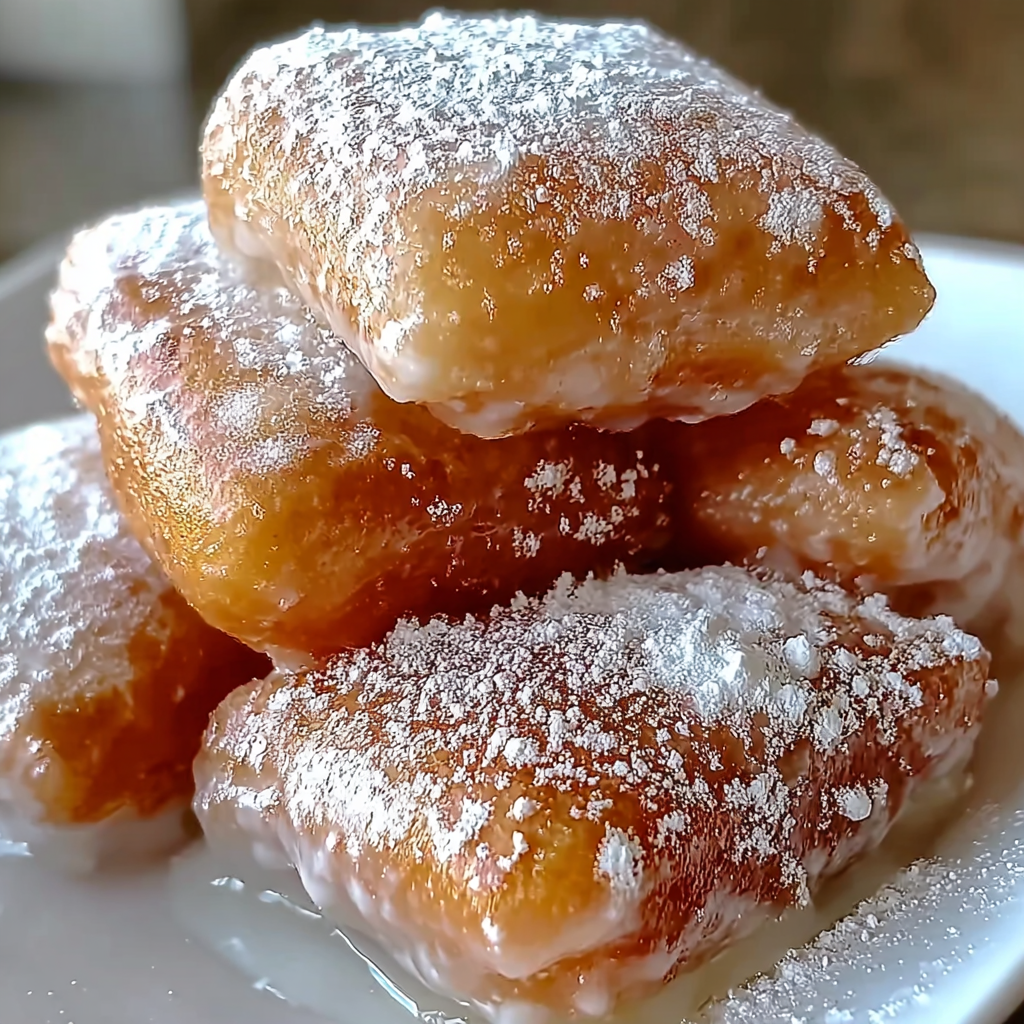
Delight in Heavenly Buttermilk Beignets at Home
Ingredients
Method
- Prepare the dough mix.
- Combine wet ingredients.
- Form the beignet dough.
- Rest the dough.
- Heat the oil.
- Shape and fry the beignets.
- Drain and dust with sugar.
- Serve warm and enjoy!
Tried this recipe?
Let us know how it was!Introduction
Few treats evoke joy like a freshly made beignet, their warm, fluffy interiors and crisp exteriors delivering a heavenly experience. Originating from French cuisine and now a staple of New Orleans fare, beignets are versatile delights perfect for breakfast, dessert, or any moment in between.
The star ingredient that elevates these pastries is buttermilk, which not only adds a pleasant tang but also makes the batter incredibly light and tender. Once you’ve mastered the basics, you can customize your beignets with different flavors or toppings, making each batch a delightful adventure in your kitchen.
Ingredients
- 2 cups all-purpose flour
Flour provides the structure and bulk for the beignets. Using all-purpose flour gives them the right balance of chewiness and tenderness. - 2 teaspoons baking powder
Baking powder is a leavening agent that helps the beignets rise, creating their characteristic fluffy texture. - 1/4 teaspoon baking soda
Baking soda enhances browning and contributes to the airy texture in conjunction with baking powder. - 1/2 teaspoon salt
Salt enhances the overall flavor, balancing the sweetness and enriching the taste of the dough. - 1/4 cup granulated sugar
Sugar adds sweetness to the batter and also contributes to the overall flavor profile of these pastries. - 1/2 teaspoon vanilla extract
Vanilla extract adds a warm, aromatic flavor to the beignets, elevating their taste and complementing the other ingredients. - 1/2 cup buttermilk
Buttermilk introduces moisture while providing a slight tang; its acidity reacts with baking powder, ensuring a light and fluffy texture. - 1 large egg
Eggs contribute to the structure and richness of the beignet dough, helping it to bind together effectively. - Oil for frying
The choice of oil, such as canola or vegetable, should have a high smoke point, allowing for even and controlled frying, resulting in golden brown beignets. - Powdered sugar for dusting
Powdered sugar adds a sweet finish and visual appeal, creating a beautiful contrast against the golden beignets.
Directions & Preparation
Step 1: Prepare the dough mix.
In a large mixing bowl, whisk together the flour, baking powder, baking soda, salt, and granulated sugar until well combined. This step is crucial as it ensures that the leavening agents are evenly distributed in the dough, promoting an even rise during frying. Make sure no lumps remain and that the dry ingredients are thoroughly mixed before adding wet ingredients.
Step 2: Combine wet ingredients.
In a separate bowl, whisk together the buttermilk, egg, and vanilla extract until well blended. This mixture combines both liquid and binding elements, ensuring that the batter has a uniform consistency. The buttermilk's acidity will also react with the baking powder, helping to create that fluffy texture we’re aiming for.
Step 3: Form the beignet dough.
Pour the wet mixture into the dry ingredients, stirring gently until just combined. Be careful not to overmix; the dough should be slightly sticky. Overmixing can develop the gluten in the flour too much, leading to tough beignets rather than tender, fluffy pastries.
Step 4: Rest the dough.
Cover the bowl with plastic wrap and let it rest for about 30 minutes at room temperature. Allowing the dough to rest relaxes the gluten, which contributes to a better texture in the final product. This pause also gives the baking powder and baking soda time to activate, resulting in a lighter dough.
Step 5: Heat the oil.
In a deep skillet or Dutch oven, pour in about two inches of oil and heat to 350°F (175°C). An accurate temperature is vital; too hot and the beignets will burn, too cool and they will absorb too much oil, resulting in greasy pastries. Using a thermometer can help you achieve the perfect frying temperature.
Step 6: Shape and fry the beignets.
Scoop out small portions of dough using a spoon, about 1-2 tablespoons for each beignet, and carefully drop them into the hot oil. Fry in small batches to avoid crowding the pan, which can lower the oil temperature. Turn the beignets occasionally with a slotted spoon until they are golden brown, approximately 2-4 minutes on each side.
Step 7: Drain and dust with sugar.
Once golden, use a slotted spoon to transfer the beignets to a paper towel-lined plate to drain excess oil. While they are still warm, generously dust them with powdered sugar. This not only enhances presentation but also ensures that the sweetness of the sugar complements the warm beignets perfectly.
Step 8: Serve warm and enjoy!
Beignets are best served fresh and warm, just after frying. Pair them with coffee or hot chocolate for a truly indulgent experience. Their soft, airy texture and aromatic sweetness should be savored immediately for the best taste.

The Importance of Proper Oil Temperature
Frying beignets at the correct oil temperature is crucial for achieving that perfect golden-brown exterior while maintaining a soft, airy interior. If the oil is too cool, the beignets will absorb oil and become greasy rather than fluffy. Conversely, overheated oil will lead to burnt outsides with raw interiors. A thermometer can be handy for monitoring the oil’s temperature during the frying process.
Variations to Customize Your Beignets
Once you've mastered the classic recipe, consider experimenting with it! Infusing your beignet dough with zest from lemons or oranges can bring a refreshing twist. Alternatively, try adding spices like cinnamon or nutmeg for warmth or chocolate chips for an indulgent treat. Each variation can craft a unique flavor profile while keeping the irresistible nature of a buttermilk beignet.
The Role of Buttermilk in Baking
Buttermilk is a magical ingredient in baking, particularly for beignets. Its acidity not only tenderizes the dough but also encourages a lighter texture by activating the leavening agents. This ingredient can be substituted with yogurt or a homemade version using milk and vinegar if needed, but the distinct flavor of buttermilk truly enhances the final result, making it worth seeking out.
FAQs
What should I do if my beignets are too dense?
If your beignets turn out dense, it may be due to overmixing the dough or not allowing it to rest enough. Just mix until combined and let it relax for at least 30 minutes to achieve a lighter structure.
Can I make a larger batch of beignets for a party?
Absolutely! You can simply double or triple the ingredient quantities to suit the number of guests. Just be mindful of frying in smaller batches to control the oil temperature.
How can I tell if my oil is ready for frying?
To check the oil's readiness, drop a small amount of batter into the oil. If it sizzles and rises to the surface immediately, it’s ready. If it sinks without bubbling, the oil needs to be hotter.
What if my beignet dough is too wet?
If your dough feels overly sticky or wet, you can gently work in small amounts of flour until you reach a manageable consistency, but be careful not to overwork the dough.
Can I add spices for extra flavor?
Yes! Adding spices like cinnamon or nutmeg to your dry ingredients can add a lovely warmth and depth of flavor to your beignets. Just be cautious not to overpower the batter.
How can I ensure my beignets are not oily?
To minimize oiliness, make sure the oil is hot enough before frying. Allow the beignets to drain on paper towels immediately after frying to remove excess oil.
Conclusion
Creating heavenly buttermilk beignets at home is an achievable delight that invites joy at any hour of the day. While they may require some practice, the reward of biting into a warm, doughy treat dusted in powdered sugar is unmatched.
So dust off your frying pan, grab your apron, and experience the bliss of crafting these delectable pastries. With patience and creativity, your kitchen can transform into a delightful haven of deliciousness.
Recipe Card
Delight in Heavenly Buttermilk Beignets at Home
Ingredients
Method
- Prepare the dough mix.
- Combine wet ingredients.
- Form the beignet dough.
- Rest the dough.
- Heat the oil.
- Shape and fry the beignets.
- Drain and dust with sugar.
- Serve warm and enjoy!
Tried this recipe?
Let us know how it was!Notes
Additional serving suggestions: pair with a crisp salad, garlic bread, or roasted seasonal vegetables for balance.
For make-ahead, prep components separately and assemble just before heating to preserve texture.
Taste and adjust with acid (lemon/vinegar) and salt right at the end to wake up flavors.