Chicken and Dumplings
Ingredients
Method
- Sear the chicken:
- Make the Soup
- Make the Dumplings
Nutrition
Notes
- To ensure juicy chicken, cook it until it reaches an internal temperature of 165°F, and let it rest for a few minutes before shredding to keep it moist.
- For perfectly fluffy dumplings, avoid overmixing the dough; stir just until combined to keep them light and tender.
- If you’re short on time, feel free to swap in a store-bought rotisserie chicken for a quick and easy option—just shred and add it to the simmering broth.
- When storing leftovers, keep them in an airtight container in the fridge for up to 3 days; reheat gently on the stove over low heat to prevent the dumplings from becoming gummy.
- For a creamier consistency, consider using full-fat Greek yogurt instead of sour cream for an added tang and richness in the soup.
Tried this recipe?
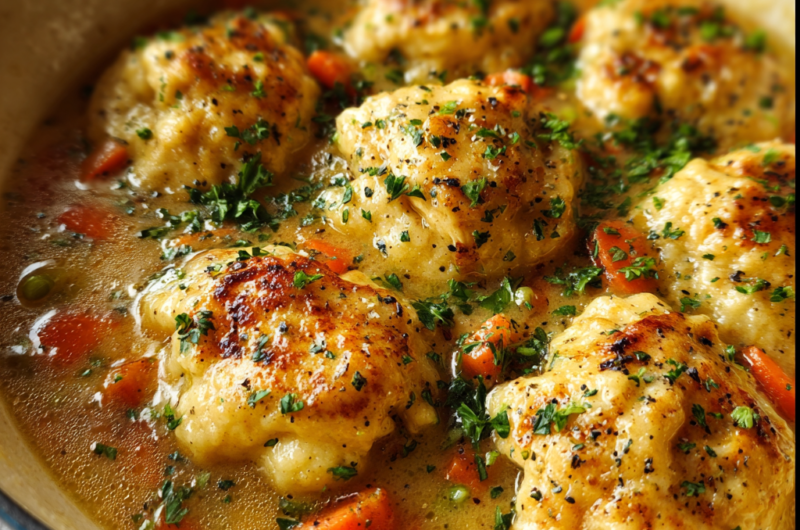
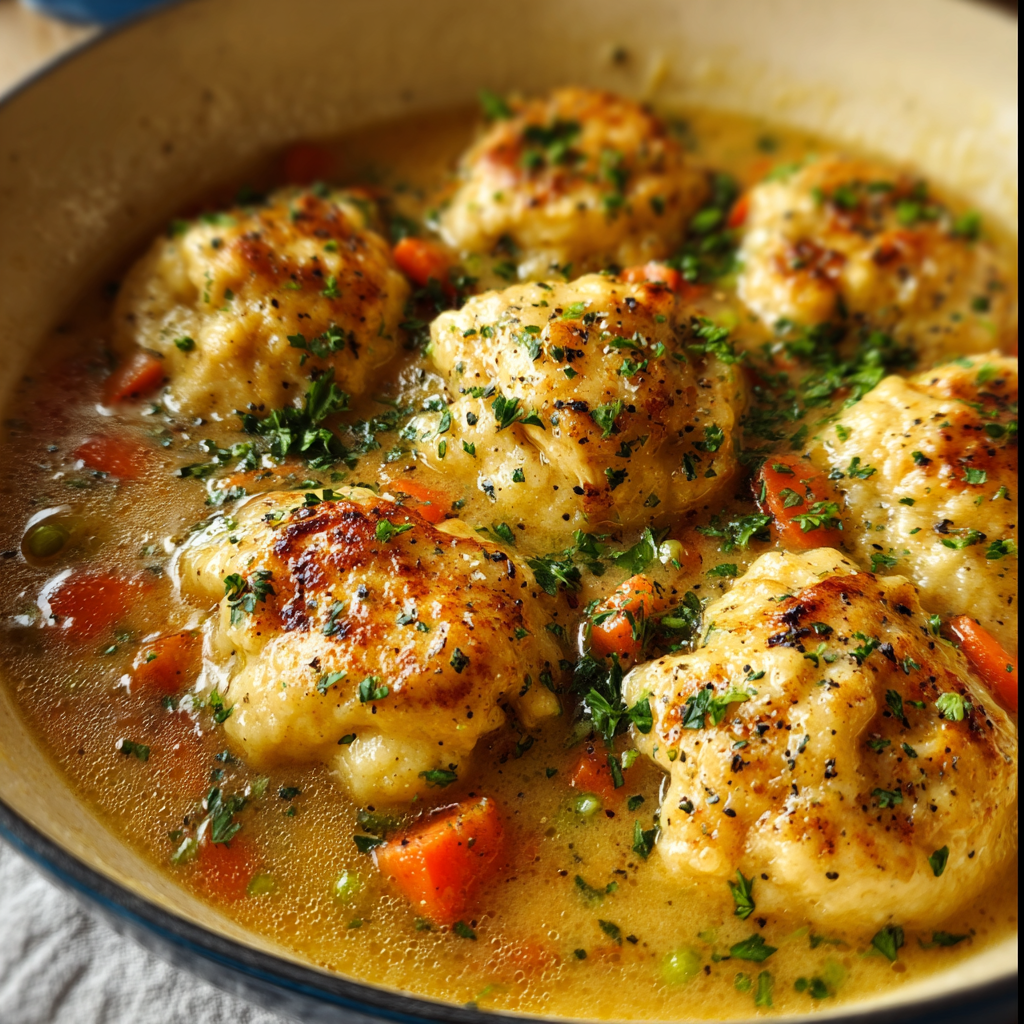
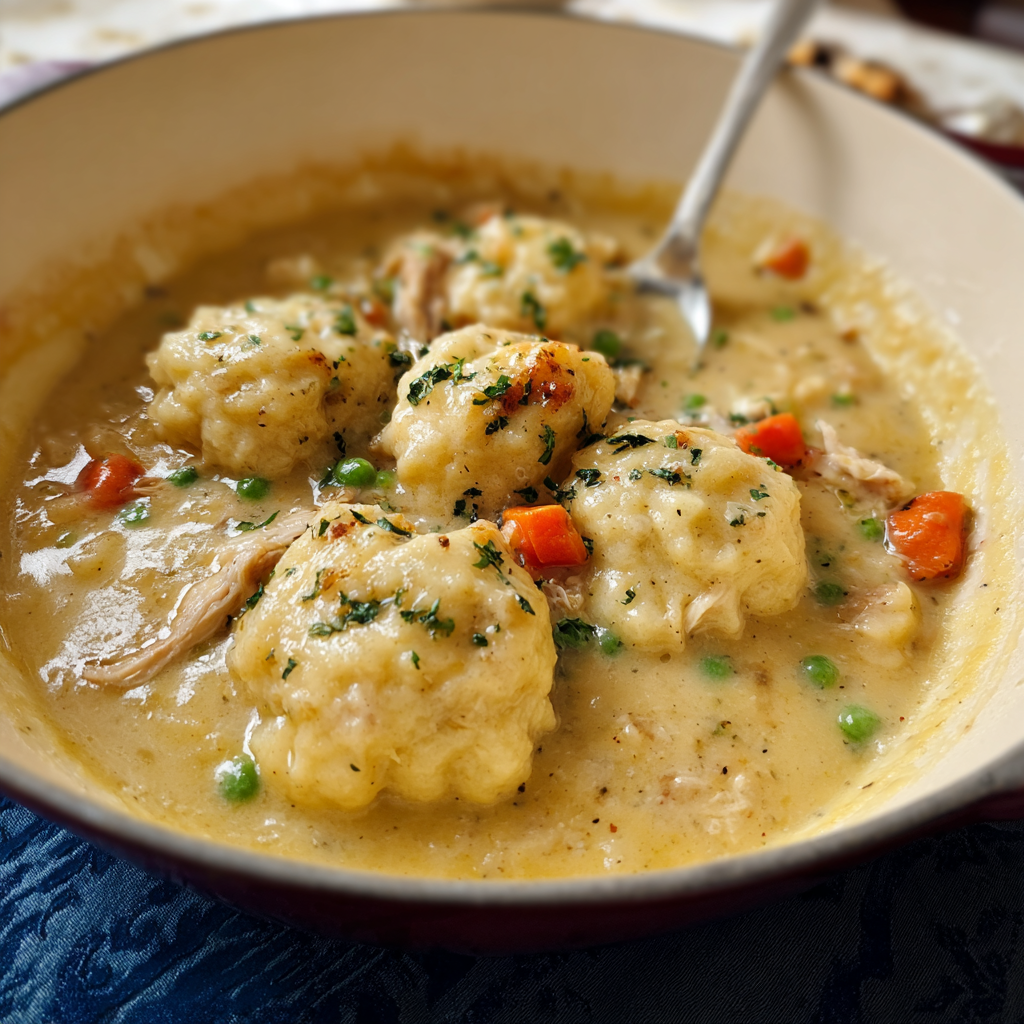
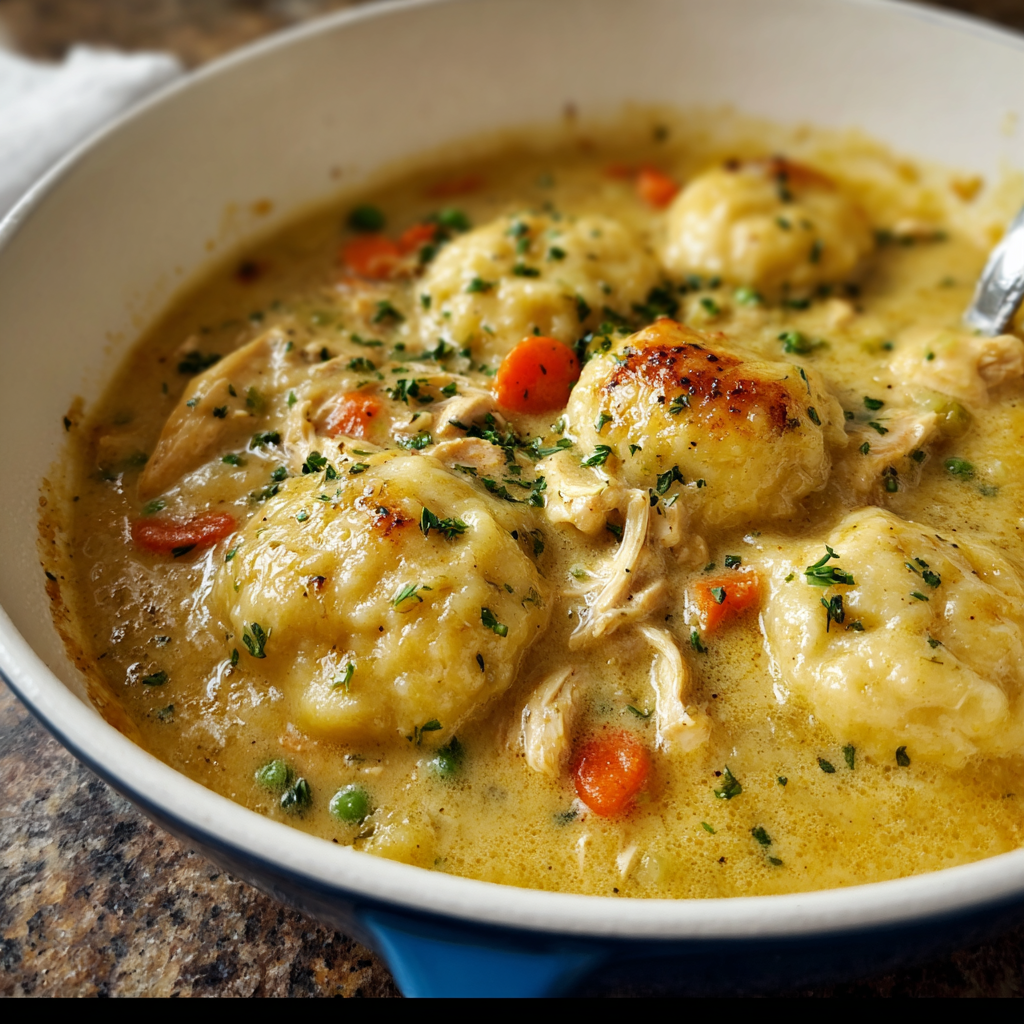
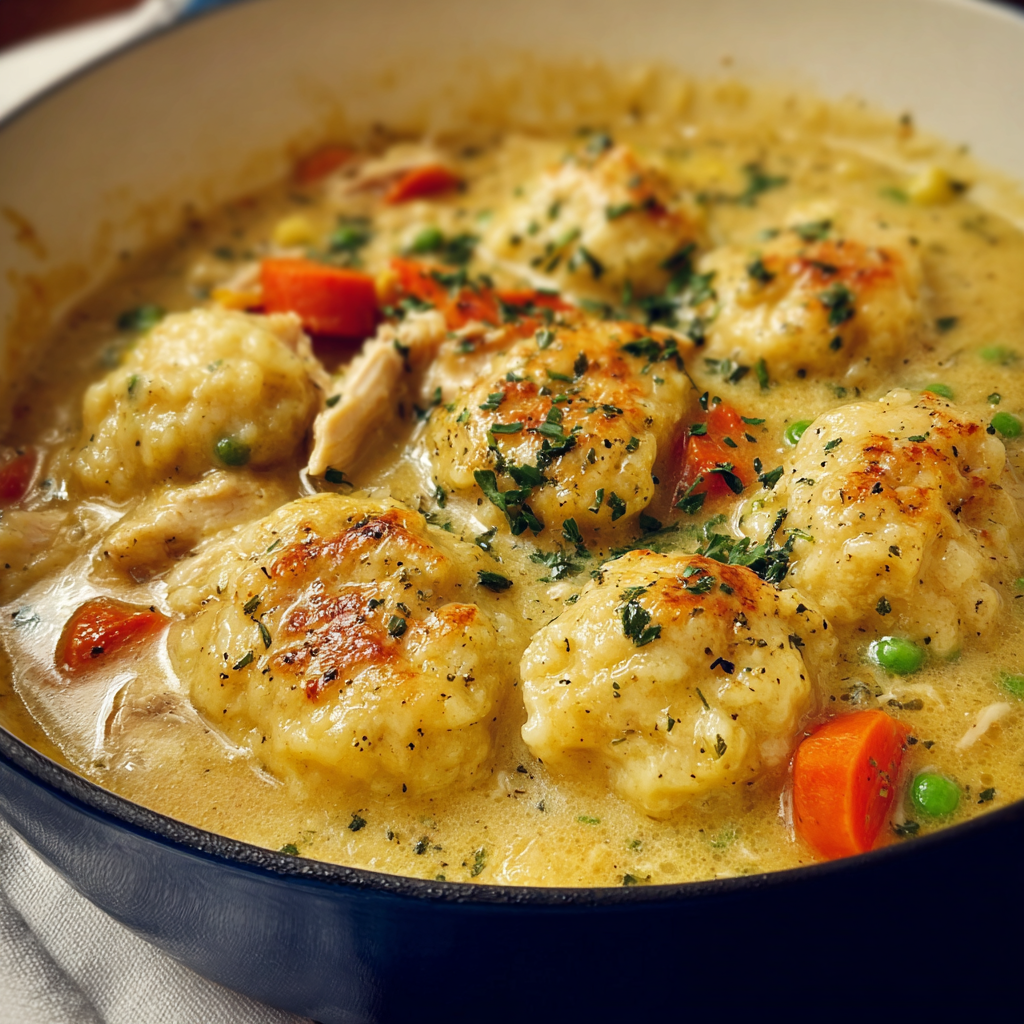
Let us know how it was!A bowl of tender chicken and fluffy dumplings in a velvety, herb-flecked broth — the kind of meal that makes you go back for seconds.
📋 In This Article
- Introduction
- Why This Recipe Works
- Ingredients You’ll Need
- Step-by-Step Instructions: The Soup Base
- Step-by-Step Instructions: Perfect Fluffy Dumplings
- Common Mistakes to Avoid
- Variations and Customizations
- Storage and Reheating Tips
- Pro Tips for Next-Level Flavor
- Frequently Asked Questions (FAQ)
- Conclusion
Introduction
Chicken and Dumplings sits somewhere between a soup and a stew, and that’s exactly what makes it brilliant. You get the comfort of a rich, creamy broth loaded with tender chicken and vegetables, plus the satisfaction of soft, pillowy dumplings that soak up all that flavor as they steam. The dish has deep roots in Southern cooking, where resourceful cooks stretched a single bird into a meal that could feed a family.
Here’s what separates a mediocre version from a memorable one: technique. Searing the chicken first builds a foundation of flavor that you simply cannot get from dumping raw meat into broth. And those dumplings? They need gentle steam, not a rolling boil, or they turn into dense little hockey pucks. I’ve made every mistake in the book with this dish — gummy dumplings, bland broth, dry chicken — so you don’t have to. Delicious Crispy Dumplings with Garlic Sauce.
Why This Recipe Works
Most chicken and dumplings recipes skip the searing step. Big mistake. When you brown the chicken in a hot pot, the Maillard reaction creates hundreds of new flavor compounds on the surface of the meat. Those browned bits stuck to the bottom of the pot? That’s the fond, and it’s pure concentrated flavor. Deglaze that with broth, and you’ve got a base that tastes like it simmered all day.
The dumpling method matters just as much. Drop dumplings rely on baking powder for lift, and that leavening needs two things to work properly: heat and undisturbed steam. Boil the liquid aggressively, and the dumplings break apart before they set. Lift the lid to peek, and you release the steam they need to rise. This recipe builds in those guardrails so you get fluffy, tender dumplings every single time.
Ingredients You’ll Need
For the Soup Base:
- 2 lbs. bone-in, skinless chicken (breasts or thighs — bone-in gives you better flavor)
- 4 ½ cups chicken broth (homemade if you have it, otherwise a quality store brand)
- 1 tablespoon olive oil (for the initial sear)
- 5 tablespoons butter (divided — some for sautéing, some for richness)
- 1 small yellow onion (diced small so it melts into the broth)
- 2 stalks celery (diced — adds aromatic sweetness)
- 1 cup carrots (diced — for color and natural sweetness)
- 3 cloves garlic (minced — don’t skimp here)
- Salt and pepper (season throughout, not just at the end)
- ¼ cup all-purpose flour (for thickening the broth)
For the Dumplings:
- 2 cups all-purpose flour (provides structure)
- 1 tablespoon baking powder (this is the leavening agent — make sure it’s fresh)
- ½ teaspoon salt (don’t skip — bland dough ruins good dumplings)
- ¾ cup milk or half-and-half (half-and-half makes them richer)
- 4 tablespoons cold butter (cut into pieces — cold butter creates flaky pockets)
Optional Add-ins:
- ¾ cup frozen peas (stir them in at the end for color)
- Fresh parsley (chopped, for finishing)
Step-by-Step Instructions: The Soup Base
Start with a large Dutch oven or heavy-bottomed pot over medium-high heat. Add the olive oil and let it shimmer. Season your chicken generously with salt and pepper on both sides — this is your only chance to season the meat directly.
Lay the chicken in the pot skin-side down (even though you’re using skinless, the presentation side goes down first). Sear for 3-4 minutes per side until you see a deep golden-brown color. That browning is the Maillard reaction in action, creating new flavor compounds that raw chicken simply doesn’t have. Transfer the chicken to a plate and resist the urge to scrape the pot — those browned bits are liquid gold.
In the same pot with all that rendered fat and fond, add 4 tablespoons of butter and let it melt. Toss in your diced onion, celery, and carrots with a pinch of salt. The salt helps draw moisture out of the vegetables so they soften rather than brown. Sauté for about 5 minutes until the onions turn translucent and the vegetables smell fragrant.
Add the garlic and stir for just 30 seconds — garlic burns fast and turns bitter, so keep it moving. Sprinkle the flour over the vegetables and stir constantly for about 2 minutes. You’re making a roux here, cooking out that raw flour taste. The mixture should look pasty and smell slightly nutty.
Pour in the chicken broth slowly while whisking. This is critical: add it gradually and whisk aggressively to prevent lumps. The liquid will bubble and thicken quickly as it hits the roux. Once all the broth is incorporated, bring it to a gentle simmer.
Return the seared chicken to the pot along with any juices that accumulated on the plate. Those juices are pure concentrated chicken flavor — don’t leave them behind. Reduce the heat to medium-low, cover, and simmer for 15-20 minutes until the chicken reaches an internal temperature of 165°F. At that temperature, harmful bacteria are eliminated, and the proteins have fully denatured, meaning the meat is safe and cooked through.
Remove the chicken and let it rest for 5 minutes. When meat cooks, the muscle fibers contract and push juices toward the center. Resting allows those fibers to relax and reabsorb the juices. Shred the meat with two forks and return it to the pot. Keep the broth at a gentle simmer while you make the dumplings.
Step-by-Step Instructions: Perfect Fluffy Dumplings
Here’s where things can go wrong fast. Dumpling dough is temperamental — overwork it, and you activate the gluten, turning them tough and chewy. Undercook them, and you get raw dough centers.
In a medium bowl, whisk together the flour, baking powder, and salt. Make sure the baking powder is evenly distributed, or you’ll get uneven lift. Add the cold butter pieces and use your fingers or a pastry cutter to work them into the flour until the mixture looks like coarse crumbs with some pea-sized butter pieces remaining. Those butter pieces create steam pockets during cooking, which is what makes dumplings fluffy rather than dense.
Pour in the milk or half-and-half and stir with a wooden spoon just until the dry ingredients are moistened. The dough should look shaggy and slightly wet. Stop stirring the second everything comes together. I used to overwork this dough thinking I was “making sure it was mixed” — the result was dumplings that could double as doorstops.
Using two spoons, drop golf ball-sized portions of dough directly onto the simmering broth. Space them about an inch apart because they’ll expand. You should get 8-10 dumplings from this batch.
Cover the pot with a tight-fitting lid and reduce the heat to low. The liquid should barely bubble — a vigorous boil will break the dumplings apart before they set. Set a timer for 15 minutes and do not lift the lid. Every time you peek, you release the steam that the dumplings need to cook through. At around the 8-minute mark, you’ll notice the dumplings puffing up and the broth thickening below.
After 15 minutes, remove the lid and test one dumpling by inserting a toothpick into the center. It should come out clean or with just a few moist crumbs, not wet batter. If they need more time, cover and cook in 2-minute increments.
Stir in the frozen peas if using — they’ll heat through in about a minute from the residual heat. Taste the broth and adjust the seasoning. It should taste slightly over-salted on its own because the dumplings will absorb some of that salt. Ladle into bowls and finish with fresh parsley.
⚠️ Common Mistakes to Avoid
Boiling instead of simmering. When dumplings hit boiling liquid, the outside sets before the inside cooks, and the violent motion tears them apart. A gentle simmer cooks them evenly and keeps them intact. Indulge in Creamy Spinach and Mushroom Gnocchi.
Lifting the lid during cooking. Dumplings need trapped steam to rise and cook through. Every time you peek, you lose about 15 degrees of heat and release the moisture they need. Trust the timer.
Overmixing the dough. Stir just until the flour disappears. Every extra stroke develops gluten, which makes dumplings chewy and tough instead of tender and fluffy.
Under-seasoning the broth. Remember that the dumplings are essentially plain bread — they’ll absorb salt from the broth as they cook. Season the broth until it tastes slightly too salty on its own.
Using old baking powder. Leavening loses potency over time. If your baking powder has been open for more than 6 months, test it: a teaspoon in hot water should bubble vigorously. No bubbles means no lift.
Variations and Customizations
The beauty of chicken and dumplings is its flexibility. For a weeknight shortcut, skip the searing step and use rotisserie chicken. Shred the meat and add it during the last 10 minutes of simmering the broth. You’ll sacrifice some depth, but the convenience is worth it on busy nights.
For rolled dumplings — the thicker, noodle-like style — roll the dough out on a floured surface to ¼-inch thickness and cut into strips. These cook a bit longer (about 20 minutes) and have a chewier texture that some people prefer.
If you want more vegetables, diced potatoes work beautifully. Add them with the carrots and celery, and they’ll contribute starch that naturally thickens the broth. Corn is another classic addition that brings sweetness and texture.
For a richer broth, stir in ½ cup of heavy cream or half-and-half after the dumplings finish cooking. The fat in the dairy carries flavor and creates a velvety mouthfeel that broth alone can’t achieve.
Storage and Reheating Tips
Chicken and dumplings keeps well, but the texture changes over time. The dumplings continue absorbing broth as they sit, so leftovers will have a thicker, more stew-like consistency. Store in an airtight container in the refrigerator for up to 3 days.
For longer storage, freeze the soup base and dumplings separately. Dumplings don’t freeze well in liquid — they become gummy and fall apart when reheated. Freeze the broth and chicken in one container, and make fresh dumplings when you’re ready to serve.
To reheat, warm gently in a pot over medium-low heat. Add a splash of broth or water if it’s thickened too much. Avoid the microwave if possible — it heats unevenly and can make the dumplings rubbery.
💡 Pro Tips for Next-Level Flavor
Use homemade broth if you can. Store-bought broth works in a pinch, but homemade has more collagen and natural gelatin, which gives the finished dish body and richness. If using store-bought, enhance it with a splash of Worcestershire sauce (adds umami depth) and a dash of hot sauce (brightens without adding noticeable heat).
Don’t skip the fond. When you sear the chicken, those browned bits are packed with concentrated flavor. After removing the chicken, add a splash of broth to the hot pot and scrape up every bit with a wooden spoon. That’s free flavor you’d otherwise wash down the drain.
Season in layers. Salt the chicken before searing. Salt the vegetables while sautéing. Taste and adjust the broth before adding dumplings. Building seasoning at each step creates depth that you can’t achieve by salting only at the end.
Let the chicken rest before shredding. Five minutes of resting means the juices redistribute through the meat instead of pooling on your cutting board. The chicken stays moist rather than drying out. Creamy Crack Chicken Gnocchi: A Comfort Food Masterpiece.
Frequently Asked Questions (FAQ)
+Why are my dumplings gummy and dense?
Gummy dumplings usually come from one of two mistakes: overmixing the dough or boiling the liquid too hard. Mix just until the flour disappears, and keep the liquid at a gentle simmer, not a rolling boil. Cold butter in the dough also helps create steam pockets for fluffiness.
+Can I use rotisserie chicken instead of raw?
Absolutely. Shred about 3 cups of rotisserie chicken and add it during the last 10 minutes of simmering. You’ll lose the flavor from searing, so compensate by sautéing the vegetables a bit longer and using a high-quality broth.
+How do I know when dumplings are fully cooked?
Insert a toothpick into the center of a dumpling — it should come out clean or with just a few moist crumbs, not wet batter. The dumplings should also feel set, not jiggly, and have puffed up noticeably from their original size.
+Can I make this recipe ahead of time?
You can make the soup base up to 2 days ahead and refrigerate it. Make the dumplings fresh when you’re ready to serve — they’re best straight from the pot. Reheated dumplings lose some of their fluffy texture.
+What’s the difference between drop and rolled dumplings?
Drop dumplings are spooned directly into simmering liquid and cook up fluffy and biscuit-like. Rolled dumplings are rolled flat and cut into strips before cooking — they’re chewier and more like thick noodles. Both are traditional, but drop dumplings are faster and more forgiving.
+Why did my dumplings dissolve in the broth?
Your liquid was probably boiling too vigorously. High heat breaks apart the dumpling structure before it sets. Reduce the heat to a bare simmer, and make sure your baking powder is fresh — weak leavening means the dumplings don’t rise and set properly.
Conclusion
Great chicken and dumplings comes down to a few key moments: browning the chicken to build that foundational flavor, keeping the simmer gentle so the dumplings survive intact, and resisting the urge to peek while they steam. The result is a bowl of tender chicken and fluffy dumplings swimming in a velvety, herb-flecked broth that tastes like it came from a much more complicated recipe.
This is the kind of dish that improves with practice. Your first batch might not be perfect — mine certainly wasn’t. But once you internalize the technique, you’ll make it on autopilot, tweaking and adjusting until it tastes exactly the way you like it. That’s the mark of a true comfort food: it becomes yours.
Chicken and Dumplings
Ingredients
Method
- Sear the chicken:
- Make the Soup
- Make the Dumplings
Nutrition
Notes
- To ensure juicy chicken, cook it until it reaches an internal temperature of 165°F, and let it rest for a few minutes before shredding to keep it moist.
- For perfectly fluffy dumplings, avoid overmixing the dough; stir just until combined to keep them light and tender.
- If you’re short on time, feel free to swap in a store-bought rotisserie chicken for a quick and easy option—just shred and add it to the simmering broth.
- When storing leftovers, keep them in an airtight container in the fridge for up to 3 days; reheat gently on the stove over low heat to prevent the dumplings from becoming gummy.
- For a creamier consistency, consider using full-fat Greek yogurt instead of sour cream for an added tang and richness in the soup.