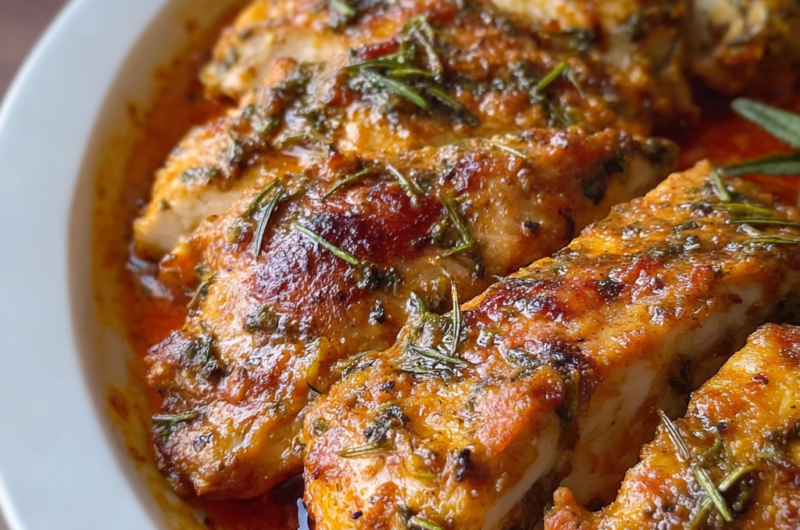
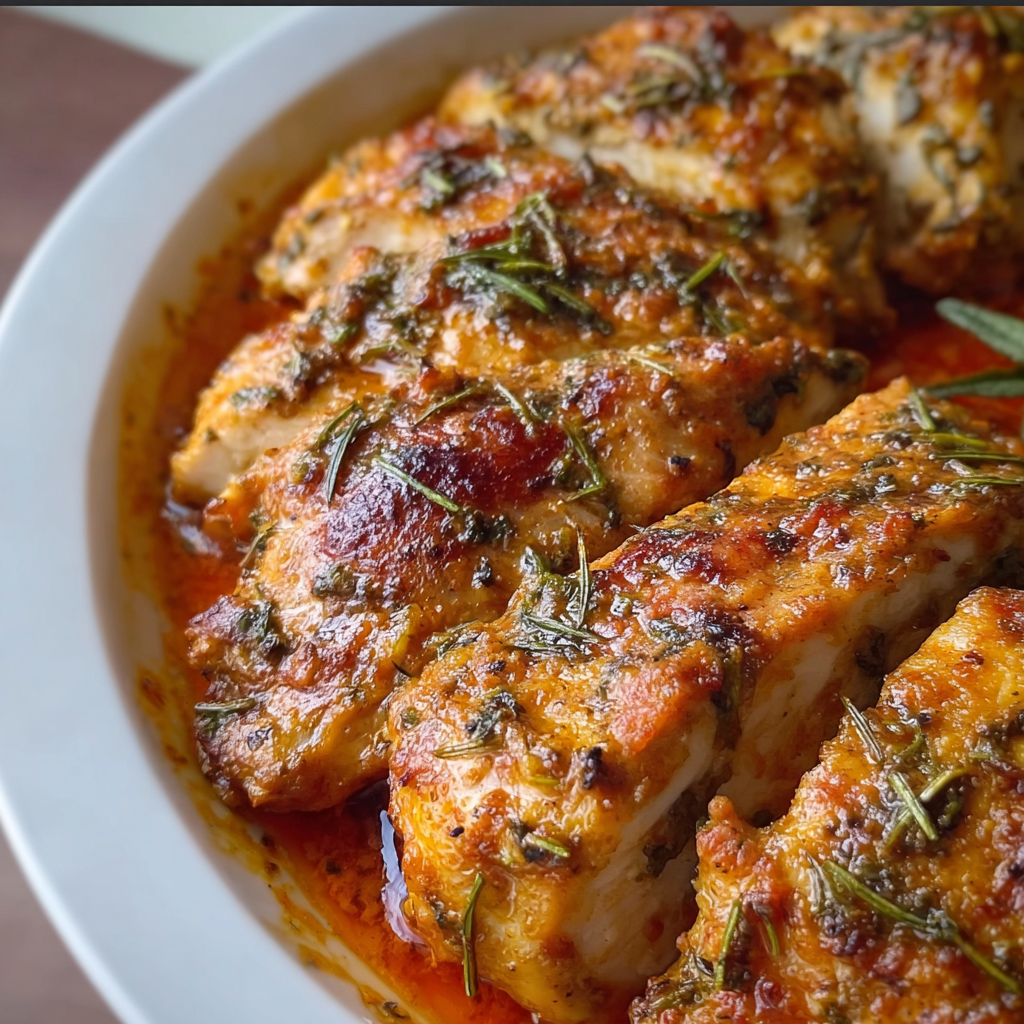
Chicken Changezi
Ingredients
Method
- Place the chicken pieces in a mixing bowl and add all of the marinade ingredients up to and including the garlic, ginger and chilli paste. Rub the marinade right into the flesh and set aside to marinate for 20 minutes or just go straight to cooking.
- Heat the oil or ghee in a large frying pan that has a lid over a medium-high heat. When visibly hot, add the chicken and fry for about 4 minutes and then turn the pieces to brown the other side.
- Reduce the heat to low and cover the pan and cook for a further 10 minutes or until the chicken is about 80% cooked through. Transfer to a bowl and pour all the juices from the pan over the chicken. Set aside.
- Now let’s make the curry! Heat the oil or ghee in a large frying pan over a medium-high heat. When visibly hot, stir in the chopped onions and ½ teaspoon salt and fry, stirring regularly for about 8 minutes or until they are golden brown in colour.
- Add the garlic, ginger and chilli paste and fry for a further minute. Stir in the ground spices and then pour in about 70ml (1/4 cup) water or stock so that the spices don’t burn and bring to a simmer.
- Now add the passata and bring to a simmer. Cover the pan and continue simmering over a medium heat for about 20 minutes. Your changezi gravy is ready and you could just stir in the yoghurt and cream and add the chicken and salt to taste at this point and enjoy. If you want to make it street food style, however, you have a few more steps.
- In another large frying pan, heat 70ml mustard oil over a medium-high heat. When visibly hot, add the prepared gravy one ladle at a time and let it all come to a simmer. Stir in the yoghurt one tablespoon at a time and then stir in the cream.
- Sprinkle in the garam masala and kasoori methi (dried fenugreek leaves) and season with salt to taste. Stir in the cooked chicken and bring the sauce to a bubbling simmer to heat the chicken through, ensuring the chicken is nicely coated with the sauce and then add all or some garnishes of your choice.
Nutrition
Notes
- To ensure perfectly cooked chicken, aim for an internal temperature of 165°F (74°C) and look for juices that run clear; this will help you avoid dryness.
- When making the gravy, keep an eye on the onions while frying; they should be golden brown but not burnt, as burnt onions can impart a bitter taste to your curry.
- If you prefer a creamier texture, add a little more cream or yogurt to the sauce at the end, but do so gradually to prevent it from curdling.
- This dish can be stored in the fridge for up to 3 days; reheat gently on the stovetop to preserve the sauce's smooth consistency.
- If you're short on time, marinating the chicken for just 30 minutes can still impart great flavor, but for the best results, allow it to sit overnight.
Tried this recipe?
Let us know how it was!A rich, creamy Mughlai curry with deep, layered flavors — tender chicken in a spiced tomato-yogurt sauce finished with ghee and cream.
📋 In This Article
Introduction
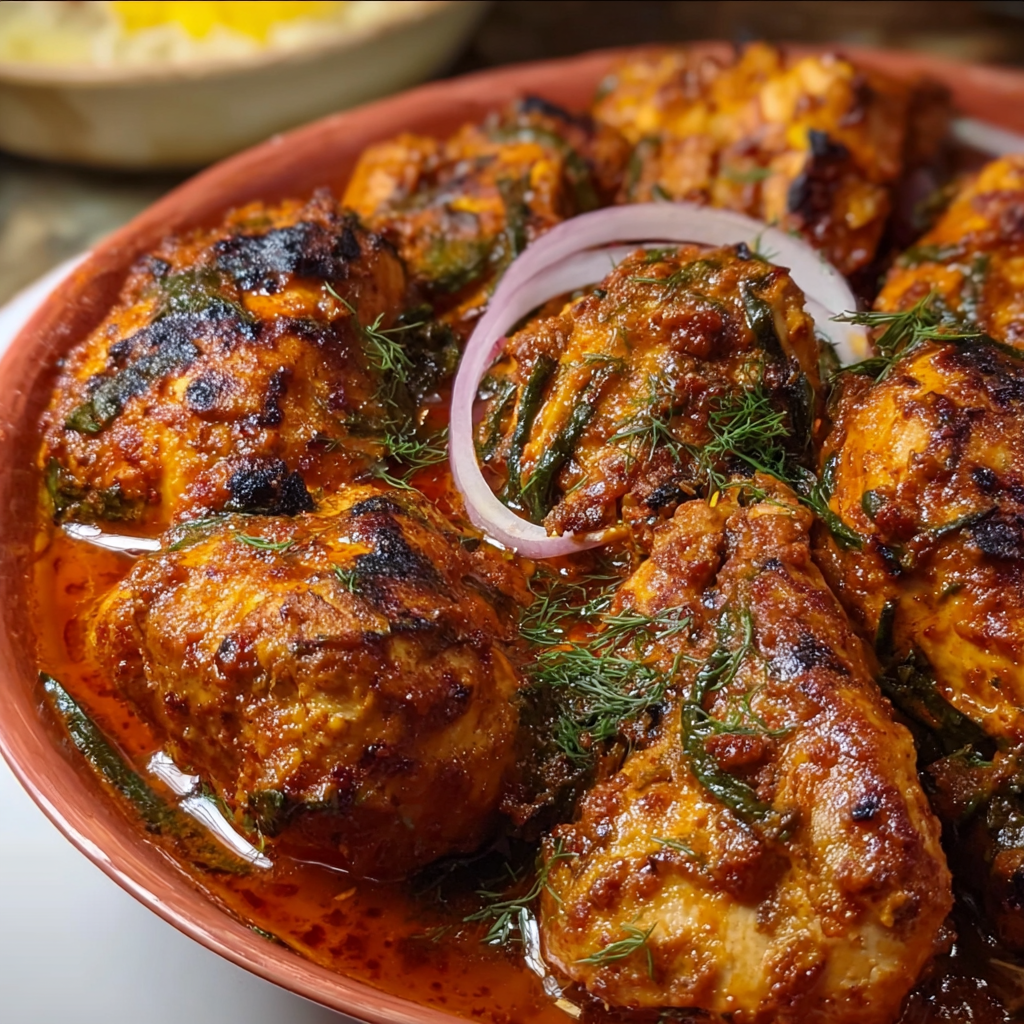
Chicken Changezi isn’t just another curry on the menu — it’s a direct link to Delhi’s Mughlai heritage. Named after the Mongol conqueror Genghis Khan (Changez Khan), this dish has traveled through centuries of kitchens, evolving from royal courts to the bustling lanes of Old Delhi. The result? A curry that’s simultaneously luxurious and deeply comforting.
What makes this recipe different from your standard butter chicken or tikka masala is the technique. This isn’t a one-pot situation. The chicken gets marinated in a spice paste, then fried in ghee until the surface caramelizes. That browning triggers the Maillard reaction, creating hundreds of new flavor compounds that simply don’t exist if you skip this step. The sauce is built separately — onions cooked until they’re sweet and golden, tomatoes reduced until they lose their raw edge, spices bloomed at exactly the right moment. Then everything comes together in a final simmer that marries the flavors.
I’ve tested this recipe more times than I care to admit. The first few attempts were… educational. One version had curdled yogurt (heat too high). Another was bland (undercooked onions). The breakthrough came when I stopped rushing the onion stage and let them properly caramelize. Game changer. That patience is what separates restaurant-quality Changezi from a midweek dinner.
Why This Recipe Works
Most Chicken Changezi recipes skip the “why” and jump straight to the “how.” Here’s the science behind the steps:
The two-stage cooking method isn’t just tradition — it’s chemistry. Marinating chicken in an acidic medium (lemon juice) with salt and enzymes from ginger-garlic paste partially breaks down muscle proteins. This gives you chicken that stays juicy even after high-heat frying. The subsequent frying does two things: it creates a flavored fat base (the ghee picks up spices from the marinade) and it develops deep, savory notes through surface browning.
Blooming spices in hot fat releases fat-soluble aromatic compounds that water alone can’t extract. That’s why whole spices and pastes go into the pan before any liquid — you’re building a foundation that carries through the entire dish.
Tempering dairy matters more than most home cooks realize. Yogurt and cream will curdle if shocked into a boiling liquid. Adding them at lower temperatures and stirring constantly keeps the proteins stable, giving you that velvety, silky texture this curry is known for.
The balance here is deliberate: Kashmiri chili powder provides color and mild warmth without searing heat, while the yogurt-cream combination creates richness without heaviness. The finishing touch of kasoori methi (dried fenugreek leaves) adds a savory, slightly bitter note that cuts through the richness.
Ingredients You’ll Need
For the Chicken Marinade:
- 1 kg (2 lbs.) chicken: Cut into medium pieces, preferably on the bone — the collagen and marrow add body to the final sauce that boneless meat simply can’t provide.
- ½ – 1 tsp salt: Start conservative; you can adjust later.
- Juice of 1 lemon: The acid starts tenderizing immediately.
- 1 ½ tbsp Kashmiri chili powder: For that signature deep red hue and gentle warmth.
- 2 tsp ground cumin: Earthy, warm base notes.
- 2 tsp ground coriander: Adds a subtle citrus undertone.
- 3 tbsp garlic, ginger, and chili paste: The aromatic trinity — make it fresh if you can.
- 3 tbsp rapeseed (canola) oil or ghee: Fat carries flavor into the meat fibers.
For the Curry:
- 2 tbsp rapeseed (canola) oil or ghee: For sautéing; ghee gives more authentic flavor.
- 3 medium-sized red onions: Finely chopped — they need to melt into the sauce.
- ½ tsp salt: Draws moisture from the onions.
- 4 tbsp garlic, ginger, and chili paste: Double the marinade amount; this is the backbone of the gravy.
- ½ tsp ground turmeric: For color and subtle earthiness.
- 1 tbsp Kashmiri chili powder: Builds on the marinade’s color.
- 1 tsp chaat masala or black salt (optional): Adds tangy complexity.
- 1 tbsp ground cumin: Reinforces the warm spice base.
- 1 tbsp ground coriander: Balances the cumin intensity.
- 70ml (¼ cup) water or stock: To deglaze and adjust consistency.
- 600ml (2 ½ cups) passata: Tomato puree gives a smooth, consistent base.
- 70ml (¼ cup) mustard oil (optional): For a punchy, traditional finish common in street-style preparations.
- 4 tbsp plain natural yogurt: Whisked smooth; adds tang and tenderizes further.
- 4 tbsp single cream: The final enrichment for that restaurant-style finish.
- Salt to taste: Adjust at the end.
- 1 tsp garam masala: Added late to preserve its volatile aromatics.
- 1 tsp kasoori methi (dried fenugreek leaves): Crushed between your palms directly into the pot.
To Garnish (Optional):
- 1 tsp Kashmiri chili powder: A dusting for visual drama.
- 4 green bird’s eye chilies: Sliced lengthwise — for those who want heat.
- 1 lemon, quartered: Served alongside for brightness.
- 3 tbsp coriander (cilantro): Finely chopped for freshness.
- 2.5cm (1 inch) ginger: Peeled and julienned for a clean, sharp bite.
Step-by-Step Instructions
Step 1: Marinate the Chicken
In a large mixing bowl, combine the 1 kg chicken pieces with the lemon juice, salt, Kashmiri chili powder, cumin, coriander, and garlic-ginger-chili paste. Add the 3 tbsp oil or ghee and mix thoroughly, ensuring every piece is coated. Cover and refrigerate for at least 30 minutes, though 2-4 hours yields significantly better flavor penetration. The acid and enzymes work slowly — short marinades give surface flavor, long marinades give depth.
Step 2: Fry the Chicken
Heat a heavy-bottomed pan or Dutch oven over medium-high heat. Add the marinated chicken pieces (reserve any remaining marinade) and fry until golden brown on all sides, approximately 8-10 minutes. Work in batches if needed — overcrowding drops the temperature and you’ll end up steaming the meat instead of searing it. Those browned bits on the chicken surface? That’s the Maillard reaction creating flavor compounds you can’t get any other way. Remove the chicken and set aside.
Step 3: Build the Gravy Base
In the same pan (don’t wash it — that fond is gold), add 2 tbsp oil or ghee over medium heat. Add the finely chopped onions and ½ tsp salt. The salt draws out moisture, helping the onions collapse evenly. Cook, stirring frequently, until the onions turn golden brown — about 10-12 minutes. This isn’t the time to rush. Undercooked onions give a raw, sharp flavor that no amount of spice can hide.
Add the 4 tbsp garlic-ginger-chili paste and cook for 2-3 minutes until the raw smell dissipates. Stir in the turmeric, Kashmiri chili powder, chaat masala (if using), cumin, and coriander. Cook for another 2 minutes, allowing the spices to bloom in the hot fat. You’ll smell the difference — the aromatics become more pronounced, less dusty.
Pour in the 70ml water or stock and scrape up any browned bits from the pan bottom. Add the passata, reduce heat to medium-low, and simmer for 8-10 minutes until the sauce thickens and the oil begins to separate slightly at the edges. This separation (the “masala releasing its oil”) indicates the tomatoes have cooked through properly.
Step 4: Simmer the Chicken
Return the fried chicken to the pan along with any reserved marinade. Pour in a splash of water if the sauce seems too thick. Cover and simmer on low heat for 20 minutes, or until the chicken is cooked through and tender. The collagen in the bones (if using) breaks down into gelatin, giving the sauce natural body. If you’re using boneless chicken, check at 15 minutes — overcooking will dry it out.
Step 5: Finish with Dairy
Reduce heat to low. In a small bowl, whisk the 4 tbsp yogurt with a ladleful of the hot sauce — this tempering prevents curdling. Stir the tempered yogurt into the curry. Repeat with the 4 tbsp cream. Simmer gently for 5 minutes; do not let it boil vigorously. Stir in the garam masala and crushed kasoori methi. Taste and adjust salt.
Optional: The Street-Style Finish
For an authentic Delhi street-food flourish, heat 1 tbsp mustard oil in a small pan until it smokes slightly. Pour this smoking oil over the finished curry and cover immediately — the sizzle infuses the dish with a distinctive, pungent aroma that’s unmistakably Old Delhi.
Step 6: Garnish and Serve
Transfer to a serving dish. Garnish with cilantro, julienned ginger, and green chilies if desired. Serve hot with naan, roomali roti, or basmati rice.
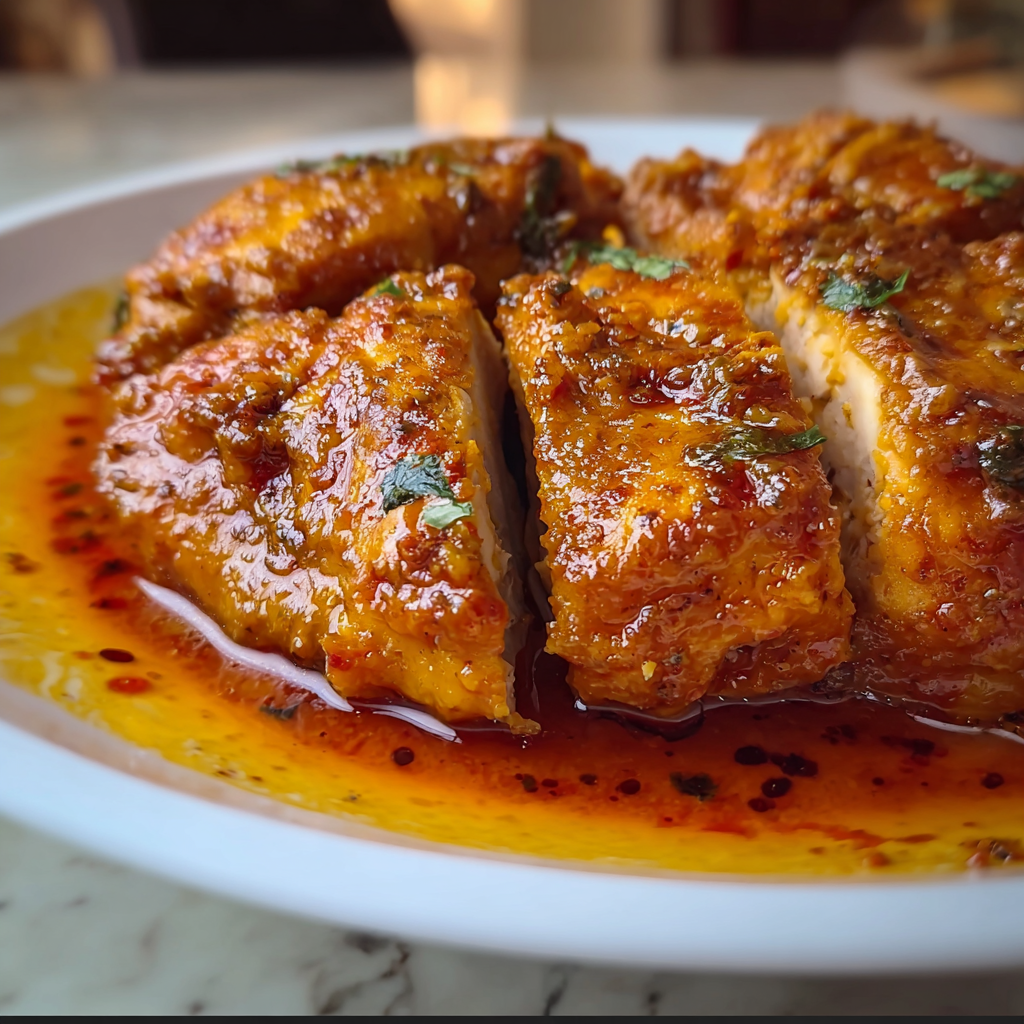
⚠️ Common Mistakes to Avoid
Overcrowding the pan during frying. When too many pieces hit the pan at once, the temperature drops, the chicken releases moisture, and you end up with gray, steamed meat instead of golden, seared pieces. Work in batches and give each piece space to brown properly.
Rushing the onions. Undercooked onions are one of the most common failures in Indian cooking. They should be deeply golden, almost brown at the edges, and sweet-tasting. If they’re still white or pale yellow, keep cooking. This foundation determines whether your curry tastes balanced or one-dimensional.
Boiling after adding dairy. High heat makes yogurt and cream proteins coagulate and separate. Once dairy goes in, keep the heat low and stir continuously. If your sauce looks grainy, you’ve curdled it — there’s no real fix, only prevention.
Skipping the kasoori methi. Those dried fenugreek leaves seem optional until you taste the difference. They add a savory, slightly bitter complexity that rounds out the richness. Crush them between your palms before adding — this releases the essential oils.
Adding garam masala too early. Garam masala is a finishing spice blend. Its volatile compounds dissipate with prolonged cooking. Add it at the end to preserve its aromatic punch.
Variations & Serving Suggestions
Boneless version: Substitute boneless chicken thighs (not breasts — they dry out too quickly) and reduce the simmering time to 12-15 minutes. The sauce won’t have quite the same body, but it’s faster for weeknights.
Lighter adaptation: Skip the final cream and use only yogurt. The texture will be less luxurious but still flavorful. You can also reduce the oil/ghee by half, though you’ll sacrifice some richness.
Spicier version: Increase the Kashmiri chili powder to 2 tablespoons total, or add 1-2 finely chopped green chilies with the ginger-garlic paste. For serious heat, include a diced serrano or Thai chili.
Vegetarian adaptation: Replace chicken with paneer or firm tofu. Skip the frying step — add cubed paneer directly during the final simmer. For a heartier version, add parboiled potatoes or chickpeas.
Serving suggestions: This curry pairs naturally with naan or roomali roti for scooping. Basmati rice works well too — the grains absorb the sauce beautifully. A side of cucumber raita or kachumber salad provides cooling contrast to the rich, spiced gravy. Pickled onions or lime wedges on the table let diners adjust brightness to their taste.
Storage & Reheating Tips
Refrigeration: Store leftovers in an airtight container for 3-4 days. The flavors actually improve overnight as they meld.
Freezing: Freeze for up to 3 months, but be aware that dairy-based sauces can separate slightly upon thawing. For best results, freeze before adding the cream — add fresh cream when reheating.
Reheating: Thaw overnight in the refrigerator if frozen. Reheat gently in a saucepan over low heat, stirring occasionally. Add a splash of water if the sauce has thickened too much. Microwave reheating works in a pinch — heat in 30-second intervals, stirring between each, until steaming hot throughout. Avoid boiling, which will break the sauce’s silky texture.
💡 Pro Tips for the Best Chicken Changezi
Use freshly ground spices. Pre-ground spices lose potency within months. Whole spices toasted and ground fresh deliver significantly more aroma. If that’s not practical, at least check that your ground spices smell potent — if the scent is faint, they’re past their prime.
Make the ginger-garlic paste yourself. Equal parts fresh ginger and garlic, blitzed with a splash of water, keeps in the refrigerator for a week and tastes noticeably better than jarred versions. Add green chilies to the blend if you want consistent heat throughout.
Don’t skip the resting period. After cooking, let the curry rest for 5-10 minutes before serving. The temperature equalizes, the flavors settle, and the sauce thickens slightly. It’s a small step that makes a noticeable difference.
Char the chicken for smokiness. For a more intense flavor, briefly char the marinated chicken pieces over high heat or under a broiler before adding to the sauce. This mimics the tandoor effect common in restaurant preparations.
Adjust consistency at the end. If the sauce is too thick, add warm water a tablespoon at a time. If too thin, simmer uncovered for a few extra minutes. The ideal consistency coats the back of a spoon but still flows.
Frequently Asked Questions (FAQ)
+Why is my Chicken Changezi dry?
Dry chicken usually means overcooking or using breast meat instead of thighs. Bone-in pieces stay juicier because the bone slows heat transfer and the connective tissue breaks down into gelatin. If using boneless meat, check for doneness at 15 minutes and remove from heat as soon as it’s cooked through. Carryover cooking will finish the process.
+Can I make Chicken Changezi without cream?
Yes — substitute with additional yogurt or coconut milk for a lighter version. The texture won’t be quite as velvety, but the flavor remains intact. For a richer alternative without cream, blend soaked cashews into a paste and stir that in during the final minutes.
+How do I know when the chicken is fully cooked?
The most reliable method is an instant-read thermometer: 165°F (74°C) at the thickest part. Without a thermometer, pierce the thickest piece with a knife — the juices should run clear, not pink, and the meat should pull easily from the bone. Visual cues work too: the flesh becomes opaque and firms up.
+Can I skip the marination step?
You can, but you’ll sacrifice flavor depth. The marinade’s acid and enzymes penetrate the meat, seasoning it throughout rather than just on the surface. If you’re short on time, even 30 minutes makes a difference. For the best results, marinate overnight — the extended time allows the flavors to fully develop.
+How long does Chicken Changezi last in the fridge?
Properly stored in an airtight container, it keeps for 3-4 days refrigerated. The flavors often improve on day two as they continue to meld. Reheat gently to avoid breaking the sauce’s texture.
+What should I serve with Chicken Changezi?
Naan or roomali roti are traditional — they’re perfect for scooping up the sauce. Basmati rice works well too. Add a cooling element like cucumber raita or a simple kachumber salad to balance the richness. Pickled onions or lime wedges on the side let diners adjust acidity to their preference.
Chicken Changezi
Ingredients
Method
- Place the chicken pieces in a mixing bowl and add all of the marinade ingredients up to and including the garlic, ginger and chilli paste. Rub the marinade right into the flesh and set aside to marinate for 20 minutes or just go straight to cooking.
- Heat the oil or ghee in a large frying pan that has a lid over a medium-high heat. When visibly hot, add the chicken and fry for about 4 minutes and then turn the pieces to brown the other side.
- Reduce the heat to low and cover the pan and cook for a further 10 minutes or until the chicken is about 80% cooked through. Transfer to a bowl and pour all the juices from the pan over the chicken. Set aside.
- Now let’s make the curry! Heat the oil or ghee in a large frying pan over a medium-high heat. When visibly hot, stir in the chopped onions and ½ teaspoon salt and fry, stirring regularly for about 8 minutes or until they are golden brown in colour.
- Add the garlic, ginger and chilli paste and fry for a further minute. Stir in the ground spices and then pour in about 70ml (1/4 cup) water or stock so that the spices don’t burn and bring to a simmer.
- Now add the passata and bring to a simmer. Cover the pan and continue simmering over a medium heat for about 20 minutes. Your changezi gravy is ready and you could just stir in the yoghurt and cream and add the chicken and salt to taste at this point and enjoy. If you want to make it street food style, however, you have a few more steps.
- In another large frying pan, heat 70ml mustard oil over a medium-high heat. When visibly hot, add the prepared gravy one ladle at a time and let it all come to a simmer. Stir in the yoghurt one tablespoon at a time and then stir in the cream.
- Sprinkle in the garam masala and kasoori methi (dried fenugreek leaves) and season with salt to taste. Stir in the cooked chicken and bring the sauce to a bubbling simmer to heat the chicken through, ensuring the chicken is nicely coated with the sauce and then add all or some garnishes of your choice.
Nutrition
Notes
- To ensure perfectly cooked chicken, aim for an internal temperature of 165°F (74°C) and look for juices that run clear; this will help you avoid dryness.
- When making the gravy, keep an eye on the onions while frying; they should be golden brown but not burnt, as burnt onions can impart a bitter taste to your curry.
- If you prefer a creamier texture, add a little more cream or yogurt to the sauce at the end, but do so gradually to prevent it from curdling.
- This dish can be stored in the fridge for up to 3 days; reheat gently on the stovetop to preserve the sauce's smooth consistency.
- If you're short on time, marinating the chicken for just 30 minutes can still impart great flavor, but for the best results, allow it to sit overnight.